The relief came fast, but so did the bigger questions. After days of concern over two missing Mexican aid boats headed to Cuba, the Navy says both vessels were found, and help was sent to the area. The outcome ended the immediate emergency, yet the incident also showed how quickly a small civilian voyage can become a multinational rescue story in Caribbean waters. For readers following Mexico, Cuba, or regional safety issues, that is where the story now gets deeper.
A humanitarian trip became a rescue story
The disappearance of two Mexican aid boats bound for Cuba stopped being only a humanitarian story once their expected arrival came and went. At that point, the issue was no longer about what the vessels were carrying. It was about whether the people on board could be found safely.
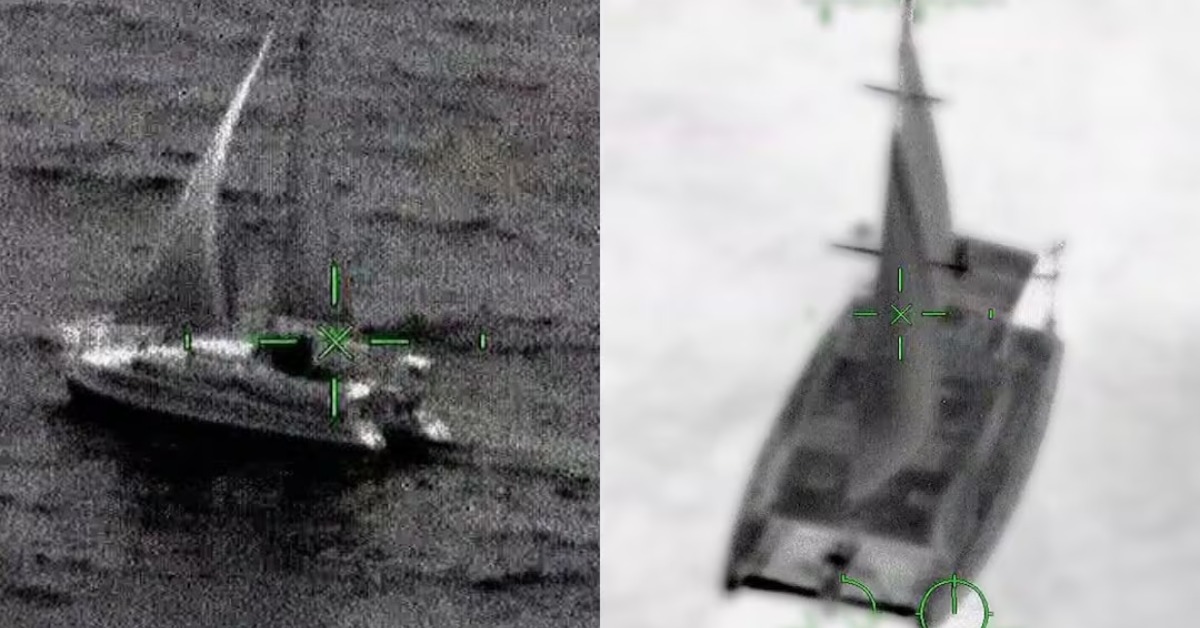
That shift is what made the case resonate so widely. A civilian mission that began as a solidarity voyage from Isla Mujeres turned into a live test of search-and-rescue capacity, cross-border coordination, and maritime safety in the Caribbean. By the time Mexico’s Navy confirmed the boats had been located near Havana, and help was on the way, the incident had already grown beyond a delayed sailing schedule.
The rescue outcome brought relief. It also offered a reminder that even modest sea crossings can become serious emergencies when communication drops and timing slips.
What the Navy’s update changed
The key update was straightforward. Authorities said the two missing vessels were found about 80 nautical miles northwest of Havana, and that all nine people aboard were safe. A Navy vessel was then sent to assist them and help guide the situation toward a controlled ending.
That announcement mattered because it replaced uncertainty with a defined situation. Before the sighting, there were too many unknowns. The crews had not reached Cuba on schedule, the vessels had become the focus of a widening search, and public concern was growing in both Mexico and Cuba.
Once the boats were located, the story changed in tone and in substance. The concern did not disappear, but it narrowed. The question was no longer whether the crews had vanished into a dangerous stretch of sea. The question became how quickly assistance could reach them and what had delayed the crossing in the first place.
Why a short crossing can still turn dangerous
To many readers, the route may appear limited enough to feel manageable. But the Caribbean has a way of punishing that assumption. Small vessels can face changing winds, rougher-than-expected seas, equipment strain, and communication gaps that quickly complicate a passage that looked routine at departure.
That is what gives this case broader relevance. The boats were not crossing an ocean, but they were still operating in open water where navigation depends on constant judgment and where small setbacks can widen into real danger. Even experienced sailors can lose time, drift off expected routes, or face conditions that force changes without giving outside observers a clear picture of what is happening.
For Mexico, this is the kind of case that shows why maritime monitoring matters even when the vessels involved are civilian and the mission itself is not military. Rescue work at sea depends on speed, surveillance, and the ability to turn incomplete information into a workable search pattern.
The mission carried more visibility than an ordinary voyage
These were not anonymous pleasure boats. They were part of the Nuestra América convoy, a civilian effort to deliver humanitarian supplies to Cuba during a period of deep shortages and ongoing blackouts. That alone gave the voyage a public profile larger than most small craft crossings would receive.
The political and humanitarian setting raised the stakes. When vessels tied to a visible aid effort disappear, the concern travels farther and faster. The incident drew attention not just because people were overdue at sea, but because the trip itself symbolized something larger about regional solidarity, Cuba’s fragile supply conditions, and the risks taken by private groups trying to respond.
That background helps explain why the case became an international concern so quickly. The boats were carrying aid, but they were also carrying the expectations of organizers, families, governments, and supporters watching closely from several countries.
What this episode says about Mexico’s regional role
The incident also underscored Mexico’s role in the wider Caribbean. The boats left from Mexican territory, the response came from Mexican authorities, and the public reassurance that ended the most urgent phase came from the Navy.
That matters because it places Mexico in a practical regional position. It is not only a neighbor to Caribbean crises. It is often a departure point, a responder, and a bridge between local emergencies and broader international attention. In this case, the rescue reinforced that role.
For readers living in Mexico, the episode is a reminder that regional stories do not stay neatly offshore. A voyage that begins in Quintana Roo can become a diplomatic, humanitarian, and operational story within days. That is exactly what happened here.
The immediate danger passed, but the lesson remains
The best news is the clearest part of the story. The vessels were found. The crews were reported safe. Help was sent.
Still, the larger lesson should not be missed. Maritime risk does not need a major storm or a dramatic collision to become serious. It can begin with delay, silence, and uncertainty. It can grow because no one on land knows whether a boat is merely behind schedule or in real trouble.
That is why this case matters beyond the rescue itself. It shows how quickly a symbolic mission can depend on hard rescue capacity. It shows how thin the margin can be for small vessels in Caribbean waters. And it shows why the successful location of the boats was not just a comforting update. It was the decisive moment that kept a tense regional story from becoming a tragedy.
Explore More:
Cuba searches for aid boats missing after leaving Mexico