Mexico is turning a series of deaths into a formal dispute with Washington. Officials say 13 Mexican nationals died during U.S. immigration operations or while in ICE custody, and 14 diplomatic protests have already been sent. The latest case sharpened official anger, but the larger story is about detention conditions, enforcement tactics, consular rights, and how far Mexico can go when one of its citizens dies inside another country’s system. What happens next will depend on whether the open investigations produce facts, findings, and consequences.
Mexico turns separate cases into one dispute
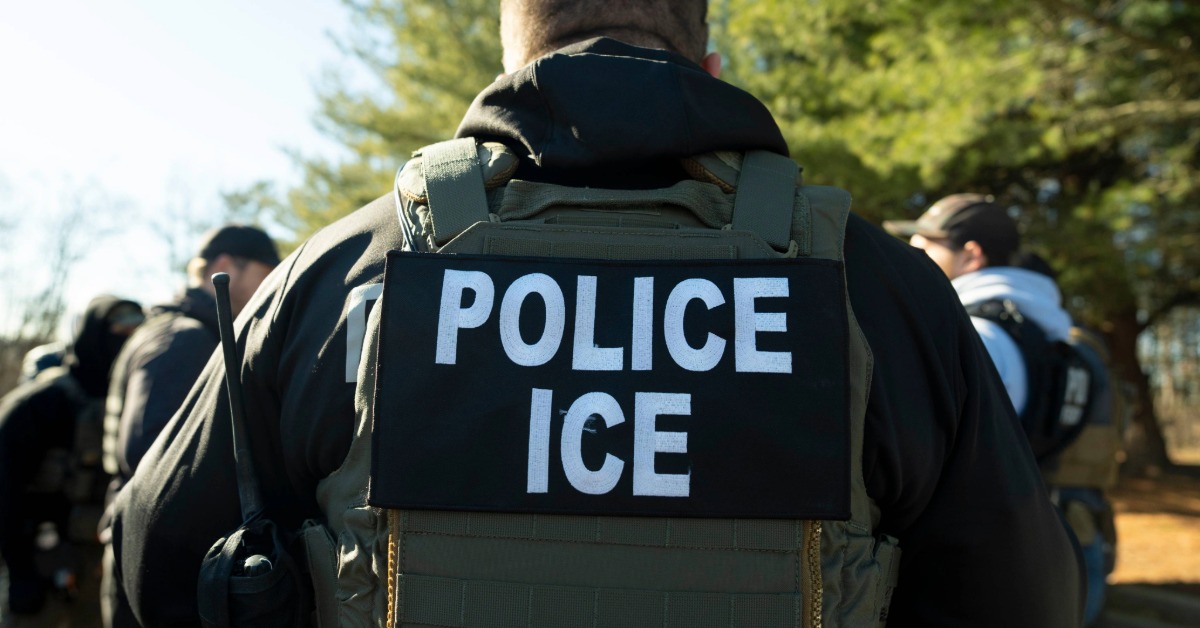
Mexico said Wednesday that 13 Mexican nationals have died in the United States during immigration operations or while in federal detention. Officials were referring to cases involving U.S. Immigration and Customs Enforcement, or ICE. Roberto Velasco, the Foreign Ministry official for North America, said Mexico has sent 14 diplomatic communications to Washington. The purpose is to condemn the cases, demand answers, and keep pressure on U.S. authorities.
The government is no longer presenting these deaths as isolated consular emergencies. It is describing them as a pattern. Officials said the dead were between 19 and 69 years old. Four cases were in California, three in Georgia, two in Arizona, and one each in Texas, Florida, Missouri, and Illinois.
Velasco said there was no single cause across all cases. He described six medical complications. He described four as suicides. Two incidents happened during enforcement operations. One was linked to the Dallas field-office shooting. That breakdown matters. It shows the dispute is not only about what happens inside a detention cell. It also reaches arrests, transfers, medical care, and the use of force.
Mexico says it has already received 12 replies from the U.S. State Department. According to Velasco, those replies said every case is under investigation by ICE’s Office of Professional Responsibility. No final findings have been announced. That leaves the central question unresolved: whether these cases will produce accountability or remain internal files.
Why this goes beyond one detention death
The latest official Mexican statement came after a 19-year-old Mexican died on March 16 at the Glades County Detention Center in Florida. Mexico’s consulate in Miami said it had activated its protocol, visited the facility, requested records, and would use all available diplomatic and legal avenues to assist the family. That case gave the dispute a fresh and concrete face.
It also helps explain how these cases usually unfold. A consulate intervenes. It seeks records and updates. It helps relatives understand the process. It may also assist with lawyers, funeral arrangements, or the return of remains. Mexico said Wednesday that it has offered help in every case.
For international readers, one point is worth keeping clear. Mexico’s figure is not the same as the broader U.S. tally of deaths in immigration detention this year. Reuters reported that at least 13 immigrants of several nationalities died in ICE custody from January through early March 2026, after 31 deaths in 2025. ICE says people in custody receive medical care and safe conditions, and that deaths are investigated. Mexico’s number is narrower by nationality. It is broader in another sense, because it also includes deaths during enforcement actions.
Recent U.S. cases show why that distinction matters. In September 2025, ICE agents fatally shot Silverio Villegas González during a traffic stop near Chicago. Later that month, Mexican immigrant Miguel Angel Garcia died after being wounded in the Dallas ICE field-office shooting. These cases differ in facts and legal posture. From Mexico’s side, however, they still entered the same diplomatic record: a Mexican national died once U.S. immigration enforcement was underway.
What consular protection can and cannot do
Much of the response now falls to consular protection. Under U.S. rules, foreign nationals who are arrested or detained must be informed that they may have their consulate notified. That gives Mexican consulates a formal opening to visit detainees, contact relatives, request documents, and help families seek legal assistance. It also explains why the Foreign Ministry keeps emphasizing its consular network, not just its diplomacy.
That same consular role extends after a death. Mexican consulates can guide families through paperwork, coordinate with funerary services, and help arrange the transfer of remains or ashes to Mexico. Velasco said Mexico has offered repatriation support in all 13 cases. He said $22,288 has been spent in five of them, while some families chose to keep services in the United States.
Still, consular protection has limits. Mexico can protest, document, insist, and follow up. It can raise the political cost of silence. It can help grieving relatives who are often navigating the system from another country. But it cannot run a U.S. investigation, disclose evidence on its own, or decide whether any officer, jail employee, contractor, or agency will face sanctions.
That is why the 14 diplomatic communications matter beyond the number itself. Each one builds a paper trail. Each one tells Washington that Mexico wants more than standard notifications. It wants timelines, findings, and steps that reduce the chance of repetition. Until those investigations end, the number 13 will stand as both a death toll and a test of how much leverage Mexico really has once one of its nationals dies inside the U.S. immigration system.
With information from Consulado General de México en Miami, Secretaría de Relaciones Exteriores