Mexico has dispatched a new shipment of humanitarian food aid to Cuba by sea. Two Navy logistics vessels sailed from Veracruz with 1,193 metric tons onboard. Officials estimate a four-day crossing. The cargo includes staple foods and a smaller portion gathered through a Mexico City collection effort. The move follows an earlier delivery this month. The latest shipment adds new details on what was loaded and how it will be delivered. It also comes amid questions about how Mexico will continue to assist Cuba while managing broader regional pressures.
Shipment departs Veracruz for Cuba
Mexico’s Foreign Ministry said a shipment of 1,193 metric tons of humanitarian aid left the port of Veracruz on Tuesday. The destination is Cuba, and officials have set the departure for February 24, 2026. The cargo is moving by sea aboard two Mexican Navy logistics vessels, the Papaloapan and the Huasteco. Authorities said the food is destined for the civilian population. They estimate the crossing will take about four days, depending on sea conditions and port clearance. The Navy is handling loading, transport, and port operations for the run. Officials said more than 350 naval personnel were assigned to the movement. They also reported the use of a crane and five forklifts for cargo handling. The dispatch adds a large shipment to Mexico’s recent aid moves from the Gulf Coast. For many residents and expats in Mexico, Veracruz is the reference point for these operations. It is where aid is staged, loaded, and sent onward.
Most of the load is concentrated on the Papaloapan. Officials said it is carrying 1,078 tons of basic foods, mainly beans and powdered milk. The Huasteco is transporting the remaining 115 tons. That includes 92 tons of beans and 23 tons of assorted foods. Combined, beans and powdered milk account for 1,170 tons of the cargo. In official Spanish-language statements, the unit is toneladas, which refers to metric tons. For scale, 1,193 metric tons equals about 1.19 million kilograms of provisions. Authorities said the supplies are intended for civilian use. They said the 23-ton segment was provided by social organizations, with support from the Mexico City government. The items were gathered through a collection center set up in the capital’s Historic Center. The Foreign Ministry described the shipment from that site as a first delivery. Officials did not publish a detailed inventory by product type or a public unloading schedule in Cuba.
How the delivery is expected to unfold
Based on the government’s estimate, the vessels could reach Cuban ports around February 28, after roughly four days at sea. Any arrival date can shift with weather, navigation, and port clearance. The Foreign Ministry did not name the receiving agency or the exact port in its public note. Mexican officials said Navy personnel will assist with embarkation and disembarkation operations. They also cited a crane and five forklifts used for cargo maneuvers. Earlier this month, two Mexican-flagged ships arrived in Havana on February 12 carrying more than 814 tons of aid. That delivery included liquid and powdered milk, meat products, cookies, rice, beans, tuna, sardines, vegetable oil, and hygiene items. The new sailing is larger by weight and is more narrowly focused on staple foods. For expats following regional logistics, the repeated use of Veracruz and Navy vessels shows a consistent supply route. The next step will be unloading and distribution on the Cuban side, which has not been set out publicly.
Context for Mexico’s broader Cuba support
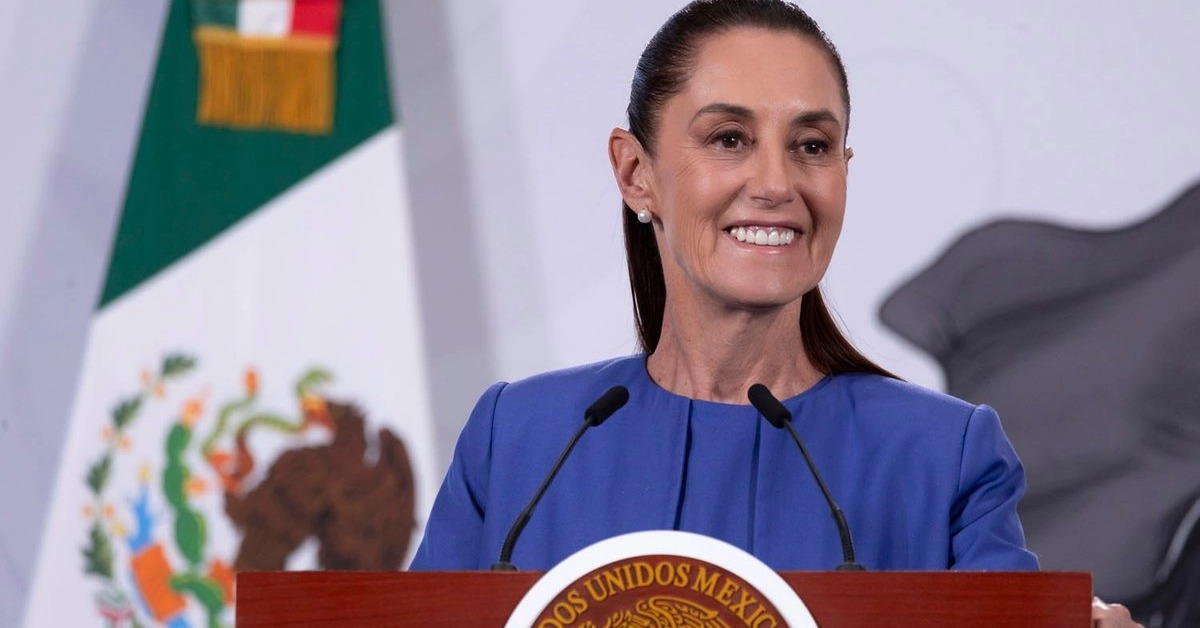
The latest shipment arrives amid ongoing scrutiny of energy trade with Cuba. In mid-January, Mexico halted shipments of crude and refined products to the island amid the risk of US tariffs. Washington had threatened tariffs on countries that supply oil to Cuba, citing national security. President Claudia Sheinbaum has said her administration is pursuing diplomatic options to resume fuel shipments. She has also said Mexico wants to avoid sanctions. In that context, the Veracruz sailing focuses on food aid rather than fuel. The Foreign Ministry has described the sailing as assistance for the civilian population. It has also pointed to Mexico’s tradition of regional aid. For readers living in Mexico, the immediate facts are logistical and verifiable. They include two Navy ships, a stated weight, and a defined departure point. Officials have not said whether another sailing is already scheduled. Less clear are the follow-through details, including arrival updates and distribution in Cuba.
With information from Secretaría de Relaciones Exteriores, El Sol de México, El Economista, Milenio, Reuters