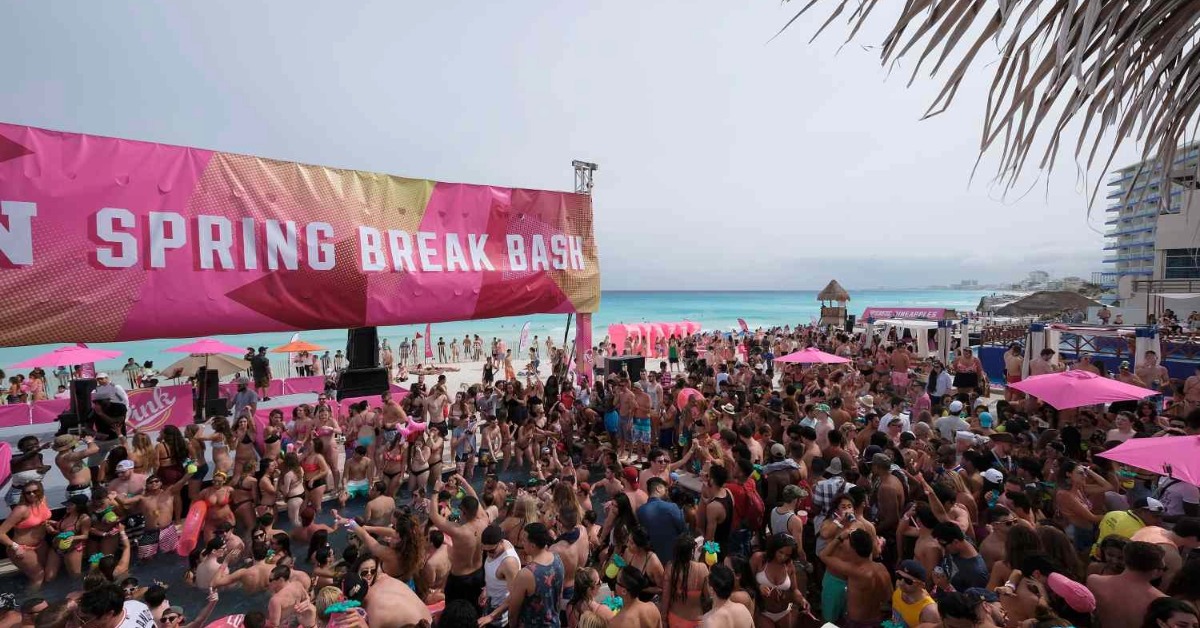

Mexico posted a strong tourism headline to start 2026, with international arrivals climbing in January. But the money side of the report was less convincing. Visitor spending increased, yet average spending per traveler moved lower, raising a harder question for the months ahead. The data also arrived with a built-in limitation. It reflects conditions before the violence on February 22, meaning the next tourism reports will matter more than this one in judging whether confidence was maintained.
More tourists came to Mexico, but they spent less on average
Mexico began 2026 with a strong increase in international visitors, but the details show a more mixed picture for the tourism economy. National data show the country received 8.84 million international visitors in January, up 10 percent from the same month last year. That is a solid gain and suggests demand for Mexico remained strong at the start of the year. Yet the spending figures tell a less direct story. Total visitor spending rose to $3.48 billion, but average spending per traveler fell 5.5 percent to $393.40.
That split matters because the tourism sector does not run on arrival numbers alone. Airlines, hotels, restaurants, tour companies, and local businesses all benefit most when travelers stay longer and spend more. A rise in total visitors can still leave a weaker impression on the ground if the average trip generates less revenue. For a country that depends heavily on tourism income in many regions, January’s data suggest that traffic grew more than value.
The headline looks strong, but the quality of growth matters
The January report shows that volume increased faster than revenue per visitor. That does not erase the gains. It does change how they should be read. Mexico welcomed more people, but the increase did not translate into equally strong per-person spending. Some of that may reflect the mix of travelers. The report includes both tourists who stayed at least one night and excursionists who entered without an overnight stay. Shorter visits can lift the headline count while pulling down average spending.
For businesses and local governments, that difference matters. A beach city, border economy, or cultural destination may feel a tourism surge differently depending on the kind of traveler arriving. More movement across the border or more short trips can still be positive, but they do not always deliver the same economic impact as longer leisure stays. That is why January’s numbers should be seen as encouraging, but not complete. The report shows demand held up. It does not prove that tourism earnings are growing at the same pace.
February 22 changed the context around the tourism outlook
There is also an important caveat. This report covers January, so it was compiled before the wave of violence on February 22 that hit parts of western Mexico and triggered travel concerns. Because of that timing, the data offer no indication of whether those events changed traveler behavior. They show how the sector was performing before the disruption, not after it.
That makes the next releases more important than usual. February figures may capture only limited effects, depending on how much disruption reached bookings and movement in the final days of the month. March tourism numbers will be more significant. They should give a clearer signal about whether the violence caused a temporary shock or a broader confidence problem. If arrivals remain solid and spending improves, the January slowdown in average spending may look like a normal fluctuation. If bookings weaken or spending stays soft, this report may come to look like the high point before a more cautious stretch.
What this means for Mexico’s tourism sector now
The most useful reading of January is that Mexico still attracted travelers, but the sector did not see the same spending strength that the arrival numbers suggest. That does not point to a downturn by itself. It points to a need for caution in how the data are framed. The country opened the year with healthy visitor demand, but the economic return per traveler moved in the wrong direction.
For readers watching Mexico through the lens of business, local economies, and travel confidence, that is the real story. The industry is not judged only by how many people arrive. It is judged by whether those travelers keep spending, whether they stay longer, and whether outside events begin to change their behavior. January provided a strong headline. The next two months should tell us whether that strength has real staying power.
With information from INEGI, Secretaría de Turismo