Mexico’s security cabinet says Sunday’s cartel roadblocks have been cleared, and officials describe Monday as a return to normal activity. The change follows fires, highway closures, and attacks after the operation that killed CJNG leader Nemesio Oseguera. Authorities say circulation has resumed on major routes. A federal command response remains in place while cities, travelers, and businesses work through delays. Roads are open again, but security operations and transport adjustments continue. Officials now emphasize restored mobility and coordination.
Roads reopen but the security response stays in place
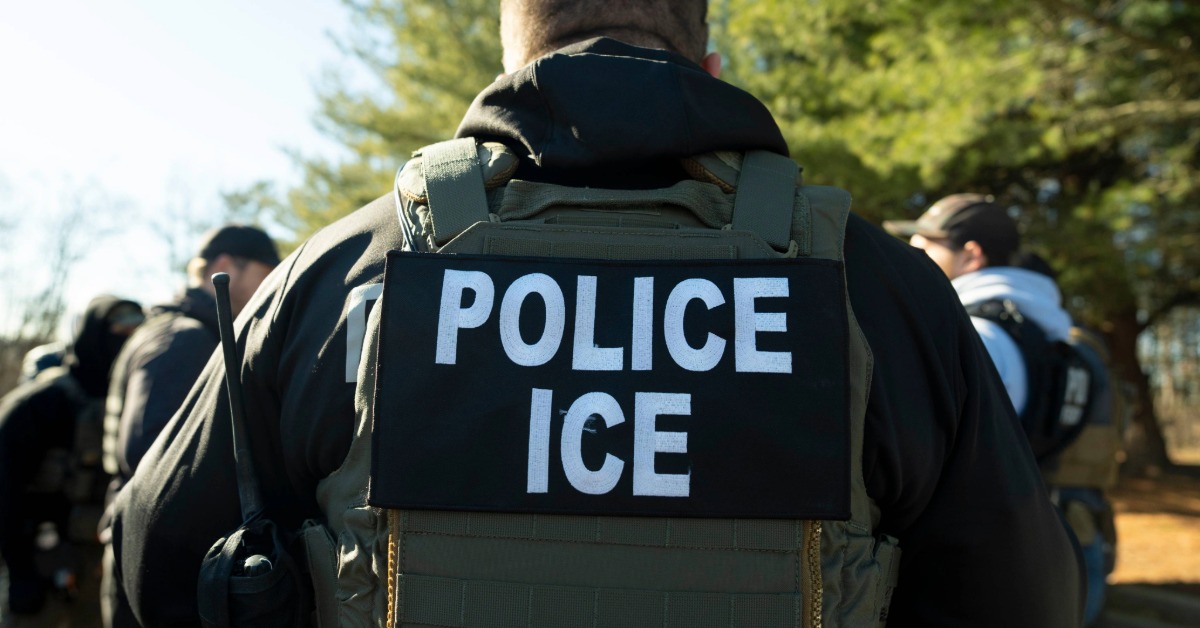
Mexican officials said Monday morning that highway blockades linked to Sunday’s CJNG retaliation had been removed. That marks a sharp change from the previous day’s disruptions. The public message focused on restored circulation and resumed activity. Still, the federal response did not end when roads reopened. Security officials said a national command structure remains active. Military and civilian agencies are still coordinating with state authorities. That matters for residents and expats watching conditions hour by hour. Road access is reopening, but security operations are still being managed in real time. After a day of fires, attacks, and closures, the government is trying to shift the message toward recovery. The practical takeaway for Monday is simple. Major routes are open again, but a visible security presence is likely to continue in affected areas. Local conditions can still vary by city, corridor, and checkpoint. Authorities are still urging people to rely on official updates and avoid rumors.
The Monday update built on a late Sunday picture that was still uneven. Federal reporting cited hundreds of blockades and related obstructions after the military operation in Tapalpa, Jalisco. That was the operation where Nemesio Oseguera was killed. By Sunday night, authorities said most closures had already been removed. Some routes in Jalisco were still active or partially affected at that point. This timeline explains why Monday officials spoke about normality returning. They were not saying the security response had ended. For many people, especially in tourism corridors, that distinction matters. Roads can reopen before flights, buses, and store operations fully stabilize. Some transport delays may continue today, even after the last formal blockade is cleared. That is common after a security shock that also disrupted airports and freight movement. Sunday night reports still described remaining closures and partial shutdowns in parts of Jalisco. Authorities continued local operations overnight. Nationwide.
What Harfuch reported in the federal briefing
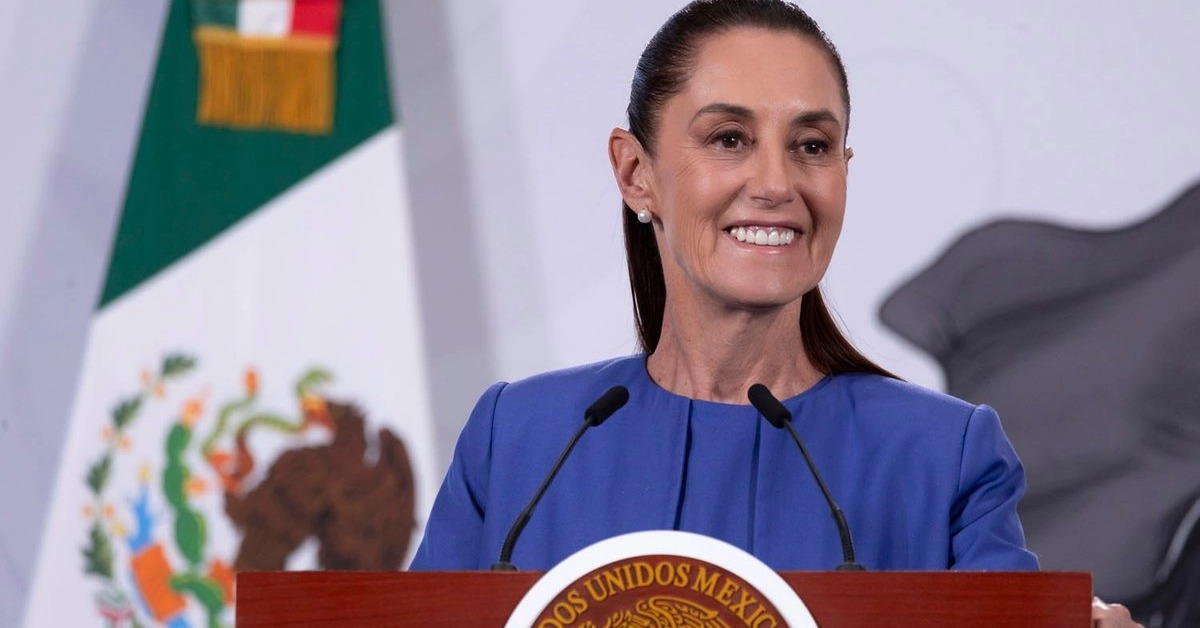
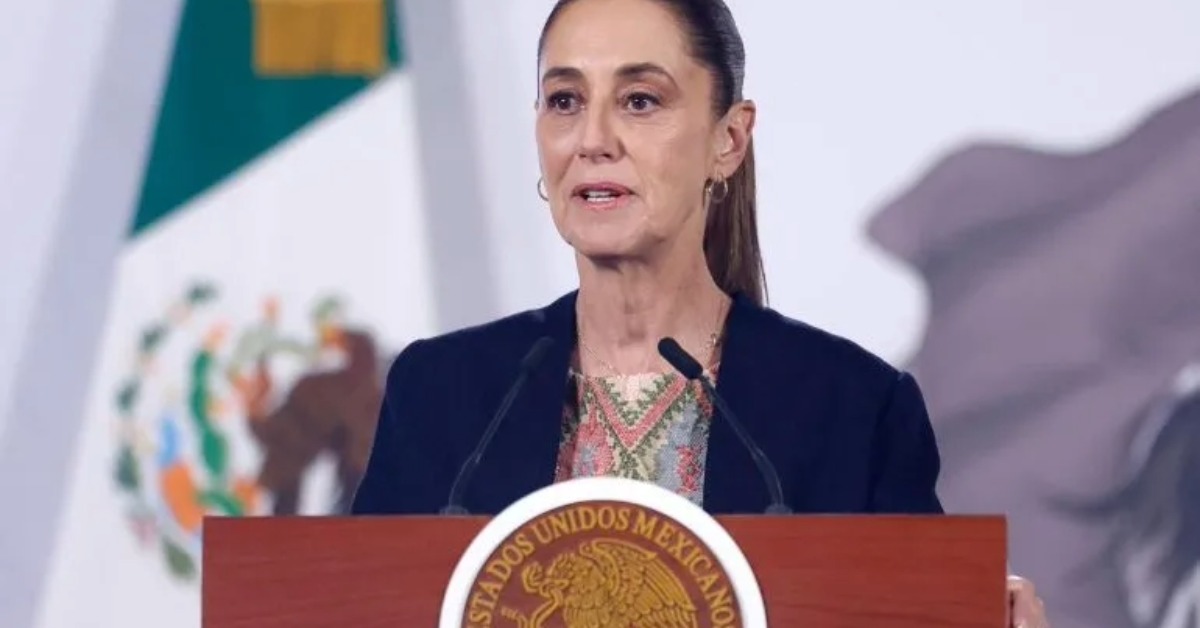
During the morning security briefing, Omar García Harfuch said authorities were reporting no active highway blockades on Monday. He also outlined the scale of the violence that followed the operation. According to the figures presented, authorities counted 85 federal highway blockades across multiple states. He said Jalisco recorded the highest number of federal road incidents. Harfuch also reported 70 detainees in seven states. He described 27 attacks against authorities tied to the fallout. Officials also reported heavy losses among security personnel and additional deaths among suspected cartel members. The federal presentation said the incidents included vehicle burnings and attacks on businesses, gas stations, and security personnel. President Claudia Sheinbaum reinforced the same message at the start of her conference. She said the country had awakened without highway blockades and that activity was largely restored. Together, the statements were meant to show restored road control and ongoing national coordination. The briefing framed the road reopening as the result of coordinated federal and state deployments.
What this means for travel and daily activity today
For expats, travelers, and businesses, Monday’s update reduces immediate uncertainty but does not remove the need for caution. The biggest change is mobility across affected regions. Federal officials now say the highway blockades are no longer active. That should ease long-distance travel and commercial deliveries. Even so, short-term disruptions often linger after a security crisis. That is especially true when roads were blocked by burned vehicles. Airlines, bus lines, and local operators may still adjust schedules today. Some services were suspended or delayed on Sunday. Businesses in affected corridors may also reopen in stages. Staffing, supply arrivals, and local checks can slow that process. Travelers should confirm departure times and routes before leaving. The broader message from Mexico City is that normal traffic has returned, but the country remains on alert. In affected cities, patrols and checkpoints may remain part of the normal commute for now. That can affect travel times even after roads reopen.