Mexico and the U.S. have started a 60-day action plan on critical minerals. Mexican industry estimates point to more than $43 billion in potential investment. The plan looks beyond mining to processing and manufacturing. One idea is minimum import prices for selected minerals at the border. That could change how supply contracts are priced. The next step is choosing which minerals and projects get policy support. Investors will also watch for clarity on permitting and security conditions in Mexico. Those details will decide whether the headline numbers turn into builds.
What the action plan is trying to do
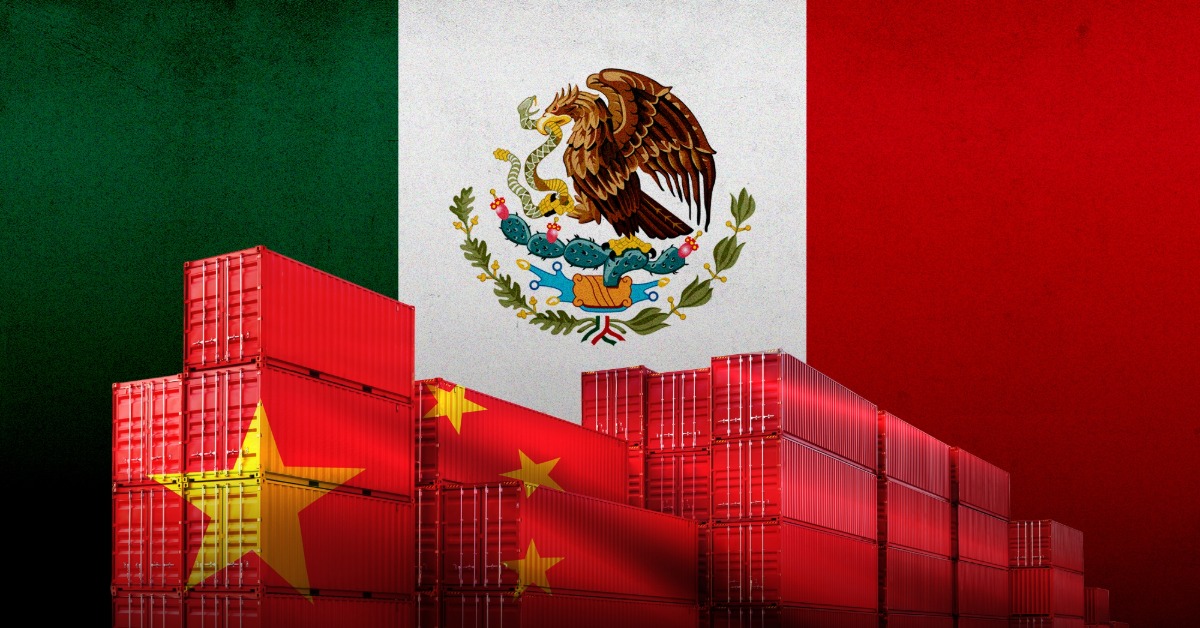
Mexico and the United States have launched a 60-day action plan on critical minerals. The goal is to create tighter North American supply chains. The framework asks both governments to align trade tools and then pick projects to support. One proposal is border-adjusted price floors for selected mineral imports. The intent is to reduce market distortions and abrupt undercutting. The plan also calls for talks on a broader, multi-country agreement. That deal could set shared rules for trade, standards, and investment screening. The scope goes beyond mining alone. It includes processing, manufacturing, research, and coordinated stockpiling. It also includes rapid-response steps for supply disruptions. Another element is closer geological mapping and information sharing. Officials also plan to share survey data on potential deposits. This can accelerate early-stage exploration targeting. The work is led by the U.S. Trade Representative and Mexico’s Economy Ministry. Early outputs are expected within the 60-day window.
Why critical minerals are now a trade priority
Critical minerals are materials essential to modern industry and national security. Their supply chains can be disrupted by trade shocks or concentration. Many are used in batteries, power grids, wind turbines, and semiconductors. Some are also used in defense systems. The pressure point is often processing, not mining. Refining and advanced materials are concentrated in a small set of countries. China is a dominant refiner for many key inputs. Export controls and price volatility have increased attention to diversification. In the United States, official critical-mineral lists have expanded in recent years. That signals a wider definition of supply risk. Mexico is relevant because it has an established mining sector. It is also integrated into North American manufacturing. For readers in Mexico, the debate can affect plant location decisions. Automakers and electronics firms are major downstream buyers. Battery makers watch supply contracts closely. The issue can also affect manufacturers’ prices and availability.
Where the investment case could concentrate in Mexico
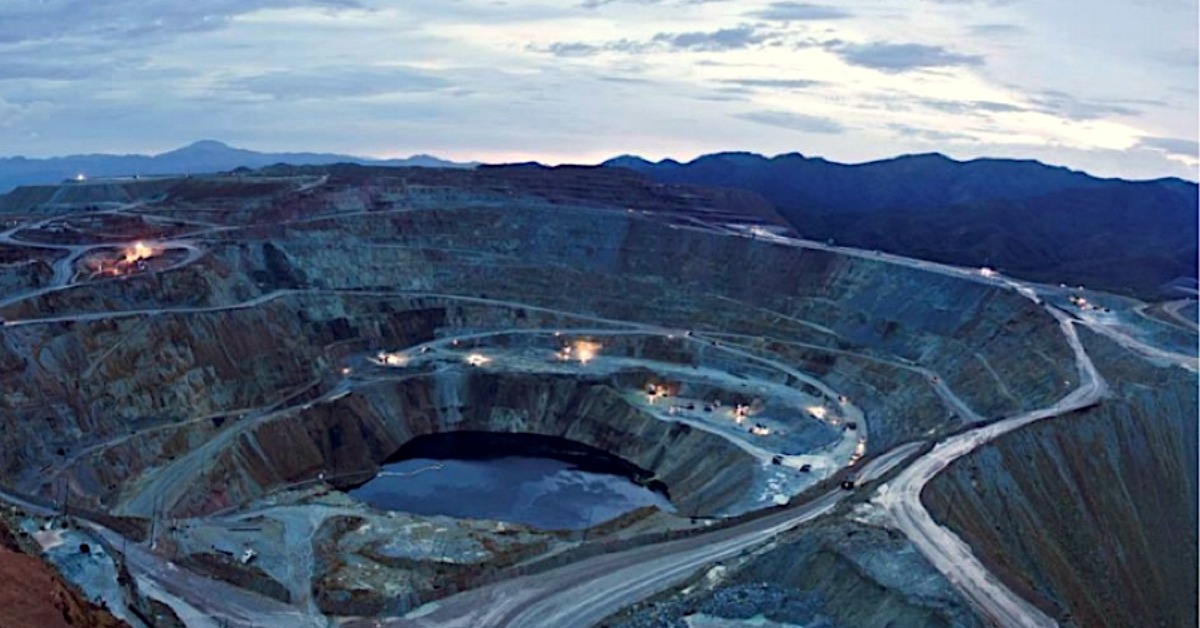
Mexican mining industry estimates linked to the action plan point to potential investment of more than $43 billion over six years. The figure covers exploration, new mines, expansions, and supporting infrastructure. The larger gains depend on keeping more value in the region after extraction. That requires processing plants and specialty chemical steps. It also requires manufacturing that feeds battery and magnet supply chains. Mexico’s advantage lies in its proximity to existing industrial corridors and export routes. Supporters say formal mining activity already reaches hundreds of communities. That reach can shape local employment and public revenues. The scale of new projects still depends on approvals and social requirements. Predictable timelines matter for financing. Policy support can also shift investor appetite at the margin. A strategy that stops at mining leaves exposure to global refining bottlenecks. A strategy that adds processing raises capital needs and power demand. It also increases scrutiny over water use and waste management.
Constraints that could slow the timeline
Even with policy support, new supply chains take time to build. A project can take years to explore, conduct studies, and obtain permits. Bringing a deposit from discovery to production can take a decade or more. Processing adds more steps, equipment, and compliance demands. Industry groups in Mexico have tied investment to legal certainty and clear procedures. They also point to security conditions in some mining regions. Another recurring issue is exploration activity, which depends on permits and access. Financing can stall when rules change midstream. On the U.S. side, price floors would need careful design. They could affect costs if set too high. They could also trigger disputes under trade rules. Capacity can also be a constraint. Skilled labor, power supply, and transport can become bottlenecks. Environmental assessments can extend schedules. Community consultation can also reshape project design and timing. Remediation and monitoring obligations can affect costs over decades.
What to watch in the next 60 days
The 60-day calendar puts weight on concrete choices. One signal will be which minerals are prioritized and why. Another will be which projects are named for support. That could include mining, processing, or manufacturing in either country. It could also include projects in third countries. A third issue is how border adjustments would be measured and enforced. The price-floor idea needs clear definitions and monitoring. The first project list may come quickly. A fourth question is how this effort fits with the coming joint review of the North American trade agreement. It will also matter whether other partners are invited into a wider framework. For Mexico-based readers, early changes may be modest. Companies may announce studies, permits, or site selections. The exploration activity can pick up before construction begins. Financing terms and offtake agreements may surface later. Larger effects depend on buildouts and commissioning. Those steps move on engineering schedules, not diplomatic ones.
With information from El Financiero, U.S. Trade Representative, U.S.–Mexico Critical Minerals Action Plan, Reuters