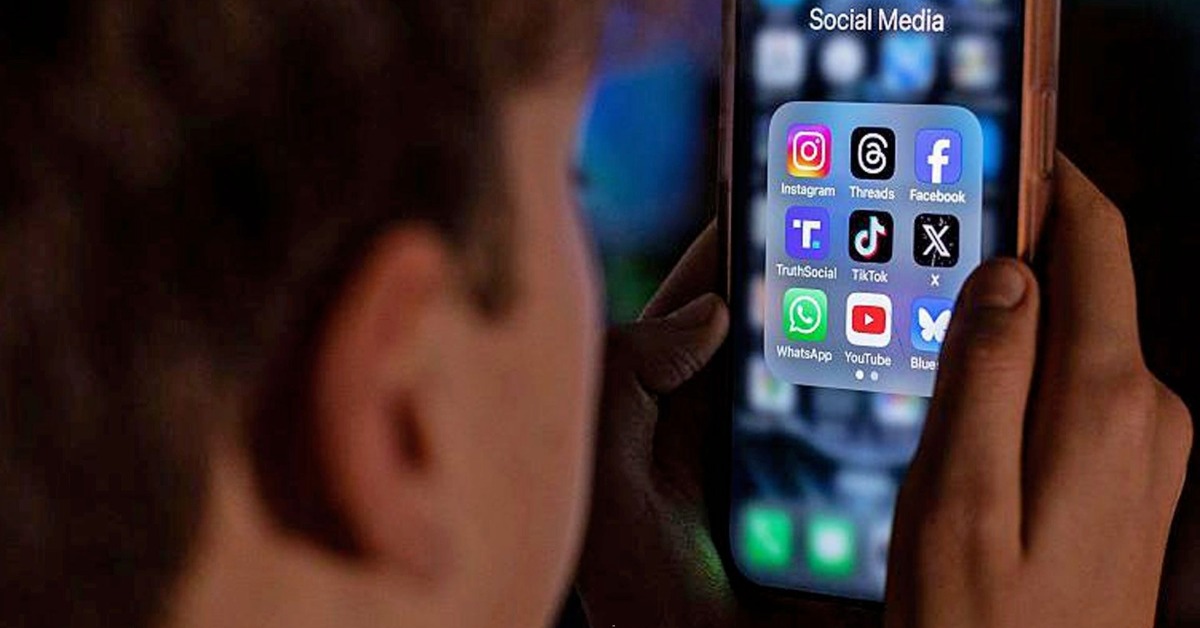
Mexico is opening a national debate over whether children and teens should face tighter limits on social media. No law has been unveiled, and no age rule has been set. Still, the discussion has moved beyond general concern and into active policy talks. Officials say the issue involves mental health, cyberbullying, and exposure to harmful content. What comes next could affect families, schools, and tech platforms across the country.
A consultation, not a final rule
Mexico is considering possible limits on social media access for minors, but no final policy has been adopted yet. What exists today is a consultation process led by the Education Ministry. Officials say that the process should produce proposals by June.
That distinction matters. There is no draft law in force, no new national age cutoff, and no immediate change for families in Mexico. At this stage, the government is studying options and asking what kind of response would make sense.
Mario Delgado, Mexico’s public education secretary, has presented the issue as a matter of public protection. He argues that children are entering online spaces that are difficult for parents, schools, and authorities to supervise. He has also said that any limits should come from public discussion, not simply from a top-down order. In his telling, parents, teachers, and communities should help define both the rules and the way those rules would work.
Why officials say the issue needs action
The concern inside government goes well beyond screen time. Delgado has pointed to violent content, pornographic material, and cyberbullying as risks children and teenagers can face on major platforms. He has linked that exposure to broader concerns about mental health and the emotional effects of constant digital engagement.
The current debate also grew out of a wider SEP conversation about technology, learning, and youth wellbeing. Earlier this month, the ministry opened a national forum with specialists and UNESCO participation to examine how digital tools affect education and mental health. That forum was broader than social media alone. Even so, it helps explain why the government now appears more willing to discuss limits that would have seemed unlikely a few years ago.
For readers in Mexico, the main takeaway is that this is no longer a side conversation. It is becoming a real policy question. The government is treating classroom devices, online platforms, and youth mental health as connected issues, even if each one may end up with a different solution.
The global trend behind the debate
Mexico is not moving in isolation. Australia has already adopted a model requiring platforms to prevent under-16s from creating accounts. In France, the lower house approved a bill to ban social media for children under 15, though it still needs further approval before becoming law. Other countries are weighing similar restrictions.
That global backdrop matters because it gives Mexico examples to study. It also shows how difficult the issue can be in practice. Even now, major platforms generally say users must be at least 13 to sign up. Yet younger children still get on. That gap is one reason the debate has shifted toward age verification, platform responsibility, and whether companies should carry more of the burden.
Mexico has not said it will copy another country’s model. It has also not announced whether any future plans would focus on age checks, school rules, parental consent, platform design, or some mix of those. That uncertainty is important. The discussion is active, but the shape of the response remains open.
What to watch next
The next key point is June. That is when the current consultation is expected to produce proposals. Those proposals could lead to legislation, school-level guidance, platform rules, or a lighter regulatory framework. They could also narrow the debate rather than expand it.
For now, the safest way to frame the story is this: Mexico is exploring restrictions, not imposing them yet. The issue has moved from concern to consultation, and that alone marks a significant shift. Whether it ends in a firm legal limit will depend on what the government hears from families, educators, and other participants in the months ahead.