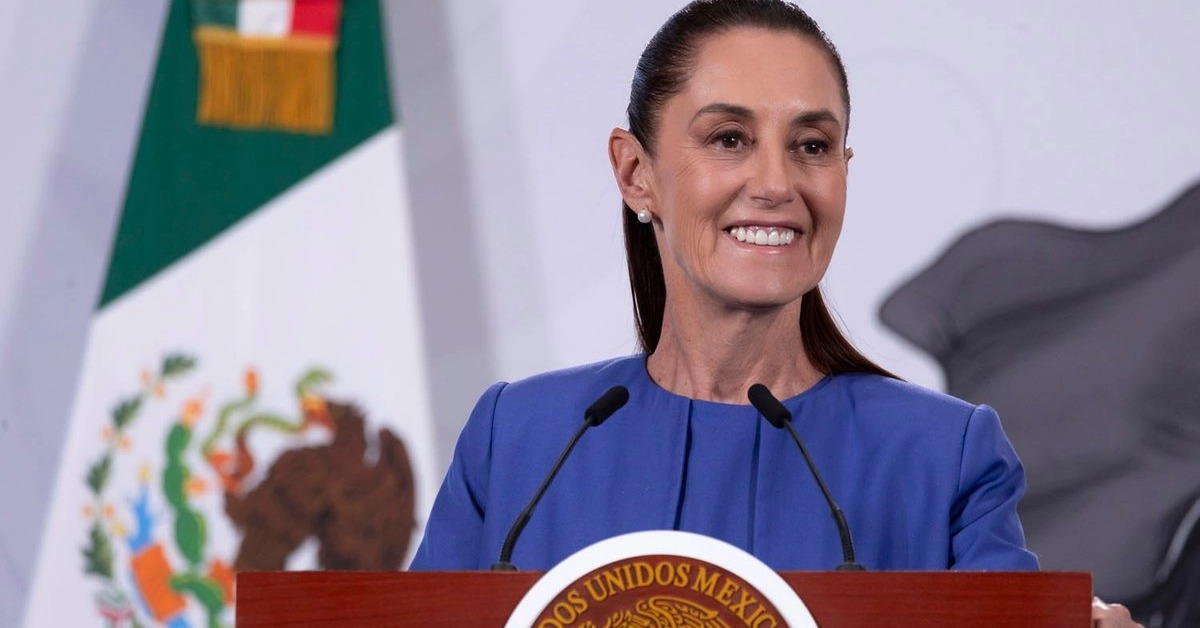
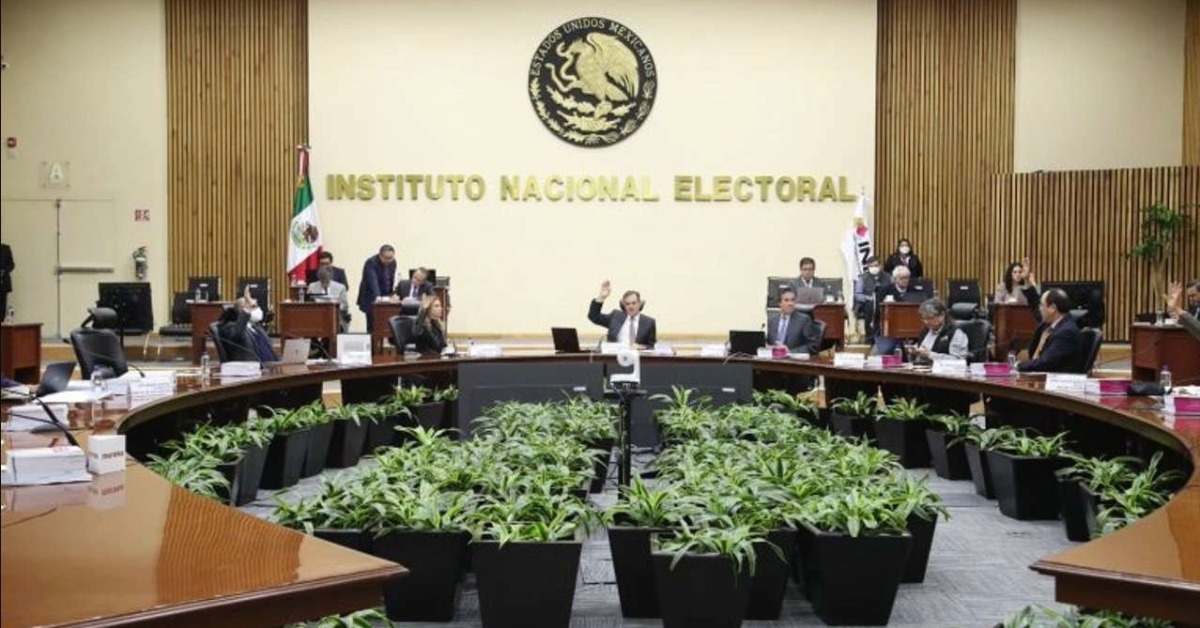
President Claudia Sheinbaum is pushing ahead with an electoral reform plan after a brief delay for edits. Allies have not given final buy‑in, and some details may shift before the text reaches Congress. What is clear is the direction: lower costs, different rules for proportional representation, and possible new tools to address online misinformation and AI-generated content. Before you treat it as progress or rollback, there are ten questions that travel across any country’s reform fight.
What is happening this week
President Claudia Sheinbaum is moving ahead with a new electoral reform after a brief delay for edits. She has signaled she will not wait for full buy‑in from allied parties, including the PT and the PVEM. The outline so far targets election costs, party financing, and how Congress assigns proportional representation seats. In Mexico, plurinominal seats are held by lawmakers chosen through party‑list formulas. One proposed change would require those candidates to seek votes directly, rather than arrive through closed lists. Other elements discussed include cuts to public funding for parties. There has also been talk of changing the size or makeup of Congress. Another floated component is giving the INE the power to respond quickly to misinformation in campaigns. Some versions mention removing content deemed false or AI‑generated in near real time. Officials also point to tighter campaign finance oversight, aimed at blocking illicit money. The legislative text will matter most, and it may still change before filing. For expats living in Mexico, the impact is indirect but real, because these rules shape legitimacy and stability.
Why the rules matter more than the slogans
Electoral rules are the operating system of a democracy. They decide who counts votes, who pays for campaigns, and how seats translate from ballots. That is why reforms can be popular across camps, and still carry major design tradeoffs. Mexico’s system relies on the INE for national elections and on local authorities for state contests. Autonomy and capacity are not abstract goals in that setup. They shape whether rules are applied evenly, even when the race is close. Cost‑cutting can be legitimate, but it can also lead to reduced staffing, monitoring, and voter services. Changing proportional representation can broaden accountability, or shrink pluralism, depending on details. New powers against misinformation can protect voters, or chill debate, depending on guardrails. For many expats, the issue arises in daily life, not at the ballot box. Election credibility affects policy continuity, public trust, and the level of political conflict. So the useful question is not who “wins” the reform today, but how it changes incentives for tomorrow.
Ten questions to ask before choosing a side
Start with independence, because everything else depends on it. Does the reform strengthen or weaken autonomous election administration? That question is about who controls the referee. Who appoints and removes the officials who run elections? That is where autonomy can change quietly. Does it change budgets or staffing in ways that cut capacity mid‑cycle? Does it change how proportional representation works and how minority votes become seats? Does it tilt the playing field for big and small parties, or for independents? These questions are not ideological. They are about incentives and day‑to‑day administration. In Mexico, smaller parties often rely on public funding and coalition leverage. Proportional seats also shape how diverse voices enter Congress. If list seats require campaigning, candidates will need money and airtime. That can raise entry costs for activists and local leaders. If public funding drops, oversight may need to rise, not fall. Otherwise, private money can fill gaps in ways voters cannot see. A reform can seek to save money while still protecting pluralism. It can also weaken pluralism without stating that goal.
Next comes enforceability, where good intentions meet hard cases. Who enforces the new rules, and what guardrails limit discretion? What appeals exist, and can they work on campaign time? How is misinformation defined, and who decides under tight deadlines? If the INE can request removals in real time, what evidence standard applies? What transition plan and timeline prevent chaos or selective enforcement? If the goal is to address AI‑generated content, disclosure labels may matter as much as takedowns. Speed matters because decisions made in hours can shape a whole campaign. In practice, new enforcement powers change political behavior. Parties can flood the system with complaints to slow opponents. Platforms may remove content broadly to avoid risk. That can restrict lawful speech and weaken scrutiny of candidates. Clear definitions, transparency reporting, and judicial review reduce that risk. So does adequate staffing and technical capacity during campaigns. Mexico has also faced coordinated false narratives around public security events. Elections can amplify those narratives, especially online.
Applying the questions to Sheinbaum’s plan
Applied to the current proposal, the independence test starts with capacity. The package is framed around cost reductions, but elections are labor‑heavy and time‑bound. Some outlines describe reorganizing parts of the INE and local electoral bodies to save money. If that means fewer district structures or fewer staff, the risk is slower response and weaker oversight. That risk grows as Mexico heads into complex 2026–2027 cycles, including legislative races and judicial elections. On fairness, the center of gravity is the future of plurinominal seats. Plans discussed so far keep the idea of proportional seats, but change how names reach the ballot. An “open list” model would shift power away from party leadership and toward voters. It could also reward candidates with money, media access, or strong local networks. Separately, cuts to public party funding would hit smaller parties harder than major blocs. That helps explain why coalition partners have hesitated, even as they support other government priorities.
On enforceability, the most contested element is the idea of faster action against misinformation and AI‑generated content during campaigns. Supporters frame it as voter protection in an online environment that moves by the minute. Critics worry about overreach, because “false” is not always easy to define in real time. A workable design usually separates clear fraud from political argument. It can focus on disclosure of synthetic media and on time‑sensitive harms, such as fake voting dates or locations. It also needs fast, written orders and a real appeals path before election day. Meanwhile, stronger campaign finance oversight is being presented as a core goal. That is hard to square with large cuts, because monitoring events and social media takes up people’s time. The immediate political test is numbers in Congress, since coalition allies have not fully signed on. The practical test is timing, because rules need a stable lead time before the 2027 federal cycle. For expats, the outcome affects the information ecosystem they live in and may also affect voting access for Mexicans abroad.
With information from Diario Oficial de la Federación, Instituto Nacional Electoral