Mexico is exporting more high-value farm goods than it consumes. Yet it is leaning harder on imports for the grains that anchor daily meals. Projections for 2026 suggest the gap will widen again in corn, wheat, and rice. That shift reaches beyond the countryside. It can make grocery prices more sensitive to the exchange rate and global grain markets. The key question is why staples lag as export crops thrive. Another is what early warning signs to watch for before costs show up at checkout.
Staple grains drive the slide
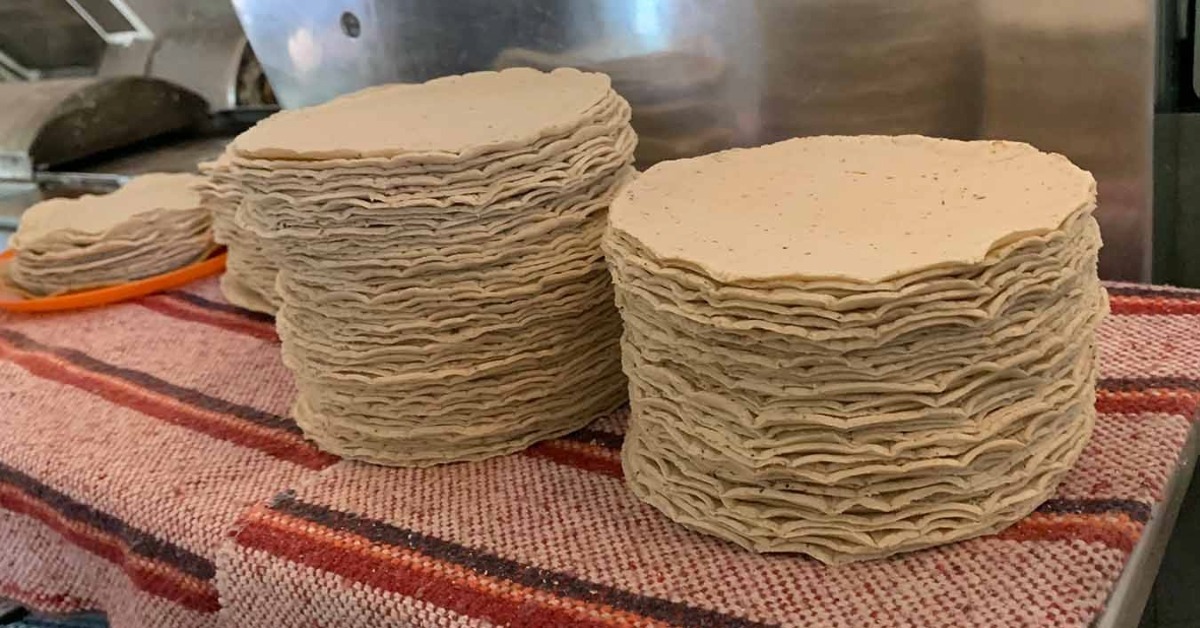
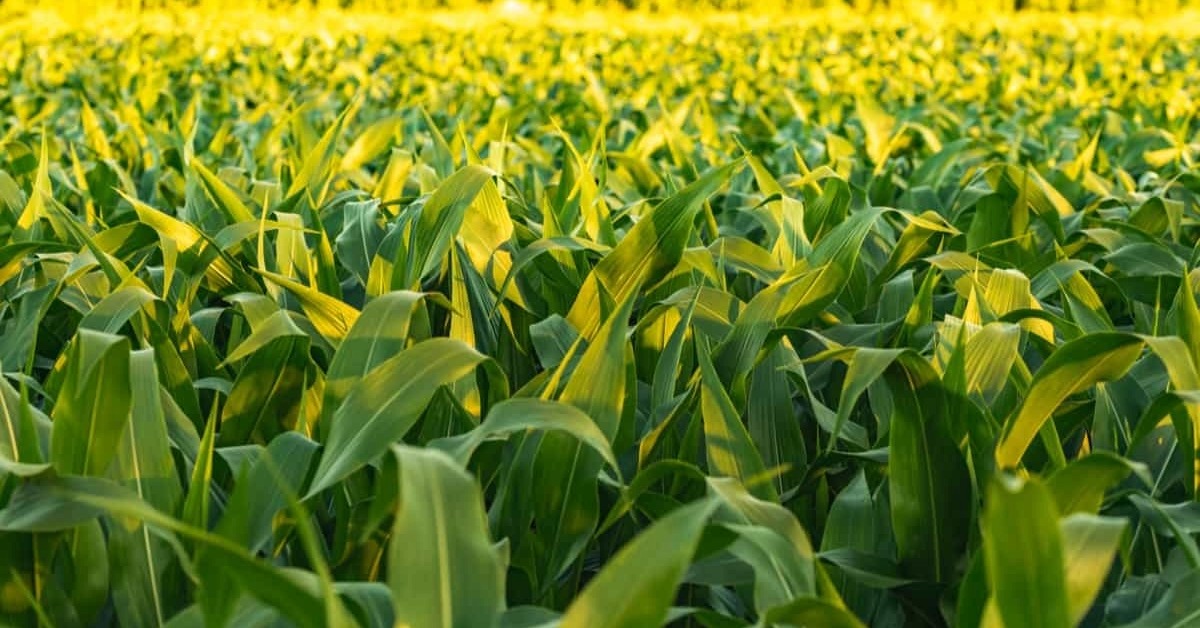
Mexico is expected to meet a smaller share of its own food demand with national production in 2026. The steepest drop is projected in staple grains that sit under everyday diets and livestock feed. Food self-sufficiency is a ratio, not a slogan. It measures how much of what the country consumes can be supplied by domestic harvests, after accounting for total demand. Estimates based on official production and customs figures put corn self-sufficiency at about 44% by the end of 2026, down from 53% in 2018. Wheat shows a similar slide, falling from 42% to 28% over the same period. These are strategic crops because they anchor calories and feed costs. The change does not mean shelves go empty. It means the country increasingly fills the gap with imports. It also means Mexico’s food supply becomes more exposed to global prices, shipping costs, and the peso’s exchange rate.
Other grains show the same direction, even when the pace differs. Sorghum is projected to cover about 84% of domestic demand in 2026, down from 96% in 2018. Beans are expected to cover around 85%, down from 95%. Rice remains the most import-dependent staple, with production projected to cover only about 20% of demand in 2026. These percentages matter because they translate into purchase orders at ports and border crossings. Grain demand is not only for household consumption. It includes industrial uses and animal feed, which rise with meat and poultry output. Industry summaries of recent trade flows also point to heavy reliance on foreign grain. For example, 2025 corn imports were reported at roughly 24.5 million metric tons. Much of that trade supports feed and milling supply chains. That scale shapes costs for tortillas, bread, pasta, and many processed foods. It also shapes the cost of poultry, pork, dairy, and eggs through feed formulas.
Why the gap keeps widening
The numbers reflect more than one bad harvest. They point to structural gaps that have built up over decades. Production growth has been stronger in higher-value crops aimed at export markets and agroindustry. In that lane, estimates show output far above domestic demand in several products. Examples include avocado, agave, tomato, coffee, and sugarcane, where production can exceed internal consumption by a wide margin. That surplus supports farm income and foreign exchange. It does not, by itself, reduce dependence on imported grains. Grain output faces different constraints, including water availability, yield limits, and high exposure to drought. It also depends on storage, transport, and milling capacity, which is often concentrated near demand centers. Shifting land and investment back to grains is not quick. Orchards and agroindustrial contracts lock in production decisions for years. The result is a food system that can be very competitive in premium produce, yet still short in basic calories and feed inputs.
Productivity is the hinge. Analysts tracking the sector note that harvested area can rise while total output grows slowly, which implies weaker yields. Weather volatility is part of that story, especially in major grain regions that rely on rainfall or strained irrigation systems. Costs are another pressure point. When global grain prices are low, imported supplies can undercut domestic farm-gate prices. That squeezes margins and can reduce planting incentives in the next cycle. Financing and risk coverage also matter. Industry estimates describe a farm structure in which many small producers account for most production units, yet a smaller share of total volume. Larger commercial farms supply most of the market, but face high input costs and uneven access to hedging and crop insurance. Storage losses and transport costs can further cut returns. In that environment, a bad season can echo into the next one. Reinvestment slows, machinery ages, and yield gains become harder to lock in.
What it means for shoppers
For households, the headline issue is not “imports” in the abstract. It is price exposure. When a country relies more on imported staples, local food inflation can become more sensitive to swings in global commodity prices. It can also react more quickly to changes in the peso-dollar exchange rate, because a larger share of the food basket is priced abroad. Even shoppers who rarely buy raw grain can feel it. Wheat influences bread, flour, and pasta through mills and bakeries. Corn influences tortillas and many packaged foods, but it also shapes animal feed. Feed costs flow into meat, poultry, eggs, and dairy. Competition in retail can delay pass-through, but it rarely eliminates it. This is relevant for many expats, who often budget in pesos while keeping a mental anchor in dollars or Canadian dollars. Tourist zones can also reflect imported costs faster. A stable exchange rate can soften shocks. A sudden move can do the opposite.
The same data highlight an apparent contradiction that is central to policy debates. Mexico can post a strong export performance in high-value farm goods, while still importing large volumes of staples. Official trade reporting shows a surplus in the broader agrofood balance in 2025, even as imports of key inputs and foods stayed high. A surplus, however, can hide weak spots. Export earnings are concentrated in specific products and regions. Grain deficits are spread across the national diet and the feed chain. The question for 2026 is whether productivity investments arrive where the deficits are. Irrigation upgrades, storage, improved seed, extension services, and risk tools can lift yields over time. None of those levers works overnight. In the short term, the country will still need predictable import channels to keep supply steady. Tracking import costs and delivery times will matter, too. That makes trade logistics and rules as important as what happens in the fields.
Signals to watch in 2026
Several signals will show whether the grain gap is narrowing or widening this year. Planting decisions in major grain states will be one early clue, especially where farmers face uncertain prices or water limits. Rainfall and reservoir levels will matter through the spring and summer. So will fertilizer costs and credit conditions. On the demand side, livestock feed needs can shift with meat output and consumer spending. Trade data will also provide near-real-time evidence. Monthly import volumes for corn and wheat can reveal whether the domestic supply is tight. If imports rise faster than expected, it usually signals weaker harvests, stronger demand, or both. If they level off, it can point to improved output or softer consumption. Official crop reports and customs releases will be key checkpoints. For readers, the practical takeaway is simple. Watch staples, not just supermarket headlines, because that is where supply risk concentrates in any year.
With information from Secretaría de Agricultura y Desarrollo Rural