A cave entrance in Morelos is now on an international map for bat conservation. El Salitre, in Tlaltizapán, holds a large maternity colony and several other species. The new SICOM recognition does not change state law, but it raises expectations for monitoring and access controls. With housing growth and unregulated visits nearby, managers now face a clear test. Can the refuge stay stable for bats while keeping people safe? The next steps will answer that.
International recognition, local stakes
El Salitre cave, in Tlaltizapán de Zapata, now has an international conservation label. It has been designated a Site of Importance for Bat Conservation (SICOM). The designation follows a scientific review by the Latin American and Caribbean Bat Conservation Network. Mexico’s national bat conservation program also supports the decision. The listing signals that the roost meets the agreed criteria for habitat value and monitoring. It also places El Salitre in an international registry used by researchers and managers. Morelos now has two SICOM sites. The other is the Oztuyehualco cave within El Tepozteco National Park. El Salitre received its recognition in October 2025. The dossier drew on local fieldwork and university data. The label does not change state law. It sets a shared benchmark for what protection should look like. That benchmark can shape site plans, training, and periodic reporting. It can also help partners target support to where documented gaps exist.
Why this cave matters for bats and nearby communities
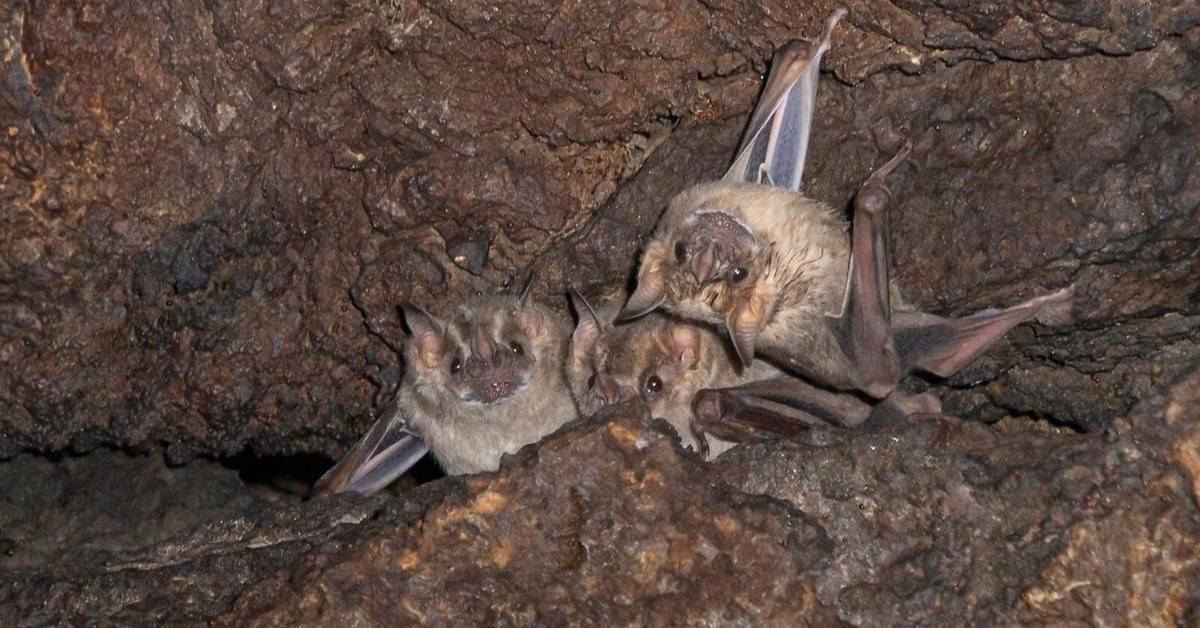
The cave is critical because it concentrates bats during breeding. That period includes pregnancy, birth, and nursing. Surveys describe seven bat species using the refuge. The mix includes insect-eaters, nectar-feeders, and one blood-feeding species. Some species use the cave year-round. Others arrive seasonally during migrations. A major feature is a maternity colony of Myotis velifer. Estimates range from about 9,000 to 50,000 individuals. Large colonies need stable temperature and humidity. Small shifts can change roosting positions and energy use. The value of the refuge extends beyond the cave. Insectivorous bats cut down on night insects that harm crops. Lower insect pressure can reduce pesticide use over time. Local agriculture includes sugarcane, rice, and maize. Nectar-feeding bats move pollen between flowers, including agaves and other dry-forest plants. Fruit bats spread seeds that help native vegetation recover. These roles matter in a state with rapid land-use change. They also support the recovery of native plant cover.
The legal pathway that set the refuge in place
International recognition came after a legal step taken years earlier. On April 25, 2018, Morelos published a decree in its official gazette. The decree declared the cave entrance a state-protected natural area. It used the category “Refugio de Vida Silvestre. The protected polygon is about 0.026 hectares. That is roughly 258 square meters, at about 1,100 meters elevation. The site sits in the ejido of Santa Rosa Treinta in Tlaltizapán. The decree recorded the municipal government’s written conformity. It also recorded agreement from the ejido’s authorities. A technical justification study supported the decision. That study was developed with UAEM researchers, technicians, and students. The decree tied the refuge to pollination, seed dispersal, and insect control. More recent work has focused on a management program. Teams have tracked temperature and humidity to map roost conditions. UAEM has also proposed a vulnerability index for the cave. It is meant to guide research use and conservation measures.
What threatens the site and what recognition changes
The main risk now is disturbance, not a lack of labels. The refuge sits in an urbanizing and farmed landscape. Project files describe nearby housing growth and new infrastructure. They also note nearby agriculture and some extractive activities. Inside the cave, pressure can come from unregulated visits. Guano extraction can also change roost structure and behavior. Vandalism and attempts to remove vampire bats have been reported. Researchers warn that people can shift temperature and humidity. Such changes can disrupt breeding in dense colonies. There is also a health risk for visitors. Bat guano can host fungi that cause histoplasmosis when inhaled. SICOM status does not create new sanctions on its own. It increases visibility into monitoring results and commitments. That can strengthen the case for controlled access and clearer local rules. For residents, the issue ties into land-use decisions and tourism activity. For visitors, the refuge status signals that entry should be coordinated with managers.