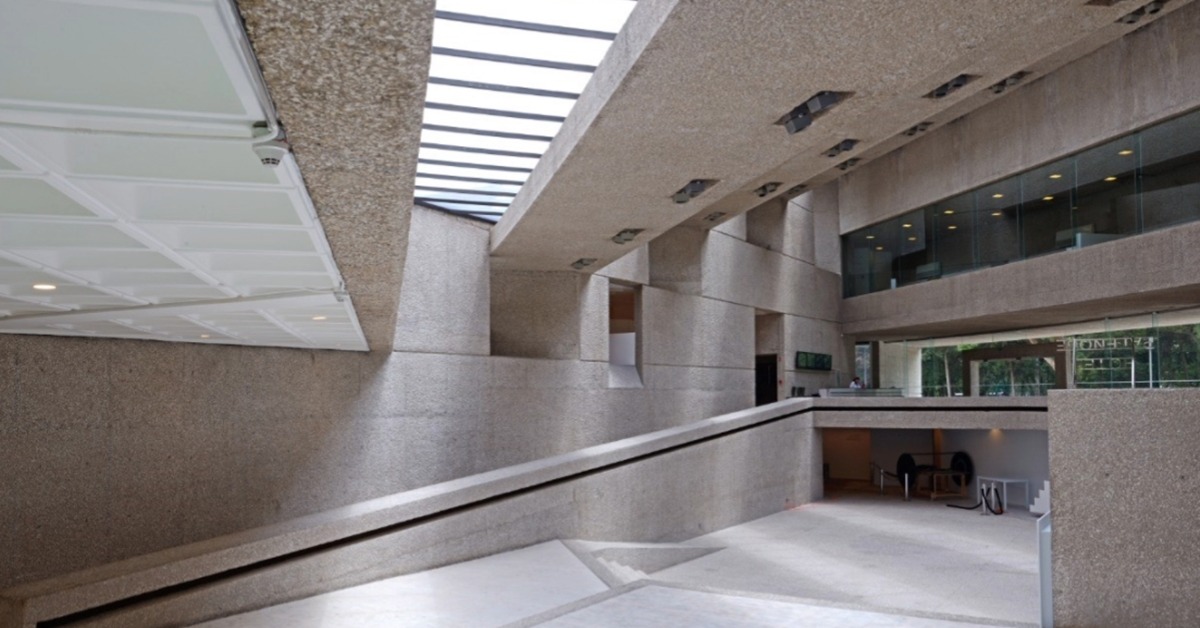
Museo Tamayo is opening in 2026 with a program that shifts attention from spectacle to shared practice. The season brings together exhibitions shaped by collaboration, spirituality, and memory, with special attention on Sheroanawe Hakihiiwe and the visual force of Yanomami oral tradition. The opening matters beyond the museum itself. It offers an early signal about how one of Mexico City’s key contemporary art spaces wants to frame the year ahead.
A museum year shaped by shared practice
Museo Tamayo has opened its 2026 program with a clear curatorial signal. The museum is placing collective art, spirituality, and shared practice near the center of its opening season. That matters because the first exhibitions of the year often set the tone for how an institution wants to be read. Here, the emphasis moves away from isolated authorship and toward art as exchange, ritual, and memory. In practical terms, that gives visitors a different entry point into the museum. The focus is less on spectacle and more on how meaning is built with others, across communities, and over time. For readers in Mexico City, or those planning a museum visit, that makes the program notable. Museo Tamayo is one of the capital’s main contemporary art venues, and its opening choices often shape early cultural conversation. This launch suggests a program interested in relationships, not just objects. It also favors forms of knowledge carried collectively rather than claimed by a single voice.
Sheroanawe Hakihiiwe brings ancestral memory forward
One of the strongest anchors in the program is Sheroanawe Hakihiiwe, whose work draws from Yanomami oral memory and ancestral traditions. That makes his presence especially important within a season built around shared knowledge. His art does not treat memory as a distant archive. It approaches memory as something spoken, passed forward, and kept alive through community practice. In a museum setting, that distinction matters. It shifts attention from art as a fixed statement to art as transmission. The result is work that can speak to spirituality and inherited ways of seeing without reducing them to a simple theme. For visitors unfamiliar with his practice, the exhibition may also open a wider conversation about how Indigenous knowledge enters major art institutions. It is not only a question of visibility. It is also about who carries memory, how it is preserved, and what changes when oral tradition enters contemporary exhibition space. That gives the show weight beyond a single artist spotlight. It also ties directly to the larger logic of Museo Tamayo’s opening slate.
What this opening says about the season ahead
The broader significance of this opening lies in the kind of museum season it announces. A program centered on collective practice and ancestral memory suggests an institution asking viewers to slow down and consider how art moves between people, not only through markets or names. In Mexico City, where major exhibitions compete for attention, that framing can help this season stand apart. It also gives international residents and visitors a useful lens for reading the city’s art calendar. Instead of opening the year with blockbuster logic, Museo Tamayo appears to be starting with questions about connection, continuity, and shared authorship. That does not make the program less accessible. It may make it easier to enter. These themes give audiences a direct way into the exhibitions, even without deep familiarity with contemporary art discourse. If the season continues along this line, the museum’s 2026 program could become an early marker of where the city’s institutional art conversation is heading, and of how memory and collaboration are being placed at the center of that discussion.