San Miguel’s popularity can make a long weekend feel pricey fast. Across central Mexico, several officially designated Pueblos Mágicos deliver similar plazas, historic churches, and walkable cores, but with quieter streets and more predictable hotel bills. Some sit close to large metro areas; others are farther into the colonial corridor, where historic centers still shape daily life. This roundup tracks nine practical options for 2026 and shows clearly what makes each a credible substitute.
Why San Miguel pushes budgets
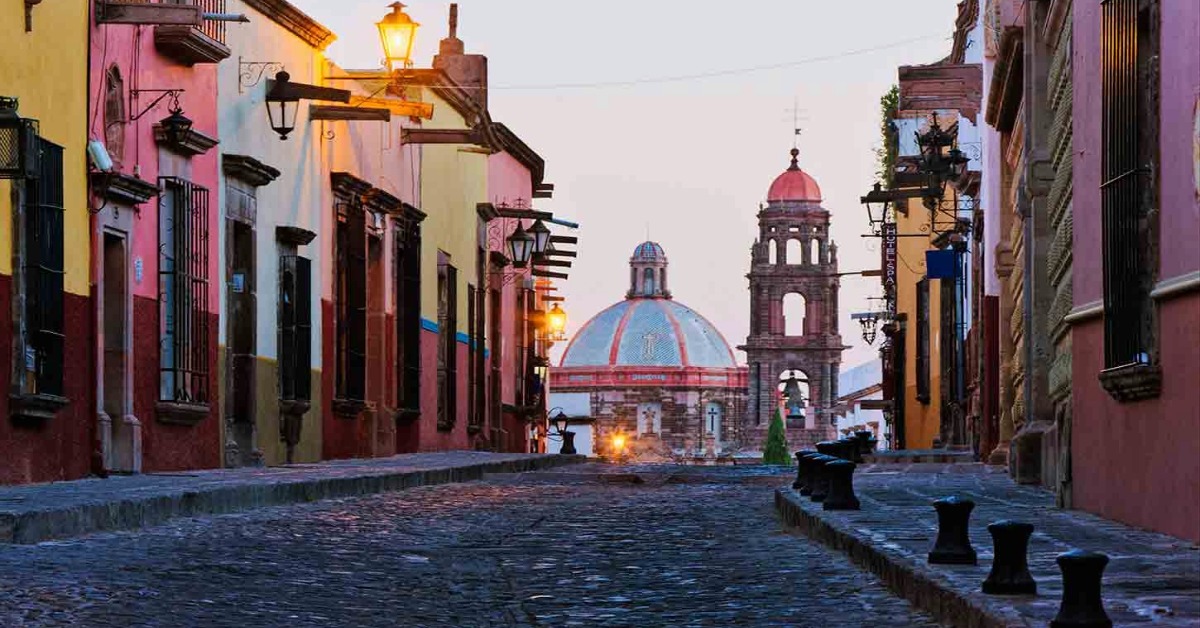
San Miguel de Allende has become a default colonial weekend. It offers walkable streets, baroque façades, and visitor-focused dining. Demand concentrates in the historic core. High-season pricing can shift fast. San Miguel’s historic town and the nearby Sanctuary of Jesús Nazareno de Atotonilco are also listed by UNESCO, which keeps the destination on many itineraries. Recent KAYAK hotel search data in Mexico shows average weeknight rates near MXN 8,256. Weekend averages sit near MXN 5,905, based on the prior two weeks. The Secretaría de Turismo recognizes 177 Pueblos Mágicos nationwide. The February 26 travel roundup highlights nine other Pueblos Mágicos. In the same hotel-search data, their weeknight averages fall much lower. They generally run from about MXN 915 to MXN 2,338. These gaps are not guaranteed for any date. They often narrow on holiday weekends. Still, the comparison signals that a similar look can cost less. For expats, short-notice returns can be more realistic.
How the alternatives were assessed
Price is only one part of a trip budget. A low nightly rate can disappear if getting there requires long transfers. Pueblo Mágico is also not a style guarantee. It is a federal tourism program and a designation. Official guidance frames it as a policy tool and a distinctive tourism brand, tied to local cultural and natural attributes. It also links the label to local planning and service quality work. For this comparison, the goal is narrower. It is to match the elements that make San Miguel’s center work for a weekend. That usually means a compact historic core, visible colonial-era buildings, and a plaza-centered layout that supports walking. Each town in this roundup is officially recognized as a Pueblo Mágico. Each has documented heritage sites or historic architecture that can anchor a two- or three-night stay. The cost signals come from recent two-week averages of hotel searches, not fixed rates. They should be treated as planning inputs, not price quotes.
Nine cheaper colonial alternatives
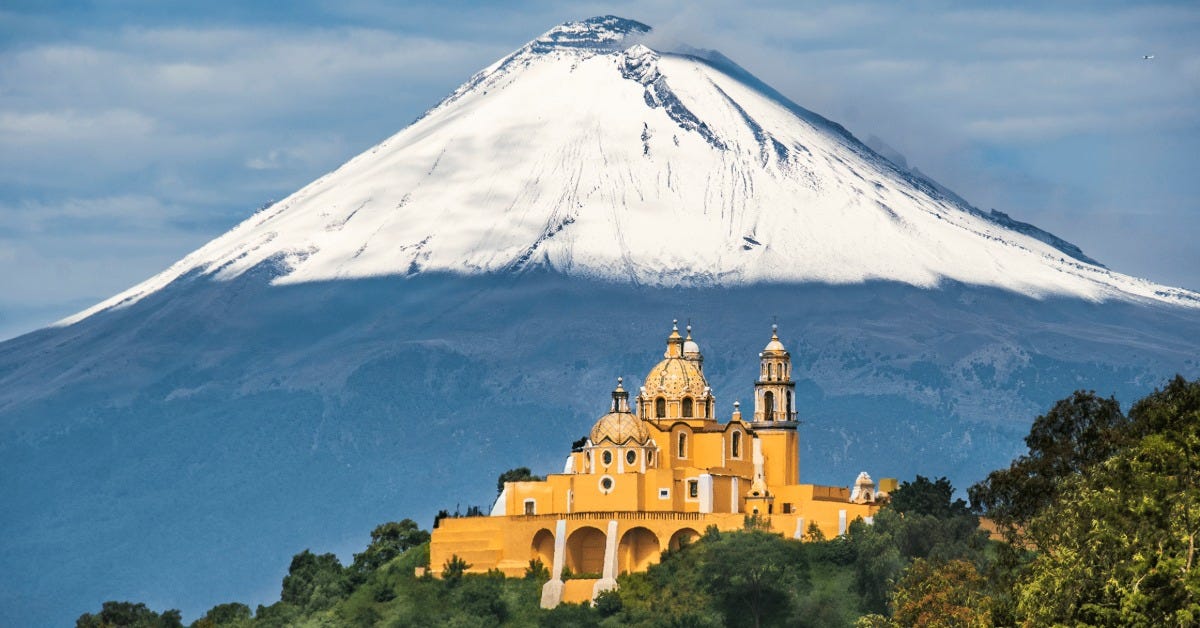
Cholula, in the state of Puebla, works as a close substitute for a colonial weekend. It is compact, and major landmarks sit close together. The town’s selling point is the overlap of pre-Hispanic and colonial layers in one skyline. The Great Pyramid of Cholula and the church complex above it create a single anchor. Tourism materials also highlight Ex-convent of San Gabriel. They point to an unusually high number of churches for a city of this size. Plaza de la Concordia acts as the center for walking. That supports the same “plazas and churches” rhythm many visitors seek in San Miguel. For expats based in Mexico City, the location also favors quick timing. Recent two-week hotel-search averages run about MXN 915 on weeknights. Weekend nights average about MXN 1,053. Rates still climb around festivals and peak weekends. But for a short stay built around architecture and walking, Cholula stays predictable.
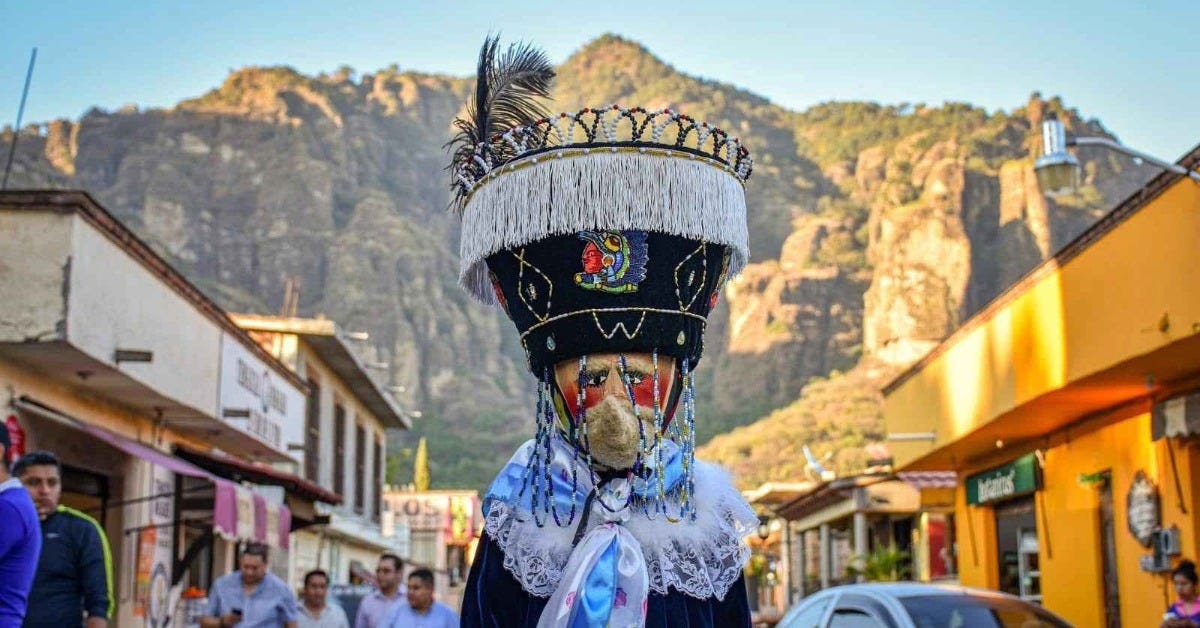
Tepoztlán, in the state of Morelos, appeals to travelers who want colonial streets and a dramatic natural setting. Official tourism notes describe the town as being sheltered by the hill linked to the Tepozteco area. They list the Tepozteco Pyramid, Temple, and Ex-Convent of the Nativity as core stops. They also mention temazcal bathing and the national park as options. The Instituto Nacional de Antropología e Historia records the former convent complex as part of a UNESCO World Heritage listing of early monasteries. For expats in Mexico City, the stated distance is 74 km. That supports a two-night plan without heavy transit costs. Convenience matters because Tepoztlán often draws weekend traffic. The recent two-week hotel-search averages still suggest a manageable price point. Weeknights average about MXN 1,372. Weekend nights average about MXN 1,412. The town also has a clear “center-to-trail” structure. You can start in the market and main streets, then decide on the uphill walk.
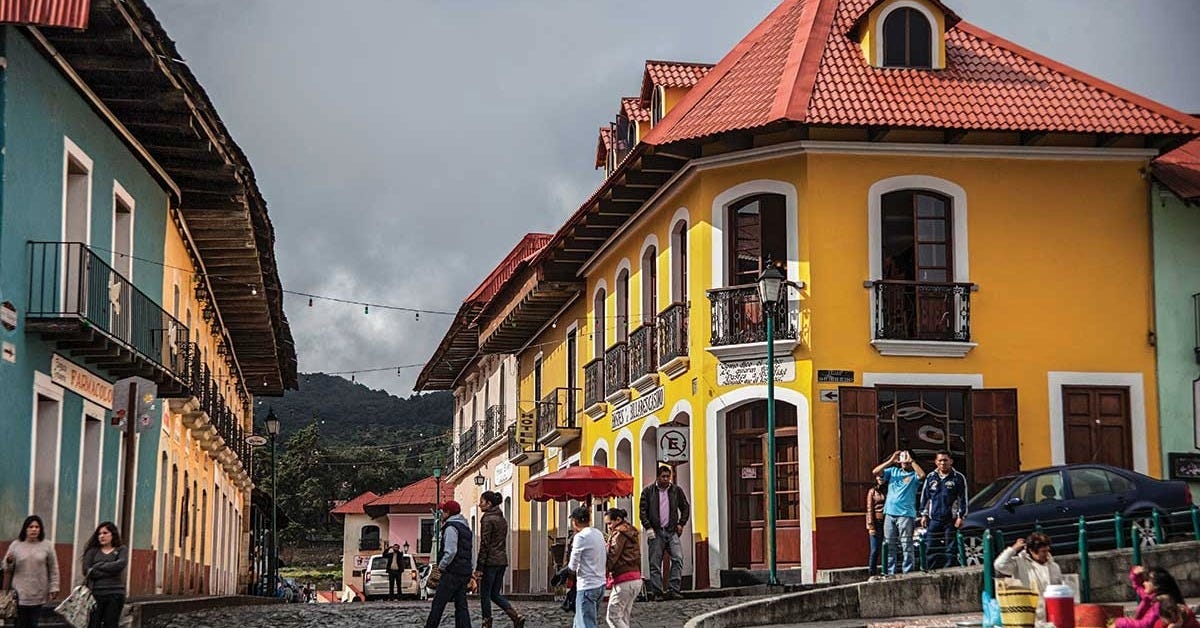
Real del Monte, also known as Mineral del Monte in the state of Hidalgo, leans on mining history. It is not a “cathedral town” in the same way as San Miguel. Official tourism descriptions frame it as a historically mining region. The official profile lists it as part of the Pueblo Mágico program since 2004. They point to Mina de Acosta and Panteón Inglés. They also cite the main square and parish churches. The same materials note that English miners introduced football in Mexico. They also reference a local paste festival tied to that connection. For expats, the practical advantage is proximity to a larger city. The town is about 15 minutes from Pachuca. That can simplify transport and backup lodging options. Recent two-week hotel-search averages place it in an accessible band. Weeknights average about MXN 1,005. Weekend nights average about MXN 1,073. The walkable core and mining sites create a clear two-day itinerary.
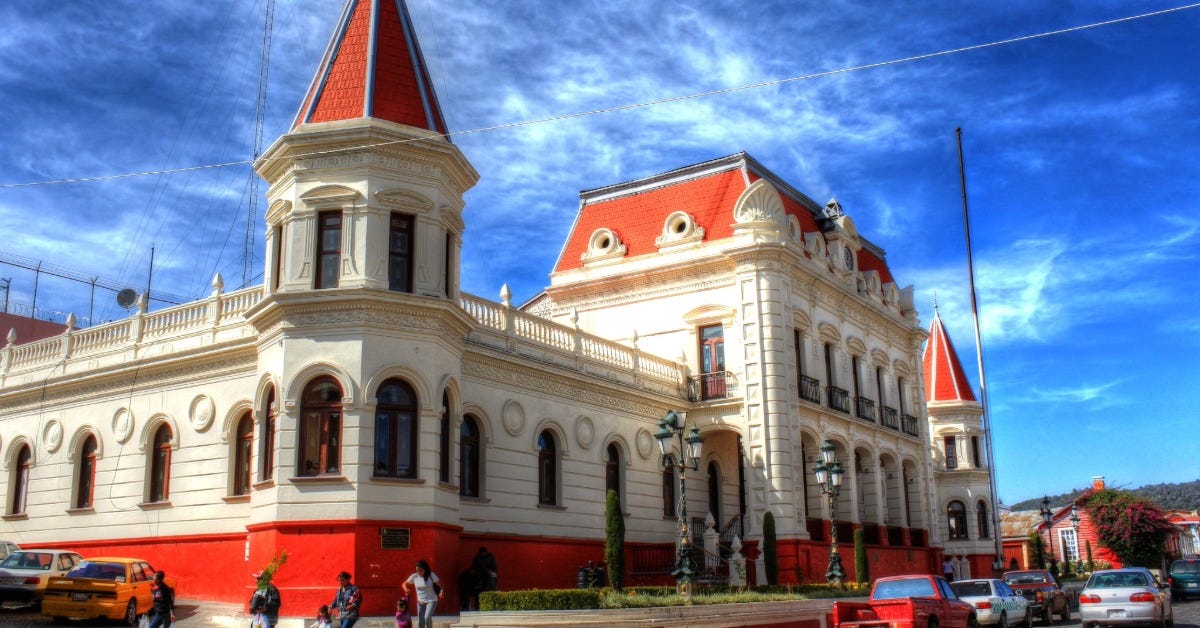
El Oro, in the State of Mexico (Estado de México), is framed as a lower-cost colonial alternative built on the wealth of the mining era. Federal tourism descriptions say the mining boom faded long ago. The built environment still reflects that period. The same profile notes that El Oro was founded in the 18th century. It also links growth to mines such as La Esperanza, El Consuelo, and La Providencia. The profile also notes the earlier Mazahua presence in the area. It points to Teatro Juárez and Palacio Municipal de El Oro as key sites. It also describes European styles, including Art Nouveau and Neoclassical. Cobblestone streets and Jardín Madero act as the everyday center. For expats, El Oro can work when the goal is a historic core, with short lead times. Recent two-week hotel-search averages run about MXN 1,558 on weeknights. Weekend nights average about MXN 1,089. That spread is a reminder that pricing behaves differently across markets and seasons.
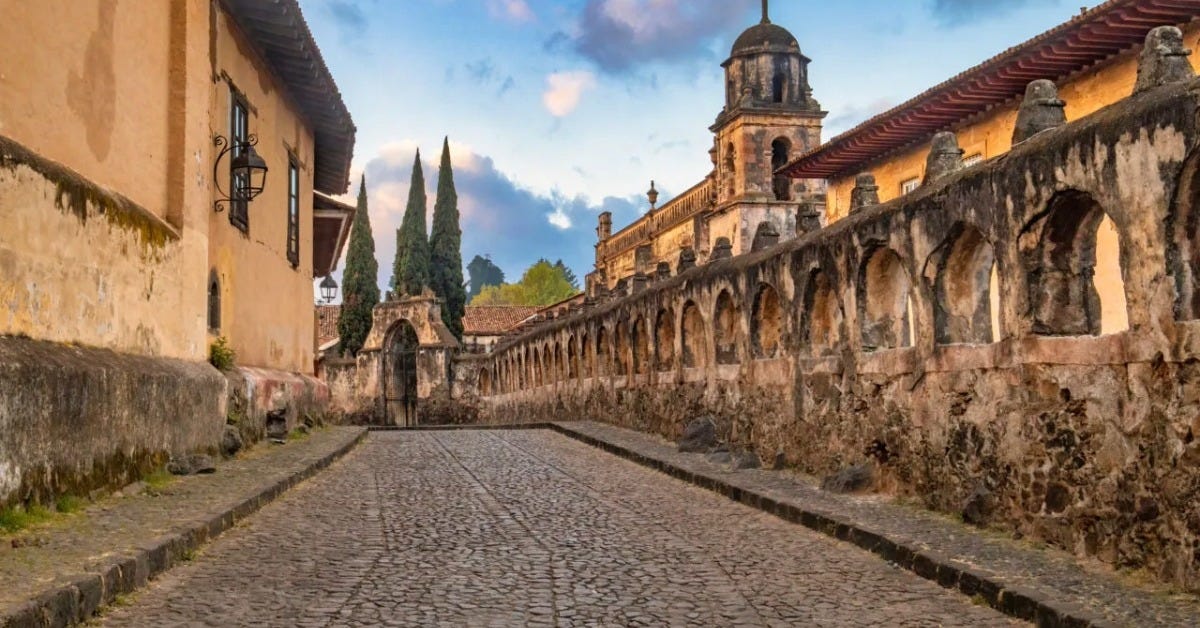
Pátzcuaro, in the state of Michoacán, is a colonial option with a strong Indigenous history still visible in daily life. Federal tourism descriptions describe a center with steep cobblestone streets and large plazas. They also link the local economy to crafts sold in the streets. The same profile highlights baroque and neoclassical churches, as well as houses built with adobe and tile. For travelers who associate San Miguel with a plaza-led routine, that layout translates well. Official listings place major sites around the central squares. Examples include Plaza Vasco de Quiroga and Basilica de la Virgen de la Salud. Pátzcuaro is also a Day of the Dead stop in early November. That season can push prices up fast. Outside peak dates, the recent two-week hotel-search averages suggest a moderate spend. Weeknights average about MXN 1,471. Weekend nights average about MXN 1,416. For expats, the town supports a base-camp approach. It can be paired with lake-area day trips without changing hotels each night.
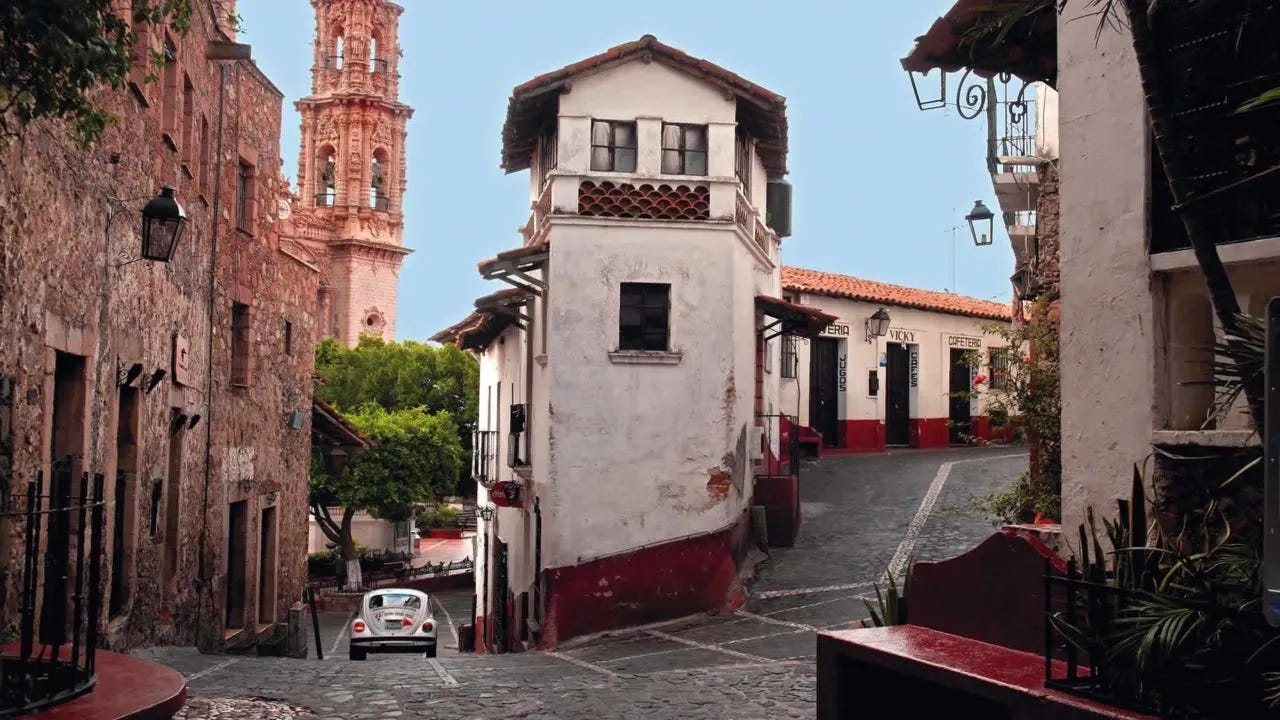
Taxco, in the state of Guerrero, is one of the clearest “looks like San Miguel” substitutes on the list. Federal tourism descriptions emphasize its colonial style and steep streets. They also stress a tight grid of narrow cobblestone lanes. Many streets have no sidewalks, which changes how the center feels on foot. Key sights include the Parroquia de Santa Prisca y San Sebastián. The town’s markets and silver trade also shape its identity. The official profile lists Taxco as part of the Pueblo Mágico program since 2002. For expats in central Mexico, guidance notes a route from Cuernavaca. It uses Federal Highway 95 and covers about 106 km. Recent two-week hotel-search averages suggest a lower lodging spend than in San Miguel. Weeknights average about MXN 1,201. Weekend nights average about MXN 1,276. The center is compact enough that most visits do not require a car once you arrive. That helps keep the overall budget closer to lodging and meals, not transport.
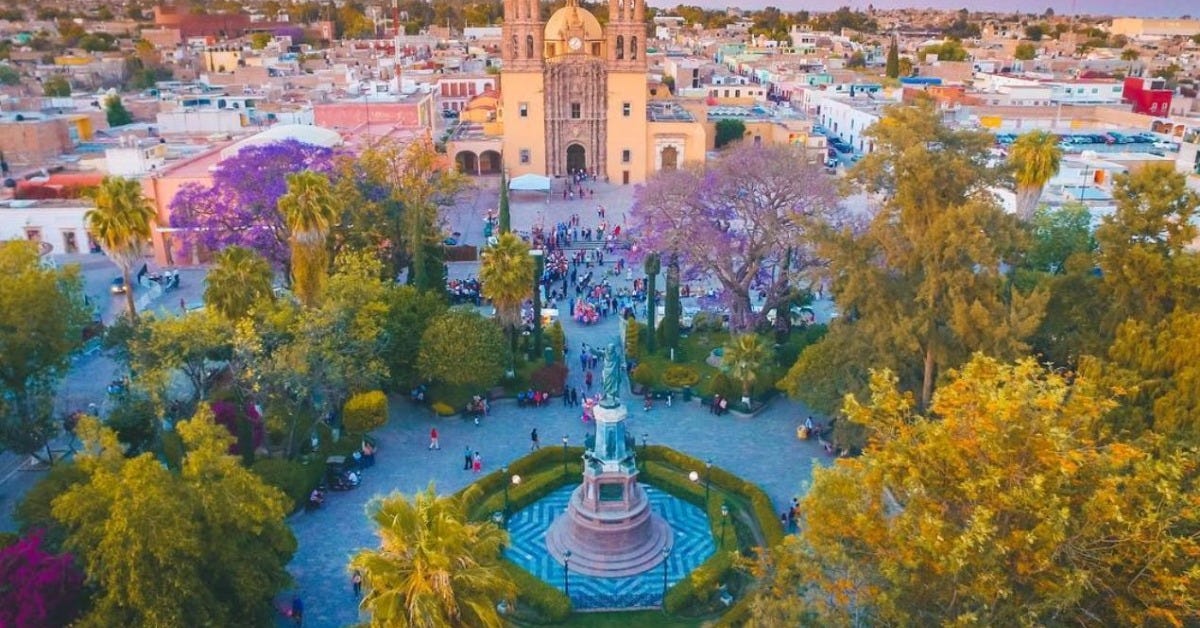
Dolores Hidalgo C.I.N., in the state of Guanajuato, is the most historically driven substitute on the list. Federal tourism descriptions call it a colonial city. The official profile lists it as part of the Pueblo Mágico program since 2002. They present it as the birthplace of Mexico’s Independence movement. Separate heritage documentation notes that the city was formally denominated “Dolores Hidalgo, Cuna de la Independencia Nacional” in 1947. The official profile lists the main parish church and Independence museums as central stops. It also notes local crafts, including ceramics and talavera-style work. For expats who want a weekend with a clear narrative, the town’s center supports that structure. Recent two-week hotel-search averages show about MXN 1,125 on weeknights. Weekend nights average about MXN 1,105. As in San Miguel, a short stay can be built around a central plaza. But the trip tends to run on museums and civic history, not boutique shopping.
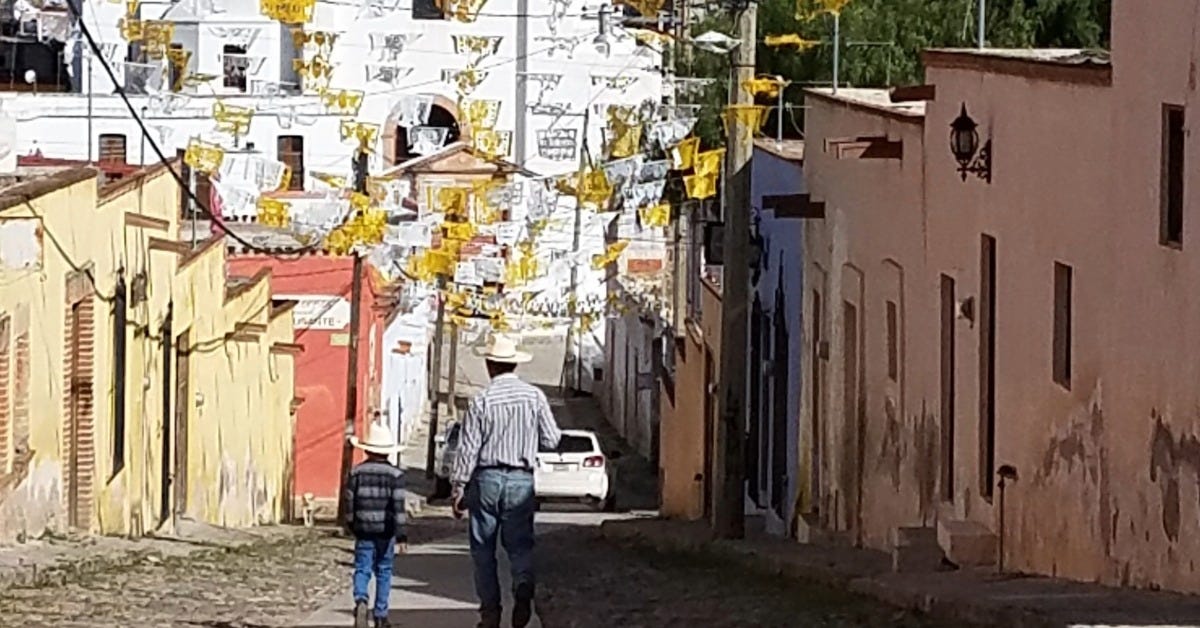
Mineral de Pozos, also in Guanajuato, is the outlier that feels most like a set of preserved fragments. Federal tourism descriptions call it a “ghost town” and say it was abandoned twice. The same profile emphasizes mining-era vestiges, including old mines and processing sites. It also mentions restored houses, small plazas, and tight alleyways in the core. The profile ties the town’s origins to the 18th century, after an earlier Chichimeca presence. The town also hosts mariachi and blues festivals. For travelers who want a quieter colonial atmosphere, history matters. It lowers the chances of a packed center, but it can increase reliance on a car. Recent two-week hotel-search averages reflect a smaller market. Weeknights average about MXN 2,338. Weekend nights average about MXN 1,199. That is higher than other alternatives here, but still below San Miguel’s recent averages. Mineral de Pozos is best for a slow weekend, with mining walks and planned stops.
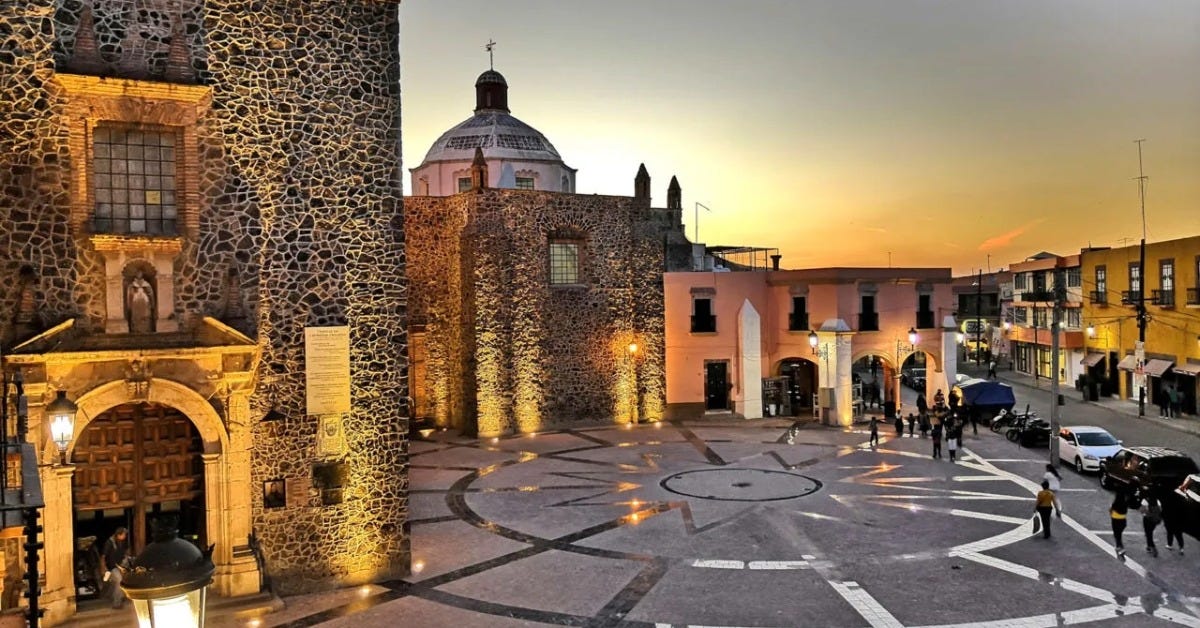
Salvatierra, also in Guanajuato, is a lower-profile colonial city with a clear architectural argument. Federal tourism descriptions state that it was elevated to city status in 1644. They also describe it as the third colonial city of Guanajuato. The official profile lists it as part of the Pueblo Mágico program since 2012. The same profile highlights Río Lerma as a defining feature of the town’s setting. It also notes a largely Spanish population in its early formation. Agustinian religious orders are described as building a major convent complex there in the 16th century. Across the center, the profile emphasizes religious and civil architecture. It points to bridges, convents, and large historic houses. It also names specific landmarks, such as Puente de Batanes and major churches. Recent two-week hotel-search averages support the cheaper-than-San-Miguel framing. Weeknights average about MXN 1,598. Weekend nights average about MXN 1,342. That makes Salvatierra a fit for travelers who prefer long walks and fewer ticketed attractions.
These alternatives are not identical to San Miguel. Each has a different mix of archaeology, mining, and Independence-era history. That variety helps expats match a weekend to weather and driving time. It also matters for budgeting. The hotel-price snapshots used here are recent two-week averages. They describe a moving target, not a quote. Still, they show a consistent pattern. San Miguel’s recent averages are several times higher than those in the nine towns. The biggest savings usually come from choosing a town with a walkable center. It reduces taxis, parking, and last-minute transport costs. A second lever is timing. Midweek stays and non-holiday weekends tend to be cheaper across destinations. The Pueblo Mágico program is designed to support local planning and service quality. Travelers still need to check hours and access rules for specific sites. For expats, the advantage is repeatability. These towns support quick trips that do not require months of planning.