Nu is preparing to cross a regulatory line that could change what its customers can do inside the app. The company says fully digital banks are arriving as Mexico’s payments and savings habits shift toward mobile. With new licenses moving through regulators, the battle is turning into a fight over service, limits, and trust—without branches. For residents and expats, the details matter. What changes when a fintech becomes a bank, and what stays the same?
Nu’s branchless pitch is built on reach
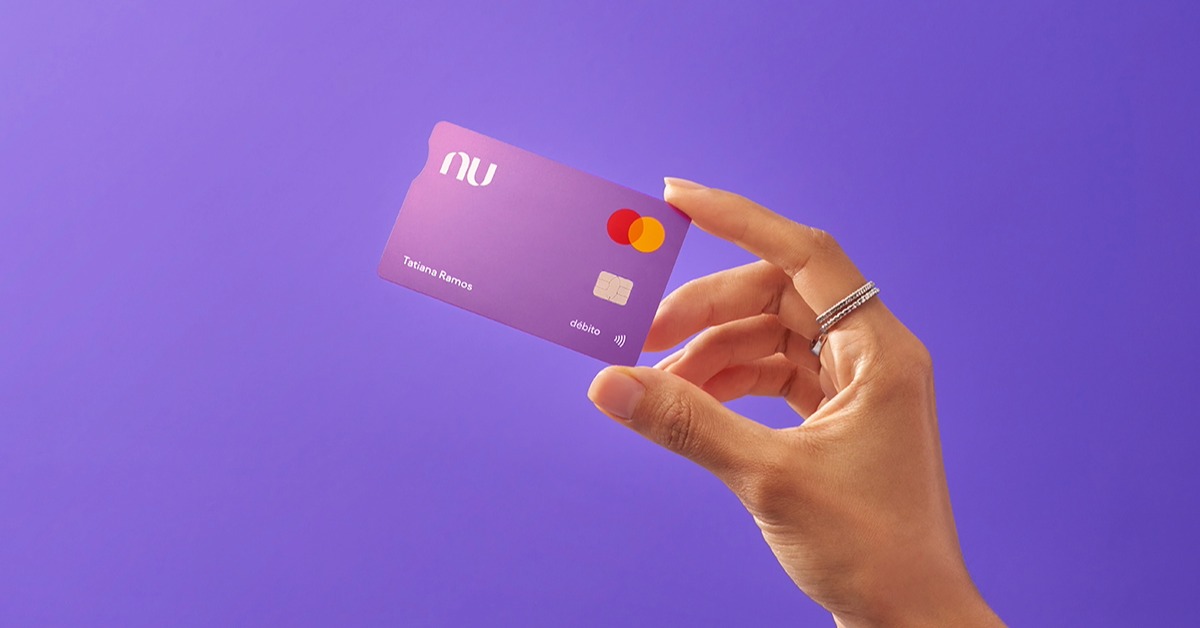
Mexico’s banking market is getting more crowded. Nu México wants to be seen as one marker of that shift. In an interview released March 5, Armando Herrera said Mexico is moving toward a more digital economy. He argued that new entrants are changing what customers expect from a bank. Nu’s pitch is simple: keep the relationship on the phone, not in a branch. Herrera said the app-first model has helped Nu reach 98% of Mexico’s municipalities. That includes many areas with limited traditional banking coverage. He also said the company is nearing 14 million users, built in a few years. Nu entered the Mexican market in 2019 and launched a no-fee credit card soon after. It later added a debit account and savings features, aimed at people without formal credit. For customers, the promise is access anytime and fewer paperwork steps. Nu says nearly half of its customers received their first credit card through the platform.
The banking license is the pivot point
That strategy depends on a regulatory upgrade. Nu received CNBV approval for a banking license in April 2025. It still operates as a SOFIPO while it completes a supervisory audit. The company expects to begin full bank operations in 2026. The shift matters because the rules change with the charter. As a bank, Nu would be able to offer a payroll account and support payroll portability. That can let customers route their salary to the institution of choice. It would also raise deposit limits, an issue for users who have hit caps under the SOFIPO framework. Another change is deposit protection. Bank deposits are covered by IPAB insurance up to 400,000 UDIS per person, per bank. The SOFIPO protection fund covers savings up to 25,000 UDIS. Nu has said the IPAB regime would expand coverage once it starts operating as a bank. Even with a bank charter, Herrera has ruled out opening branches.
Digital competition is widening across Mexico
Nu is not alone in betting on digital banks. In January, Revolut launched full banking operations in Mexico after securing a local license. Plata, a consumer-lending fintech, has also said it has final approval to operate as a bank. Klar has pursued a banking license as well, including a route involving acquiring an existing digital-bank platform. Nu has argued that nearly 90% of payroll accounts are held by just five banks. These moves matter in a system where a handful of institutions still dominate deposits and salaries. In 2024, 76.5% of adults aged 18 to 70 reported holding at least one formal financial product. Mobile channels are playing a bigger role, but cash still leads many small transactions. New entrants are leaning on app onboarding, remote verification, and simple pricing structures. That mix creates a target for new banks: people who want digital access, but still need ways to fund accounts and pay bills. For incumbents, the pressure is on customer service and fees, not only branch coverage.
What this could mean for residents and expats
For most users, the near-term question is not branding. It is what a digital bank can do day to day. If Nu completes its transition, customers could see higher deposit limits and easier salary routing. They could also see more regulated products inside one app. For expats living in Mexico, this can simplify tasks such as paying rent and transferring money between local accounts. It can also help with routine bill payments. The trade-off is that branchless banking shifts more responsibility to the customer. Users need to understand transfer limits, dispute processes, and how to reach support when an app blocks a transaction. Deposit protection also becomes part of the decision, especially for larger balances. A bank charter brings the IPAB insurance framework into effect, while SOFIPO accounts rely on a separate protection fund. Digital banks also need a bridge to the cash economy, through withdrawals and deposit networks. In many parts of Mexico, that cash link still determines whether a digital account feels practical.
With information from Nu International, INEGI, IPAB deposit insurance explainer, SOFIPO deposit protection