Tuesday’s global selloff reached Mexico fast. The peso slid, and the S&P/BMV IPC fell, both logging their weakest session in 11 months. The trigger was not local earnings or politics. It was a jump in energy prices tied to escalating tensions in the Middle East. Mexican crude moved back above $70 a barrel. Investors are now weighing two forces: higher oil revenue for the public sector and a weaker currency that can feed inflation. The next few sessions should show which force dominates.
Mexico assets post worst day in 11 months
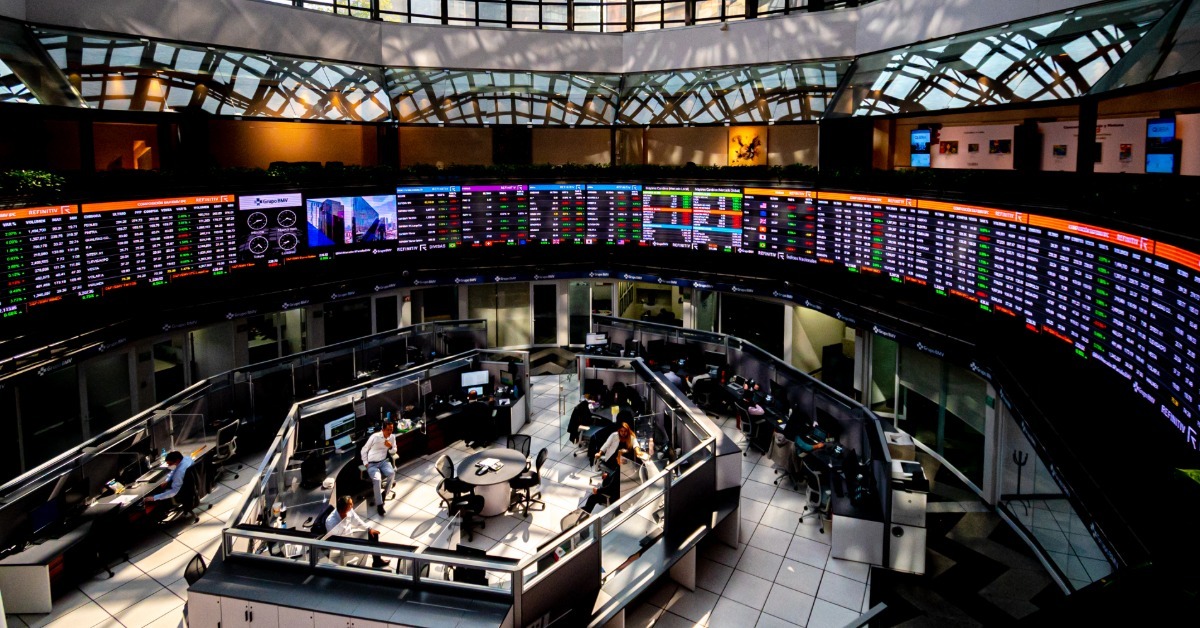
Mexico’s peso mexicano and the Bolsa Mexicana de Valores fell on Tuesday, posting their weakest session in about 11 months. The currency ended near 17.64 pesos per dollar on the central bank’s closing measure, a drop of about 2%. In wholesale trading, the dollar hovered around 17.7 and reached roughly 17.88 at the day’s peak. Retail quotes at major banks briefly moved above 18 pesos, widening the gap with the interbank market. Equities also fell, with the S&P/BMV IPC closing at 68,436 points, down 3.04%. That close marked the index’s largest one-day fall since April 4, 2025. The benchmark traded as low as about 66,938 during the session before trimming losses. Mining and metals names weighed on the market, while a small set of consumer and media stocks finished higher. By the close, the index was down more than 4% for March. Trading volumes rose as investors reduced exposure to Mexican assets alongside a broader global selloff.
Energy prices and Middle East risk drive the move
The catalyst was a repricing of energy risk tied to the conflict involving the United States, Israel, and Iran. Market attention focused on shipping through the Strait of Hormuz, a key route for crude and liquefied natural gas. Energy data show that flows through the Strait can account for about 20% of global petroleum liquids consumption. That share helps explain why even short disruptions tend to lift oil benchmarks quickly. On Tuesday, Mexico’s crude export blend rose to about $70.32 a barrel, its first move above $70 since June 2025. For Mexico, higher crude prices can lift export revenue and support public finances. International benchmarks also climbed, with WTI near $77.7 and Brent around $82. Higher energy prices can raise inflation expectations, especially when freight and insurance costs rise. As those expectations firm, investors often reduce exposure to riskier assets and seek US dollars and government bonds. That shift can pressure emerging‑market currencies and equity markets simultaneously. Mexico’s selloff followed the same pattern seen across many global stock exchanges that closed lower.
What the peso swing can mean for expats
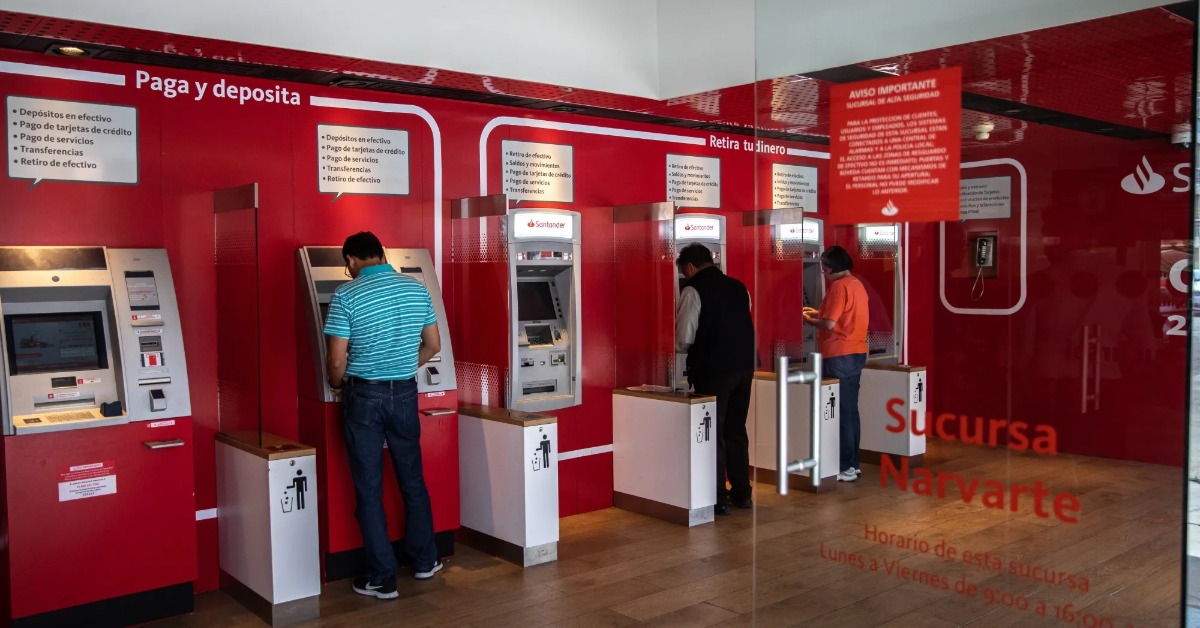
For many residents and expats, the immediate impact is through the tipo de cambio rather than the stock index. A move from the mid‑17s to the high‑17s can change the peso value of rent, school fees, and daily budgets. People paid in US dollars typically receive more pesos when converting income, while dollar expenses rise for peso earners. Bank window quotes can differ from interbank prices and from the official FIX reference published by Banxico. That gap tends to widen during volatile sessions, when spreads and hedging costs increase. In equities, the decline was led by firms linked to metals and other global commodities. Those moves matter for local investors and for retirement portfolios that track broad benchmarks such as the S&P/BMV IPC. Analysts also watch the currency channel for inflación risk, because a weaker peso can raise the local cost of imports. Mexico uses fiscal mechanisms to smooth domestic fuel prices, but exchange‑rate moves can still affect prices over time. The key question is whether the peso stabilizes or whether a move above 18 becomes more persistent.
What to watch next
In the near term, markets may follow headlines on the Middle East conflict and energy supply. If shipping constraints ease, oil and gas prices could settle and reduce pressure on risk assets. If disruptions persist, energy costs may remain elevated, keeping inflation expectations firm. That scenario can support the dollar and weigh on currencies such as the peso mexicano. In Mexico, traders will also track Banxico communication, because currency weakness can complicate the timing of rate cuts. The central bank typically weighs whether external shocks are temporary and watches for second‑round effects. For the equity market, the focus is on whether heavyweight sectors recover after the 3% daily drop. A rebound in metals prices would help miners, while lower volatility would support financial and consumer names. Key reference points are the peso near 18 per dollar and the index near its intraday low. Until those levels are tested, most moves are likely to be driven by global risk appetite rather than domestic fundamentals.
With information from El Universal, Bolsa Mexicana de Valores, S&P Dow Jones, Banco de México SIE, Diario Oficial de la Federación