After Tuesday’s jolt, the peso opened March 4 on a stronger footing—but the “dollar price” depends on what you’re looking at. A live market quote, the official FIX, and the numbers on a bank’s board can all be accurate and still feel contradictory. If you’re paying rent, converting savings, or budgeting everyday costs, those gaps can quietly add up. Here’s what drove the rebound, what each rate actually represents, and how to read bank buy and sell quotes without paying more than you need to.
A bounce after Tuesday’s slide
After the sharp selloff on Tuesday, the Mexican peso recovered early Wednesday, March 4. Around mid-morning, the dollar traded near 17.55 pesos, reversing part of the prior day’s move. That put the peso up about 0.82% versus Tuesday’s reference. Tuesday’s slide was about 2.3%, one of the steepest daily drops in roughly a year. The fall came amid a global bout of risk aversion, driven by worries about the economic and inflationary fallout from fighting in the Middle East. On Wednesday, sentiment steadied, and the peso caught a bid. A key trigger was stronger-than-expected US private hiring data, which eased some near-term growth concerns. The rebound does not erase the message from the last two sessions: this is a market driven by headlines and positioning. For anyone who budgets in dollars but pays in pesos, the practical takeaway is timing. A few tenths of a peso can move the cost of groceries, hotel bills, or a wire transfer in minutes.
Why three dollar prices can all be “right”
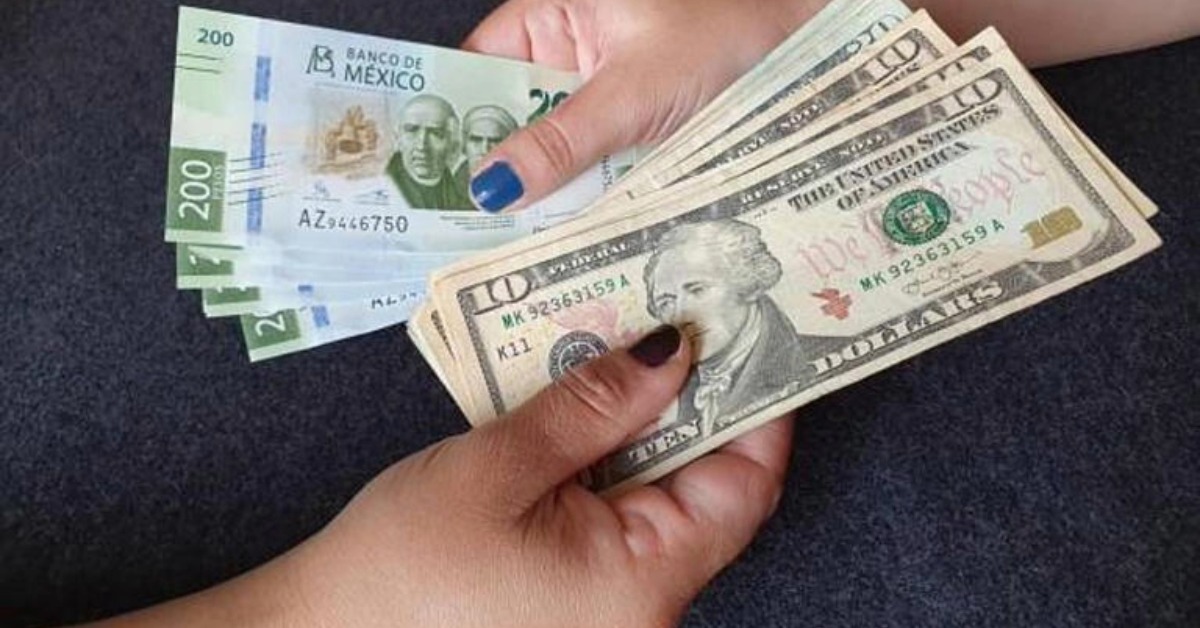
Currency coverage often throws three prices at you, and they are not interchangeable. The market rate fluctuates throughout the day and reflects trading among financial institutions. Many screens showed an early-day average near 17.73 per dollar. The official Banxico FIX is a reference rate used for accounting and contracts, published with a lag. For March 4, the FIX was 17.7228 pesos per dollar, while the rate used to settle dollar obligations was 17.3485. Those numbers can look “off” next to a live quote near 17.55, but they come from different time windows and different markets. Retail banks add another layer. Their posted prices bake in cash-handling costs, counter demand, and a buffer for sudden swings. That is why the buy price is lower, and the sell price is higher than the headline market level. If you are paying with a card or withdrawing from an ATM, the effective rate may sit closer to the market rate, plus fees.
How to read bank buy and sell quotes
Bank quotes matter most when you need cash or when you are deliberately converting dollars. At about 9:50 a.m. on March 4, several large banks posted wide spreads. BBVA showed 16.70 to buy and 17.84 to sell. Banamex listed 17.00 and 18.02. Banorte showed 16.40 and 17.90. Afirme posted 16.70 and 18.20, while Scotiabank was 16.60 and 18.50. The first number is what the bank pays you for your dollars. The second is what it charges when you buy dollars. The gap is the bank’s cushion, and it is the hidden cost many newcomers miss. Rates can also change between the app and the teller during the same hour. If you can wait, checking again later in the day can save money. If you are converting for rent or a large purchase, even a small difference in the sale price can add up fast. For card purchases, the network rate may beat cash, but bank markups still apply. The safest approach is to know your direction, compare before you commit, and watch for fees that sit outside the posted rate.