If you checked the exchange rate on Tuesday and felt like the numbers didn’t add up, you weren’t imagining it. The dollar pushed toward 17.7 pesos in wholesale trading, yet some banks’ sell rates climbed above 18. The gap matters most to expats who live in pesos but earn, save, or travel in dollars. This version focuses on the “at-the-counter” reality: why spreads widen in a shock, why official reference rates can lag the market, and what signals could tell you when the turbulence is easing.
Why you may have seen 18 pesos at the bank
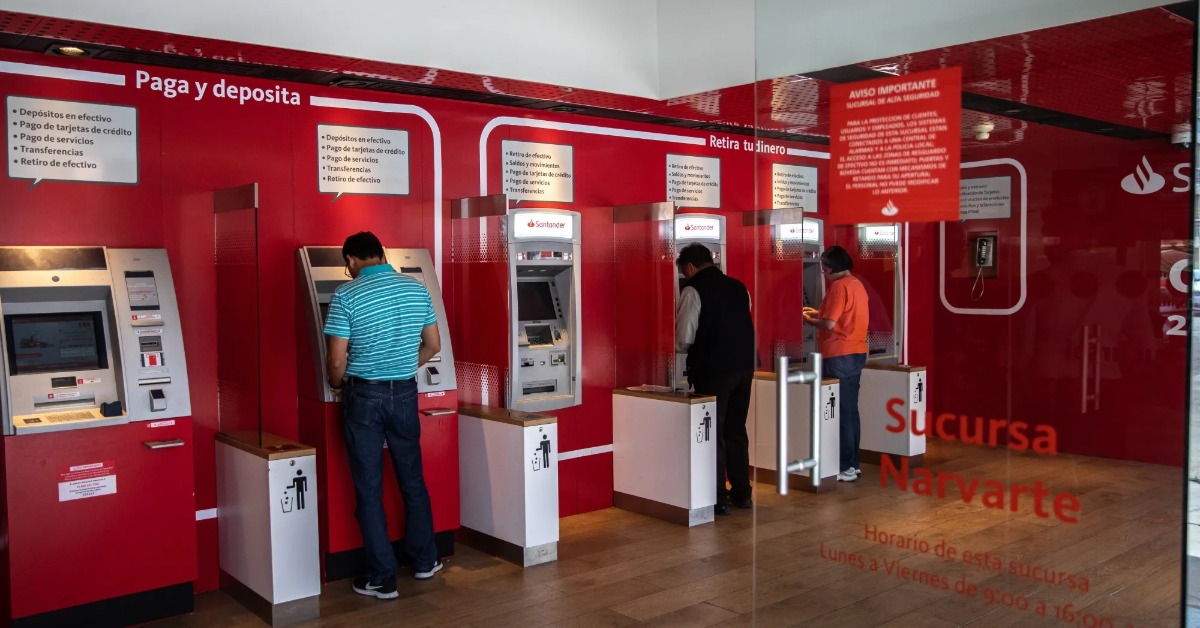
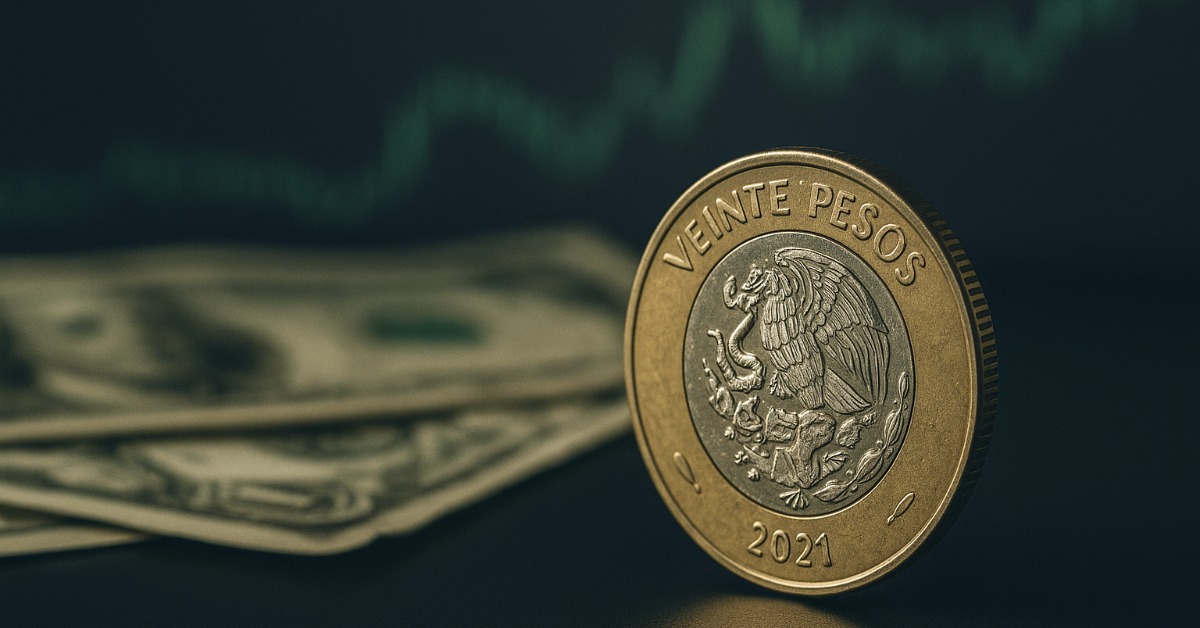
Tuesday’s currency swing showed up where many people feel it first: bank counters and card payments. In wholesale trading, the US dollar climbed close to 17.7 pesos, and retail quotes moved further. Banamex listed a sell rate of around 18.08 and a buy rate of around 17.12. That wider gap matters for expats who convert income, pay rent, or cover daily costs in pesos. When markets turn volatile, banks widen exchange-rate spreads to manage risk. The headline interbank price can then understate what you actually pay. Timing also becomes tricky. A transfer that looks fine at breakfast can look expensive by lunch. Some ATMs and cash desks also adjust more slowly, then catch up in jumps. That can create a “whiplash” feeling when you check rates twice in one day. Even without Mexico-specific news at the center, the peso can swing fast when global nerves spike.
The global spark behind a local rate move
The move followed a familiar risk-off pattern that hit many emerging-market currencies at once. Investors cut exposure after the Middle East conflict intensified. That shift increased demand for the dollar and pushed traders toward safer assets. The peso often reacts quickly in these moments because it is liquid and widely used for hedging. At the same time, oil prices jumped, adding pressure through inflation expectations. Higher energy costs can filter into transport and input prices worldwide. That can alter rate-cut expectations in several economies, including the United States. Mexico’s rate advantage can help in calmer periods, but it can fade during geopolitical stress. Bond markets reflected the same caution. The US 10-year yield traded near 4.11%, while Mexico’s 10-year was around 8.79%. By the afternoon, the exchange rate was near 17.63 per dollar, a drop of about 2% on the day.
FIX, interbank, and your actual exchange rate
The day also highlighted why official and consumer quotes rarely match. Mexico’s central bank publishes a daily FIX rate as a reference. It is calculated from a specific window, so it may not capture a late surge. For March 3, that FIX rate was 17.3485 pesos per dollar. Separately, the “dollar for obligations” rate was 17.2193, used for certain payments. That difference can confuse people comparing app quotes with official references. The live interbank market, however, can move minute by minute. Banks then add their own margins and costs on top. During stress, those margins can widen quickly. That is how a bank sell rate can push above 18 while spot trading stays in the 17s. For expats, the key point is practical. The rate you get depends on the channel and the timestamp. Card networks may settle at a different moment than your purchase. Cash exchanges often carry the largest markups.
What could calm the peso or keep it shaky
What happens next may depend more on headlines and energy markets than on local data. If oil stays high, investors may keep pricing inflation risk. That can support the dollar and weigh on emerging-market currencies. If tensions cool, the peso can rebound just as fast. Volatility itself changes behavior, too. Some people delay converting dollars, while others schedule transfers to spread risk. Businesses may adjust prices sooner when exchange rates swing, especially for imports. For expats, the main lesson is budgeting resilience rather than prediction. A small buffer in weekly pesos can reduce stress. Watching the gap between interbank quotes and retail quotes can be as important as the headline rate. Another watch point is how quickly retail quotes normalize after the swing. If spreads stay wide, costs rise even if spot calms. In a week like this, the “best” rate is often the one you can access when you need it.