Playa del Carmen is not only putting more cameras on police uniforms. Officials say the system will also flag officers who switch them off during a shift. That makes this more than a hardware story. It is an early test of how serious the city is about supervising police conduct in real time. The cameras are already being expanded. What matters next is whether alerts lead to review, discipline, better training, and a clearer record for residents and visitors when encounters go wrong.
A rollout that is already expanding
On March 20, city officials said officers wearing body cameras in Playa del Carmen will be monitored in real time. The system, they said, will send an alert if an officer turns a camera off during a shift. That is a notable step because it targets the moment when a body-camera record can disappear. For readers outside Mexico, the point is simple. A camera can record an encounter, but an alert is meant to catch a gap in accountability as it happens.
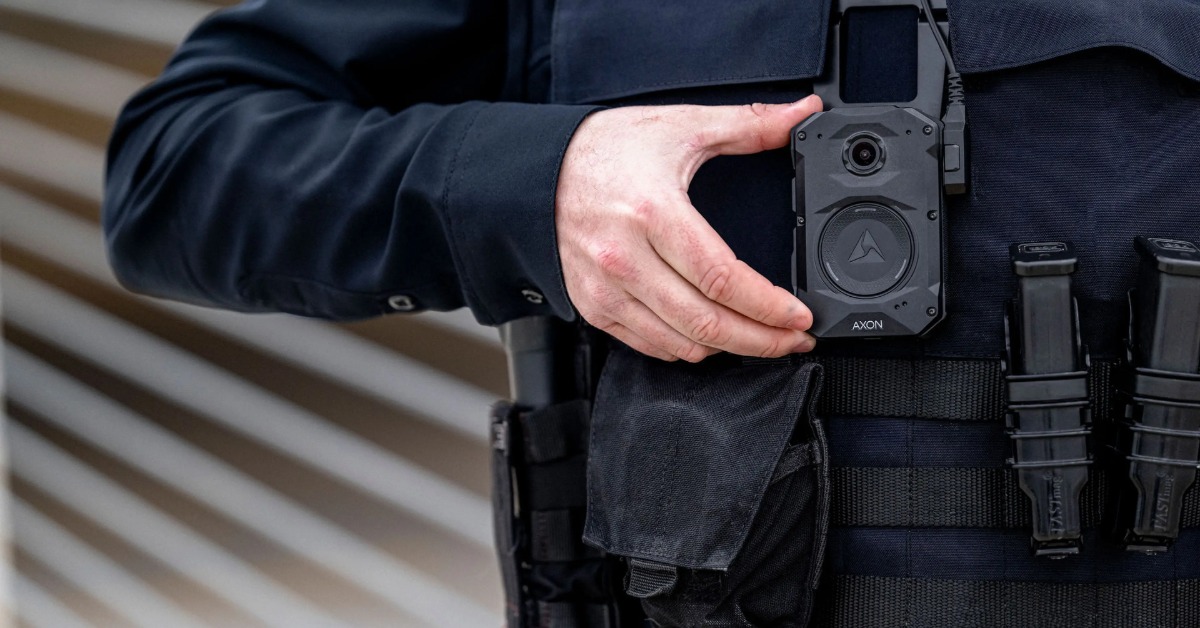
The announcement came days after the municipal government unveiled a 38.7 million peso police equipment package. The March 17 rollout included 439 body cameras integrated into officers’ vests, along with uniforms and protective gear. Officials said the devices offer 360-degree night vision, cloud storage, and real-time monitoring from command centers. The funding came from FORTAMUN, a federal fund that supports municipalities. Local reporting also says another purchase is planned so more officers, and eventually the whole force, can be covered.
Why the shut-off alert matters
The value of the alert is straightforward. In any body-camera program, the weak point is often not the lens. It is the moment recording stops, or never starts. Playa del Carmen says its central monitoring system will receive a warning when a camera is deactivated. That can give supervisors a chance to react immediately, or at least leave a digital record that the device went dark. For citizens, that matters in complaints over stops, searches, arrests, or force. For officers, it can also help answer false accusations.
For residents, expats, and visitors, that distinction matters more than the hardware alone. Many police encounters are brief. They can become one person’s word against another’s within minutes. A working camera can help reconstruct what happened. A camera that goes dark at the wrong moment raises a different question. The alert system is meant to reduce that blind spot.
Cameras need policy, not just hardware
Still, hardware is only one part of accountability. Best-practice guidance on body-worn cameras treats activation and deactivation rules, data storage, supervisor review, and discipline as core issues. Buying cameras is the easy part. The harder task is deciding when recording is mandatory, who may review footage, how long the video is kept, and what happens when an officer breaks the rules.
So far, the public description in Playa del Carmen has focused more on equipment than on the full operating policy. Officials have described live monitoring, cloud backup, and a push for transparency and oversight. What has not been clearly laid out, at least in the material reviewed for this article, is the full set of retention rules. Public access standards and sanctions tied to repeated shutdowns are also not yet clear. Those details will decide whether the cameras change their behavior on the street or mostly add another layer of surveillance.
What readers should watch next
For a city with constant public-facing police work, the cameras also send a political message. The government wants police encounters to be more traceable. Yet visibility is not the same as accountability. The public measure of success will be simpler. Are more encounters recorded? Are complaints resolved faster? Are officers corrected or disciplined when cameras are disabled without justification?
That is why the shut-off alert may be the most important feature announced so far. A camera on a vest signals modernization. A live warning to supervisors is closer to an enforcement tool. It suggests the city understands that the real test is not whether officers wear cameras, but whether they keep them on when it matters. If Playa del Carmen follows through with clear rules and consistent review, the system could become a meaningful check on daily policing. If not, the rollout may remain more visible than transformative.
For foreign readers living in Mexico, this is the detail worth tracking after the launch photos fade. Trust in a body-camera program does not come from the device alone. It comes from what happens when footage exists, when footage is missing, and when officials must explain why. Playa del Carmen has now moved from rollout to enforcement. The next test is whether the city shows the public how that enforcement works.