A beach rescue in Playa del Carmen ended in tragedy after a young man was swept away by the current and found dead the next morning. The case comes as holiday travel is building across Quintana Roo, and beaches are getting busier. For many international readers, the most important part of this story is not only what happened, but what it reveals about red-flag warnings, fast-changing sea conditions, and why a calm-looking shoreline can still turn dangerous.
Search ends in tragedy in Playa del Carmen
A young man was found dead Monday morning after an overnight search in Playa del Carmen. Authorities said he had been swept away by the sea current the night before in the city’s tourist beach zone. Emergency crews searched by land and air through the night, but the case ended with recovery, not rescue. The death quickly became more than a local public safety story. It reopened a familiar holiday question in Quintana Roo. How much attention do visitors actually pay to beach safety warnings before entering the water?
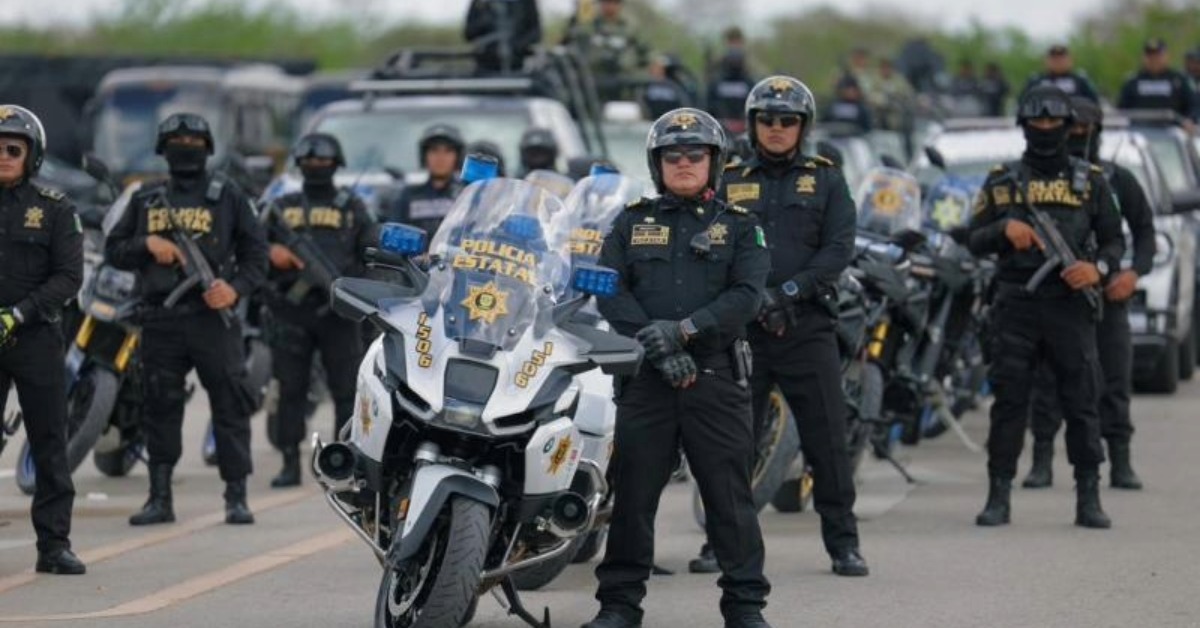
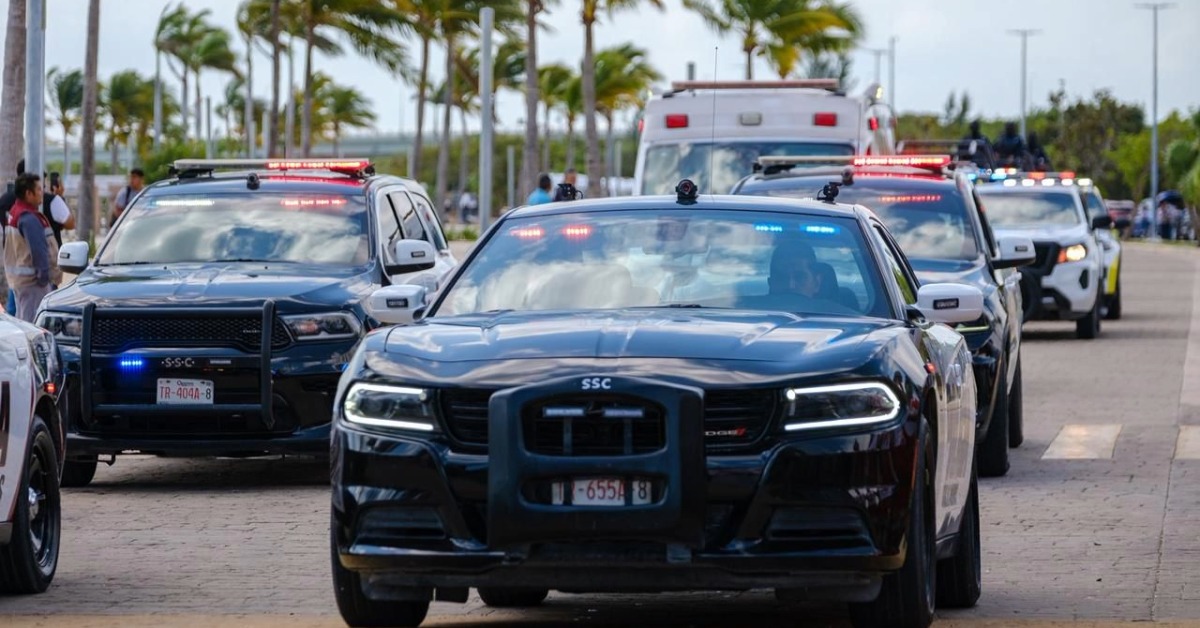
The response began Sunday night after relatives and witnesses lost sight of the victim in the surf. Municipal emergency teams, state security personnel, and maritime authorities joined the operation. By Monday morning, the body had been located, and the case moved into the standard forensic process. Officials also said they remained in contact with the family. The core facts are stark. A person entered the water, the current took control, and even a coordinated search could not reverse what happened.
Why this matters during the holiday season
That is the wider context behind this story. Playa del Carmen is a beach city with heavy visitor traffic. This incident occurred as the Semana Santa period began. State authorities had already launched a holiday security and emergency operation across Quintana Roo. Beach areas were among the places receiving special attention. The tragedy landed just as more visitors were heading to the coast, many of them unfamiliar with local conditions.
For residents, the warning system is familiar. For short-term visitors, it often is not. Many travelers judge the sea by sight alone. If the water looks manageable from the sand, they assume the risk is low. But local authorities use flag warnings for a reason. A beach can look calm from shore and still have a strong pull. It can also have uneven surf or currents that make getting out much harder than getting in. That matters even more in places where confidence can replace caution very quickly.
What the red flag is supposed to tell people
In Quintana Roo, the flag system is simple, but it only works when people respect it. Green signals safer conditions. Yellow means caution. Red means conditions are dangerous, and people should not enter the sea. That point was repeated again after this death. On many beaches, visitors still treat a red flag as advice rather than a stop warning. That misunderstanding can turn deadly.
Local reporting on this case said the sea was under red-flag conditions when the young man entered the water. Separate guidance issued in Quintana Roo on Monday repeated the same message. A red flag points to strong currents or rough surf and means staying out of the water. Municipal weather guidance for Playa del Carmen also warned of stronger winds and changing conditions. None of that explains every drowning on its own. It does help explain why the sea can be less predictable than it appears from the beach.
Why rescue gets harder after dark
This case also shows how fast a beach emergency can move beyond the point of recovery. Once visibility falls, search conditions change immediately. Waves hide movement. Distances become harder to judge. People on shore can no longer track exactly where someone disappeared. Even when authorities respond quickly, the water does not pause while crews arrive. In Playa del Carmen, the search continued overnight, and officials said conditions complicated the operation until daylight.
For international readers, this is an important part of the Mexico beach story that is often overlooked. Rescue presence does not mean rescue certainty. A city can have Protection Civil, police, marine support, and aircraft in the air. It can still lose the race against the current, darkness, and shifting water. That is why local officials place so much emphasis on prevention. By the time a person is visibly in trouble offshore, the margin for a safe outcome may already be very small.
The bigger lesson for visitors and expats
There is no sign in the available reporting that this incident was caused by a broad failure of emergency response. The picture that emerges is familiar. Dangerous water. A person in the sea. A narrow window that closed fast. That distinction matters because it shifts the lesson away from blame and toward behavior. In beach destinations like Playa del Carmen, the first line of defense remains personal judgment. Red flags, lifeguard instructions, and changing surf are not background details. They are the main story before anything goes wrong.
For expats and foreign visitors living in Mexico, that lesson is worth stating plainly. A red flag is not part of the beach scenery. It is a warning from local authorities that conditions could put lives at risk. Entering the water at night, swimming alone, or underestimating currents can quickly narrow your options. So, can we assume that a busy tourist beach is automatically safe? This death will likely be remembered as one more holiday tragedy. It should also be read as a reminder that the Caribbean coast can be beautiful, crowded, and dangerous at once.