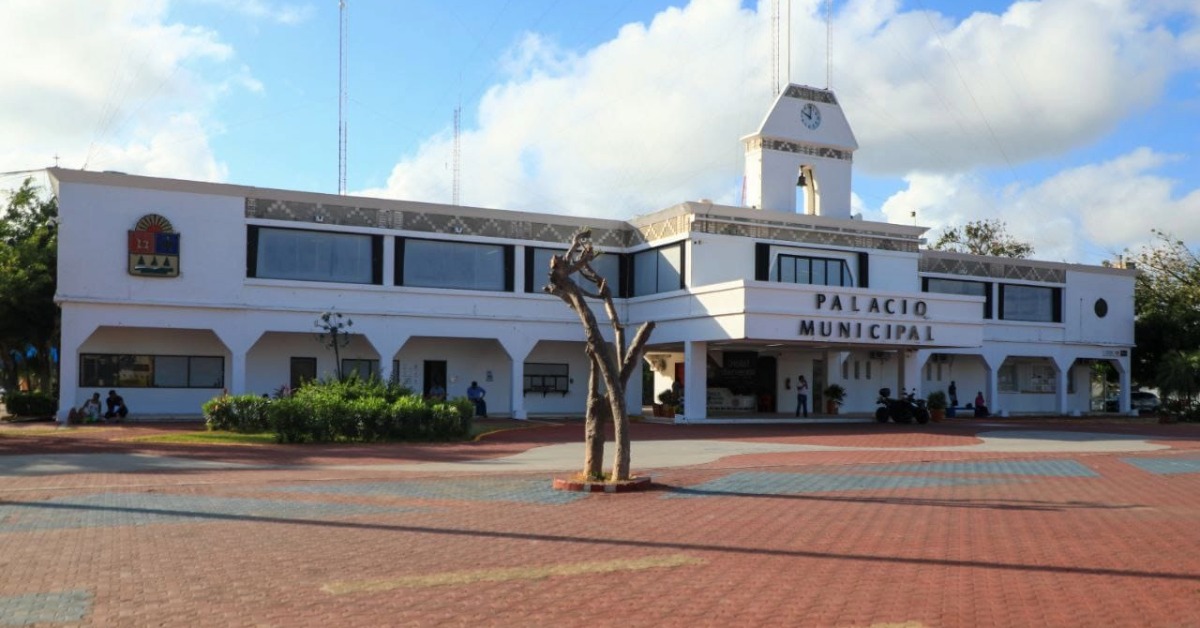
A delay at city hall has opened a larger question about who gets to shape Playa del Carmen’s future. Officials say they need more time to answer the comments filed during the public review of the new urban development program. That sounds procedural, but the stakes are wider. The plan will influence what can be built, where growth is directed, how environmental concerns are handled, and whether residents trust the process before new rules take effect.
Playa del Carmen officials have pushed back debate in the Cabildo, or city council, on the city’s new urban development program by at least a month and a half. The draft had been expected to reach the council on March 27. Instead, officials say they still need more time to answer the large number of comments filed during the public consultation. The delay turns a procedural step into a broader dispute over growth, land use, and environmental pressure.
According to city officials, the holdup is due to the need to respond to residents who participated in the review. Some objections focus on irregular settlements in the north of the city, where a proposed road has raised concerns over possible relocations. Others center on medians and proposed linear parks. Those disputes show why the issue is larger than one council vote. The argument reaches roads, neighborhoods, public spaces, and future development rights.
Why the plan matters now
For readers outside local planning circles, the PDU is the city’s rulebook for what can be built and where. It helps define density, land uses, roads, public space, and the legal conditions for development. In practical terms, it can affect what rises near homes, how traffic is distributed, where services expand, and what areas stay protected. That is why a delay in the document matters to residents, renters, property owners, and business operators.
The timing also matters because Quintana Roo’s state urban planning registry still lists Playa del Carmen’s operative center-of-population plan as the 2010 version. City officials have described the new draft as a 30-year roadmap. They say it is designed to bring clear rules, mobility planning, more public space, and more orderly growth. That makes it one of the most important local policy documents now moving through City Hall.
Officials say the update did not emerge overnight. The process began in June 2025 and included 27 workshops and 16 institutional roundtables. City officials say the draft seeks to reduce sprawl, address urban voids, and manage growth toward the west of the city. They also say it is meant to protect green areas and underground rivers, while adding parks and making better use of existing infrastructure.
But resistance also surfaced early. During the first consultation meetings, environmental voices said the process lacked enough detail. They argued residents needed clearer explanations of what was changing, what had been removed, and what environmental effects were still unresolved. That helps explain why the city is now spending more time on written responses. The consultation did not just gather comments. It also exposed how much disagreement still surrounds the plan.
What the delay says about Playa del Carmen’s growth debate
At its core, this is a contest over who gets to shape Playa del Carmen’s next phase. Officials present the draft as a tool for order, sustainability, and legal certainty. Critics question transparency, environmental safeguards, and the real effects of new roads or zoning changes. Earlier municipal work on the update identified more than 1,500 hectares of urban voids and 12,862 hectares tied to irregular settlements. Those figures show why the document carries political weight. It deals with existing neighborhoods, not only future projects.
For many international readers, that may sound technical. It is not. A plan like this can shape construction intensity, public space, mobility projects, and the use of nearby land. It can influence whether growth is absorbed inside the existing city or pushed farther outward. It can also affect residents’ confidence in the rules that govern future projects. A delayed vote does not answer those questions. It only extends the period of uncertainty.
What comes next
The next step is for officials to complete their responses to the objections and adjust the draft as needed. Only then will the document return to Cabildo for debate. That means the fight over Playa del Carmen’s urban development program is not over. It is moving into a more detailed stage, where each observation could leave a mark on the final text. For a city still defining its future footprint, that stage may be slow, but it is also the point of the process.