Playa del Carmen is moving closer to a new public transport model, but the changes are still on paper. Officials are reviewing potential MOBI routes and identifying neighborhoods that still lack service. They are also deciding how the city could fit into the state’s broader plan. The process could reshape daily trips for workers, students, and residents across a fast-growing city. For now, the questions are practical. Which areas would gain service first, and when would the city formally sign on?
Playa del Carmen is studying routes, not launching them yet
Playa del Carmen officials are studying possible MOBI routes. At the same time, the city is weighing whether to join a broader state transport plan. The immediate goal is simple. Officials want to extend service into neighborhoods that still have weak or no urban transport coverage. This is still a planning story, not a rollout story. No final route map has been announced. No existing route has been suspended for MOBI. Current buses and colectivos are still operating while the city reviews options.
Municipal transport director Nayeli Molina said the planning process includes technical input from Transportes Urbanos del Carmen (TUCSA) and from colectivos affiliated with the Lázaro Cárdenas del Río taxi union. She also said the city has expanded service in some areas as demand has grown. One recent example is El Edén. Officials are also reviewing whether coverage should extend toward Palmas II. The study now underway will help decide which routes should be expanded, which may need adjustment, and which could eventually be shortened.
What MOBI is supposed to change
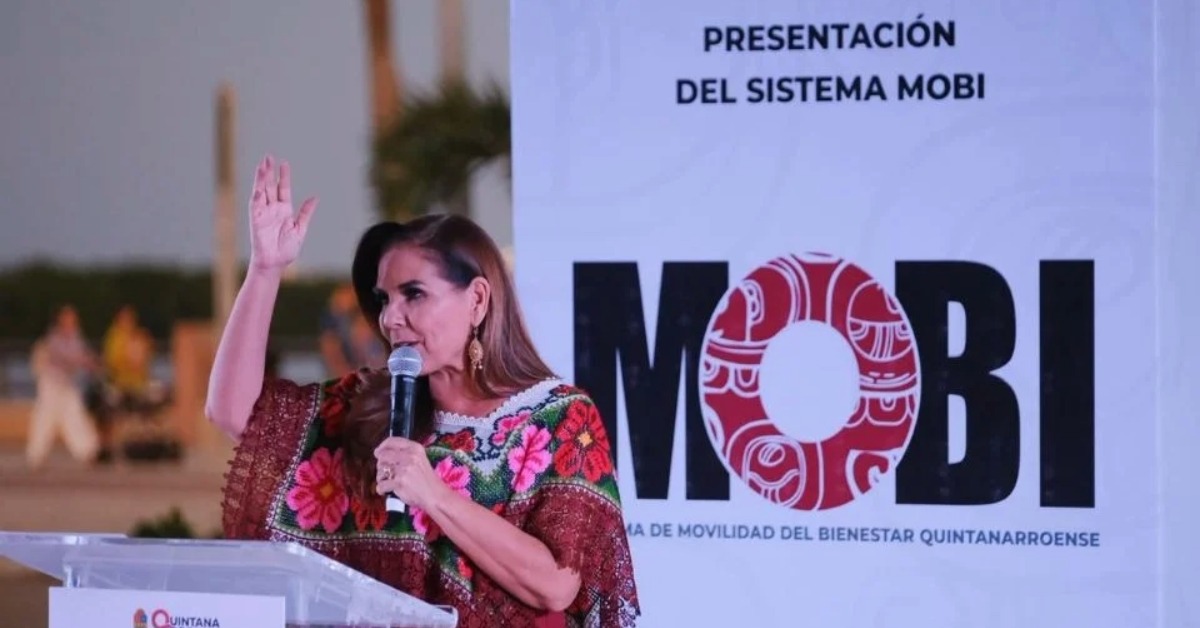
For many readers, the key point is that MOBI is bigger than one new bus line. It is part of the proposed Sistema de Movilidad del Bienestar Quintanarroense. The reform was approved by the state congress on March 4, 2026. State and municipal officials have described it as a move away from a fragmented system. They say it would create one that is more planned, supervised, and financially stable.
Under the proposal, municipalities would still decide whether to sign voluntary agreements with the state. In Playa del Carmen, that decision still rests with the Cabildo, or city council. Local officials have said the plan could bring wider route coverage, better coordination, and social fares for students, people with disabilities, and other vulnerable groups. Officials have also said the model could add electronic payment and allow transfers with one fare. That would be a major practical change for daily riders.
Why this matters in Playa del Carmen
This debate is not only about bureaucracy. It reflects a city that has grown faster than its transport network. Local officials have said the current concession system no longer covers all mobility needs. In a city like Playa del Carmen, that gap affects daily life far beyond the tourist core. It affects workers heading to hotels, students traveling across town, and residents in outer neighborhoods who often face long, uneven commutes.
That context matters for international readers too. Many people know Playa del Carmen through the beach, the hotel zone, or Fifth Avenue. The transport debate is really about neighborhoods farther from that postcard image. When service does not reach those areas well, trips become slower, more expensive, and less predictable. That is why the city is studying demand before naming routes. Officials appear to be trying to avoid a system that looks good on paper but fails in practice.
What happens next
The next step is political as much as technical. The city must finish its route analysis, and the Cabildo must decide whether to ratify the scheme and sign the agreements needed for implementation. Until that happens, MOBI remains a project under review in Playa del Carmen. Officials have stressed that current services will continue during this stage. That matters because riders often worry that reform means sudden disruption. So far, officials are saying the opposite.
The larger question is whether the city can turn a long-running complaint into a workable network. Playa del Carmen has spent years reacting to growth one route at a time. MOBI is being presented as a chance to plan the network as a whole. That could mean better coverage and easier transfers. It could also mean a more formal role for technology and tighter coordination between the state and municipalities. For now, the clearest takeaway is modest. The city is still mapping the problem before it promises a solution.
With information from Noticaribe, H. Ayuntamiento de Playa del Carmen