A morning beach check may soon become part of daily life in Playa del Carmen. City officials say a new sargazómetro will show which beaches have more or less sargassum. The update will also track barrier work and cleanup staffing. The move comes as authorities respond early to a season already in the making. For residents and visitors, the bigger appeal is practical. The city wants to provide beach information that people can use before they head to the water.
A more practical beach update
For residents, repeat visitors, and anyone planning a beach day, the daily sargazómetro is built around one question. Which beach looks better this morning? Municipal officials said the update will start on Monday, March 9. They said it should appear early each morning, around 7 or 7:30. The city plans to publish it on its official website. It will also appear on the municipal environment secretariat’s portal. The point is simple and practical. Instead of guessing at sargassum conditions across the whole destination, readers will see a beach-by-beach update. That matters in Playa del Carmen, where one stretch of sand can look very different from another. It is designed to reduce uncertainty before people leave home. The city used similar sargassum traffic-light updates in 2024. Now officials are presenting the tool as part of a wider daily response for 2026. For international residents and visitors, this turns a public notice into a planning tool.
Why the city is moving now
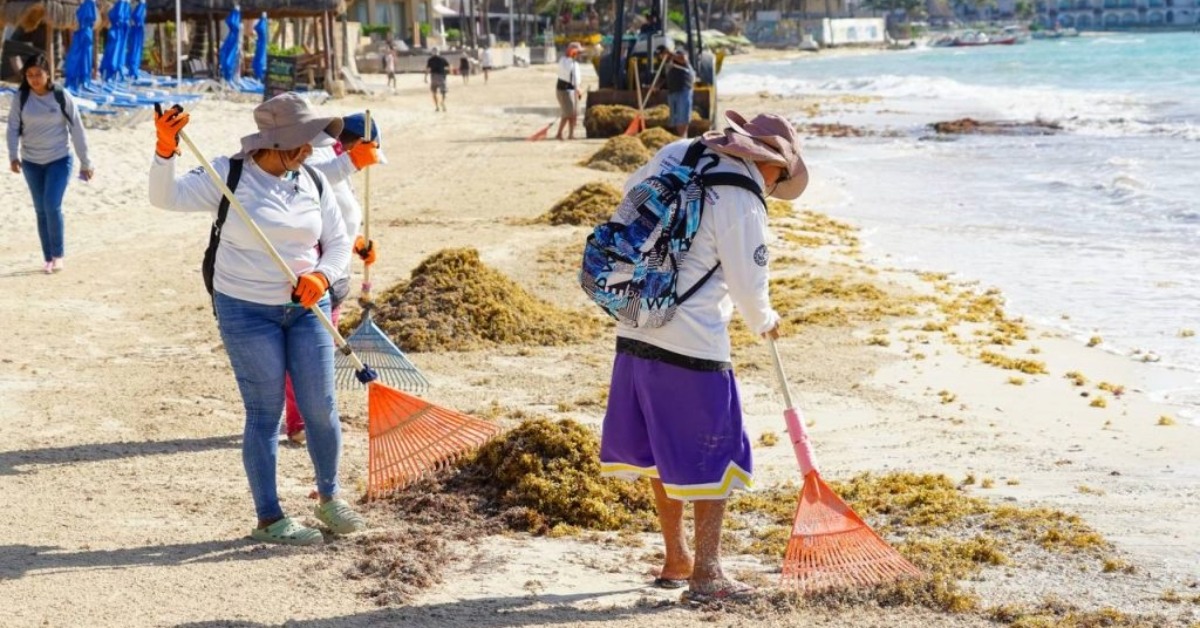
The tracker is arriving as Playa del Carmen pushes for an early response to a season already in the works. In February, municipal officials said the city had expanded its anti-sargassum barrier coverage from 2.5 to five kilometers. The protected stretch runs from Playa Cisne to Punta Esmeralda. Officials also said monitoring would continue every day. That work includes support from the Navy, the state government, researchers, and field inspections. By mid-February, the municipality said it had already collected 1,288 tons of sargassum in 2026. That was before March even began. At the state level, Quintana Roo reported 4,558 tons collected so far this year. State officials also said more intensive beach work would begin in March. That helps explain why the city wants a public-facing tool now. The challenge is no longer a seasonal warning. It is already visible on the coast. Officials are trying to make the response easier for locals and visitors to follow.
Barriers, cleanup crews, and what readers should expect
The new tracker also sits inside a broader municipal effort. Officials said the anchoring of the barrier system is about 70 percent complete. They said the full plan covers five kilometers through federal and municipal installations. Officials also reported 30 open jobs for sargassum cleanup workers. They said another hiring round could follow if the arrivals worsen. Some hotels and condominiums in the southern zone have shown interest in linking private barriers to the main system. That could extend protection farther down the coast. None of this means sargassum will disappear from Playa del Carmen. It means the city wants to contain more of it. It also wants to remove it faster. Just as important, it wants to tell the public what conditions look like in real time. For readers, that may be the most useful change. Regional monitoring shows the wider trend. A local sargazómetro answers the more immediate question of whether your planned beach is the best one that day.
With information from H. Ayuntamiento de Playa del Carmen, Gobierno del Estado de Quintana Roo, Secretaría de Marina