A new line of anti-sargassum barriers is moving toward Punta Esmeralda as the 2026 season ramps up. A local environmental advocate says a federal impact study is missing, and that the timing overlaps with turtle nesting. City officials describe a wider plan to keep sargassum offshore, with daily monitoring and new collection targets. But questions remain about permits, on-water supervision, and what happens if turtles encounter the mesh. This update explains what is confirmed, what is claimed, and what to watch next.
Barriers extend toward Punta Esmeralda
Municipal crews and the Mexican Navy are expanding anti-sargassum barriers along the Playa del Carmen coast, with coverage planned from Playa Cisne to Punta Esmeralda. The city says the 2026 plan includes five kilometers of floating barriers, daily satellite tracking, and coordinated offshore collection. It says coverage is expanding from 2.5 to five kilometers. Officials say more than 30,000 tonnes were collected in 2025. They also reported 1,288 tonnes collected before March 2026. Against that backdrop, environmental advocate Carlos Jiménez Arreola is seeking a federal Manifestación de Impacto Ambiental (MIA) before barriers are placed in the water near Punta Esmeralda. He raised the issue publicly on March 3, 2026. He points to beaches known locally as Playa 72, Playa 88, and Punta Esmeralda as turtle nesting fronts. He argues the area is used by sea turtles and that installations should be backed by studies and monitoring. In his account, placing the system without a formal assessment increases risk for marine wildlife. He says the mesh, anchoring, and daily handling rules can determine whether animals pass safely or get trapped. He is urging authorities to consult specialists and publish the technical basis for placement and operation.
Turtle nesting season adds a second deadline
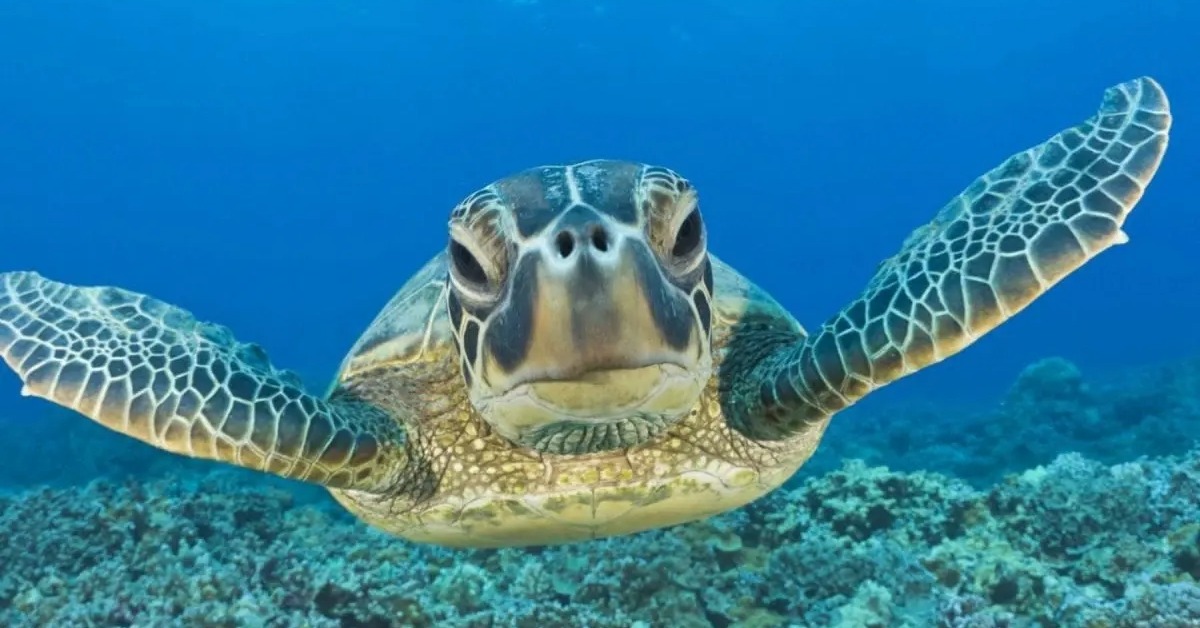
Punta Esmeralda sits on a coastline where turtle nesting is monitored each year. The nesting season typically starts in spring in this region. Local authorities have said the first loggerhead nest can appear as early as April. That start triggers monitoring and protection steps on shore. Research in Quintana Roo links heavy sargassum buildup to nesting stress. Some clean-up methods can also reduce hatching success. Field teams report that hatchlings can face longer trips to the sea. Researchers also warn that nearshore obstacles can disrupt the exchange of material between sand and water. Jiménez Arreola says containment systems can tangle turtles or block females from reaching sand. He also cites an onshore pressure point linked to dogs on the beach. He says more than 15 nests in the area were not adequately protected in 2025. He worries new infrastructure could complicate patrols and emergency response. He says dolphins and other species also feed in the same nearshore waters. His point is that barrier design and supervision matter during nesting periods.
What an MIA would test and document
In Mexico, a Manifestación de Impacto Ambiental (MIA) is the document used in the federal environmental impact assessment process. The review is handled by SEMARNAT, the federal environment ministry. The evaluation is designed to predict significant effects and set conditions to avoid or reduce harm. Guidance used by federal reviewers calls for a baseline description of the area. It also compares conditions with and without the project, using measurable indicators. For nearshore infrastructure, a study can map sensitive habitats and seasonal changes. It can also document species presence that affects collision or entanglement risk. For anti-sargassum barriers, an assessment could review where anchors are placed and how the mesh is handled. It could set requirements for openings and daily checks. It could also require a rapid response when animals are detected. Jiménez Arreola is asking for that type of review before the system remains near turtle nesting beaches. Supporters of barriers argue they can reduce shoreline buildup and limit heavy machinery on sand. Those beach methods can compact sand and disrupt nests. The debate now centers on whether safeguards are documented, public, and enforceable.
What is still unclear for 2026
For now, the public question is whether a federal impact file exists for the Punta Esmeralda stretch, and if so, what it requires. The city’s 2026 sargassum strategy describes expanded barrier coverage and offshore operations led by the Mexican Navy. It also describes daily monitoring with UNAM, Conabio, and other partners. It describes beach-by-beach status updates. It does not, in the public summary, spell out an MIA for each segment or the conditions attached to permits. Jiménez Arreola says the absence of studies and independent monitoring leaves gaps as nesting activity increases. A clear operating plan could address both goals. It could keep sargassum off the sand while allowing sea turtles to move without obstacles. Residents and visitors can also reduce onshore stress by following posted turtle rules. That includes limiting nighttime lighting facing the beach and keeping pets away from marked nests. Local authorities have asked beachgoers to report turtle sightings or nesting activity through emergency lines. Trained staff can then respond and protect eggs and hatchlings. With higher sargassum volumes expected again in 2026, the next few weeks may show whether the system runs with documented safeguards.