Playa del Carmen is not signing onto MOBI yet, but the question is now official. After Congress approved Quintana Roo’s new mobility reform, local officials said the city will study whether the state-backed model makes sense for a destination growing faster than its current routes can handle. The decision could affect coverage, fares, payment methods, and how people move across town. What remains unresolved is how much would change, how fast it could happen, and how much control the municipality would keep.
A decision that is not final
Playa del Carmen is not committing to MOBI yet. Local officials say the municipality will review the option after Quintana Roo’s Congress approved the reform on March 4. Secretary General Luis Herrera Quiam said the measure now moves to municipal councils. After that, it returns to Congress for final ratification. He also rejected claims that the reform automatically strips municipalities of authority over public transit. Under the city’s reading, each municipality would still decide whether to sign an agreement with the state. That agreement would allow the operation of a mass or integrated transit system. That distinction matters in Playa del Carmen, where growth has outpaced the current concession model. Herrera Quiam said the existing network no longer covers the full demand created by the city’s expansion. For a destination with growing neighborhoods, a large service workforce, and steady visitor movement, the debate is bigger than routes alone. The question is whether the city continues to adjust a fragmented network or shifts toward a broader state-backed framework.
What MOBI could change
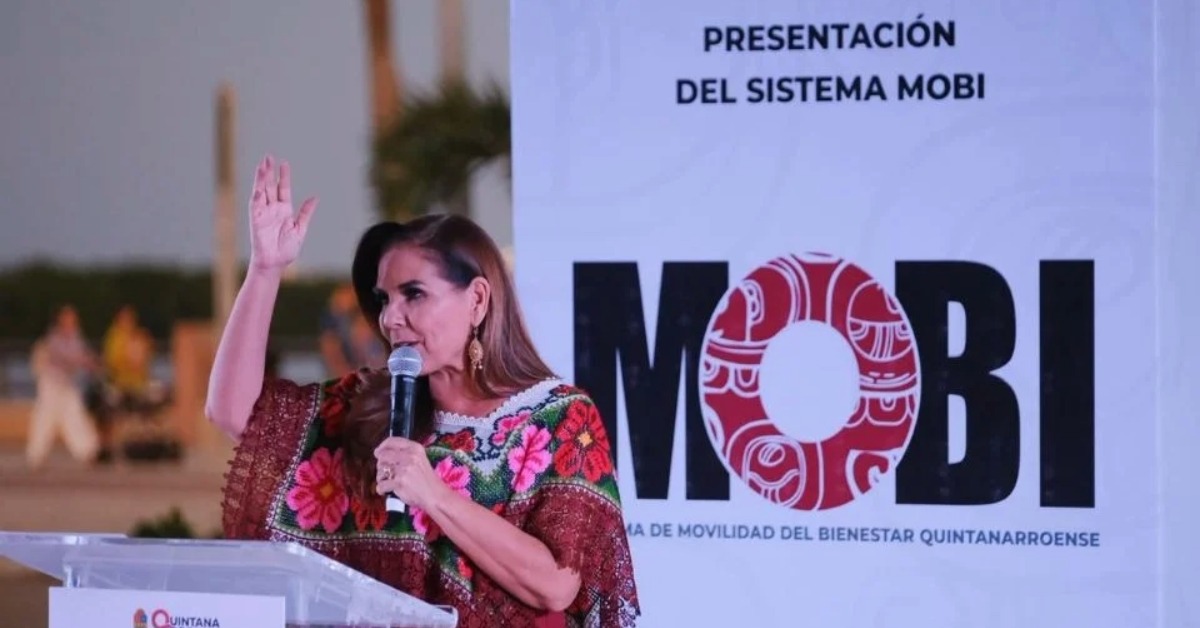
The promise behind MOBI, short for the Sistema de Movilidad del Bienestar Quintanarroense, is a more integrated form of public transit. The state’s reform describes a system built around planned routes, wider coverage, constant supervision, and digital tools. Those tools include electronic payment and real-time service information. In Playa del Carmen, Herrera Quiam said one immediate gain would be service in zones the current network still misses. Local reporting over the past few months shows the city has already shared route and schedule information with the state. At the same time, municipal officials are still managing the present system. This week, the city began mechanical inspections on 77 route vehicles. Two more units are also seeking to return after failing a previous review. That snapshot helps explain why the debate is moving now. The current network is still being maintained, but the broader policy goal is to move beyond fragmented service. The reform also opens the door to social fares for students, people with disabilities, and other vulnerable groups. It also contemplates transfers under a single payment.
Why the timeline is still open
The biggest unanswered question is timing. State officials presented MOBI as a voluntary coordination model, not an automatic takeover. That means Cabildo review is not a formality for Playa del Carmen. It is the point at which the city will decide whether the system aligns with local priorities. The issue has been building for months. In late 2025, municipal transport officials said studies were already underway. At the time, they suggested a first phase could arrive in 2026. Even so, as of March 5, the city remains in the evaluation stage. That leaves several practical questions open. Which routes would change first, how quickly electronic payment could be introduced, and what fare structure would follow are still unsettled. So is the division of responsibilities between state and local authorities. For daily riders, the reform offers the possibility of a more predictable network. For employers and workers, it could improve movement across a city that keeps stretching outward. But the immediate headline is narrower than the promise. Playa del Carmen will study MOBI, and the final decision remains to be made.
With information from Coordinación General de Comunicación del Gobierno de Quintana Roo