Six real-estate projects on Mexico’s East Cape were ordered to stop work after federal inspectors found missing environmental paperwork. The closures fall inside and near Cabo Pulmo National Park, where development has long drawn scrutiny. Officials say fences, walls, and land clearing were already underway when teams arrived. The next moves hinge on what owners can present in the coming days. Regulators can keep closures in place, open sanction proceedings, and even seek site restoration.
Closures follow complaints in the Cabo Pulmo zone
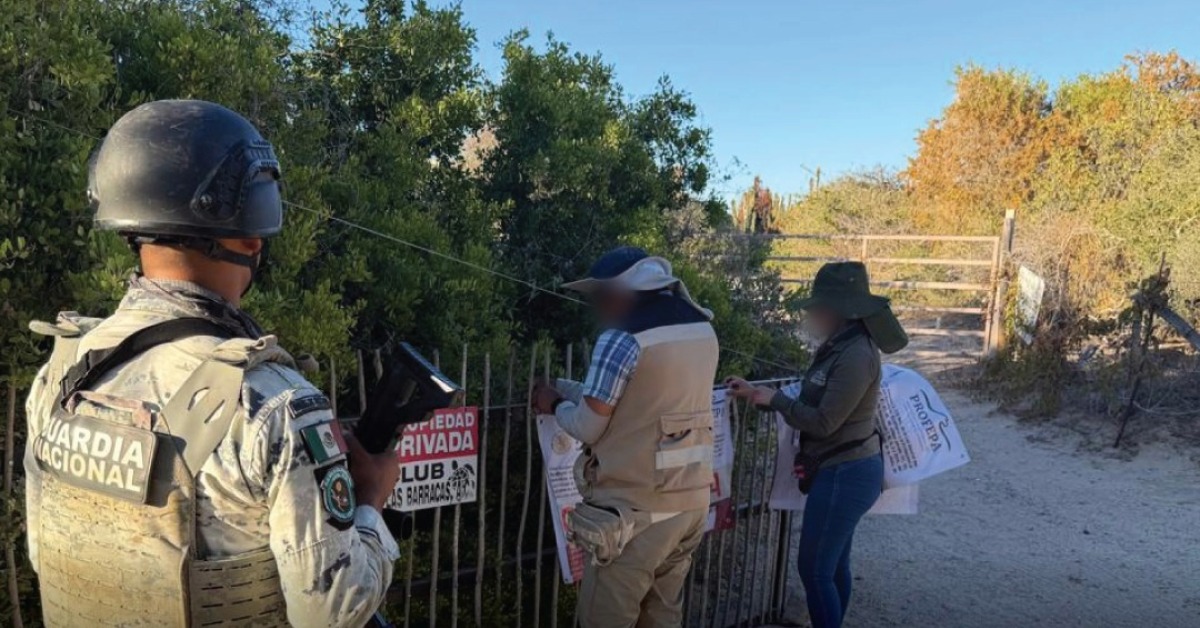
Federal inspectors with Profepa ordered work stopped at six real-estate sites in and around Cabo Pulmo National Park. Profepa is the federal agency that enforces environmental law. The action followed an inspection sweep in Los Cabos, Baja California Sur, between February 16 and February 25. The agency said it responded to citizen complaints about changes along the coast. Inspectors visited eight properties and imposed six temporary total closures. The closed sites were The Last Place (1.19 hectares) and La Ribera (1.12). They also included Costa Coral (24.9 hectares) and an unnamed tract of 15.7 hectares. Club de Playa Las Barracas (14.2 hectares) and a fenced lot of about 0.23 hectares were also sealed. Officials said they found active construction and new perimeter fencing at the sites. They also reported land clearing and land-use change on forest land with matorral sarcocaule vegetation. The agency said no federal environmental impact authorization was presented during the visits.
Why missing federal permits matter here
In Mexico, projects that can affect the environment may need a Manifestación de Impacto Ambiental (MIA). Semarnat (the federal environment ministry) reviews the study and issues the authorization. Profepa can enforce compliance and stop works when approvals are missing. Cabo Pulmo’s status raises the bar for approvals. The national park protects the only living coral reef system in the Gulf of California. The area is also listed under UNESCO World Heritage and the Ramsar wetlands treaty. Officials said the six sites did not show a federal impact authorization during inspection. They also cited signs of forest land-use change, which can trigger separate federal permits. Inspectors stressed that land works can affect the marine zone. Soil removal and new surfaces can increase runoff during rains. Runoff can change water clarity and carry sediment toward the reef. For residents and visitors, the core issue is procedural but consequential. Without the required federal authorization, construction can be halted even if local permits exist.
Cabo Pulmo’s protections and a history of disputes
Cabo Pulmo sits on the East Cape, about 100 kilometers north of Cabo San Lucas. The park was decreed on June 6, 1995, and covers about 7,111 hectares of marine and land area. It has become a reference point for Mexico’s marine protection policy. Fishing restrictions and tourism rules are central to its management. Local operators depend on reef health for diving and snorkeling trips, while nearby communities rely on stable visitation. That balance has made permitting disputes highly visible. In 2012, federal authorities revoked the environmental authorization for the proposed Cabo Cortés mega-resort, after warnings about potential impacts near the park. Since then, conservation groups and residents have pressed for tighter oversight of projects on the surrounding coastline. The latest closures show that scrutiny extends beyond the waterline. Officials framed the terrestrial footprint as part of the park’s wider risk picture. For many observers, the test is whether enforcement continues after the seals go up.
What happens next for the projects
Profepa said the inspected parties have five business days to submit documents and arguments for the record. The agency will then review what is presented and decide whether to keep the closures, apply fines, or open further proceedings. It also said it can order measures to restore affected areas when warranted. Two of the eight inspected sites did not show federal-jurisdiction works, so inspectors only recorded findings there. For Los Cabos, the action is a reminder that coastal development can face federal review, even outside the park’s strict core. For expat readers looking at property, the practical takeaway is to verify the permit chain. Municipal construction papers are not the same as federal environmental authorizations. If a project lies inside or near protected polygons, missing approvals can halt works and extend timelines. The closures also signal closer attention to land clearing, not only buildings. That focus can shape how future projects are designed, phased, and marketed.