A tourist’s death off Playa de Oro is now a public safety story, not only an accident report. The visitor from Guadalajara died after an apparent parachute failure during a jump near Puerto Vallarta. Authorities have opened an investigation, but the larger issue is already clear. In a city that sells high-risk experiences alongside beach vacations, a fatal jump raises broader questions about oversight, operator responsibility, and what visitors can reasonably expect before boarding an aircraft for a paid adventure.
A death that shifts the focus
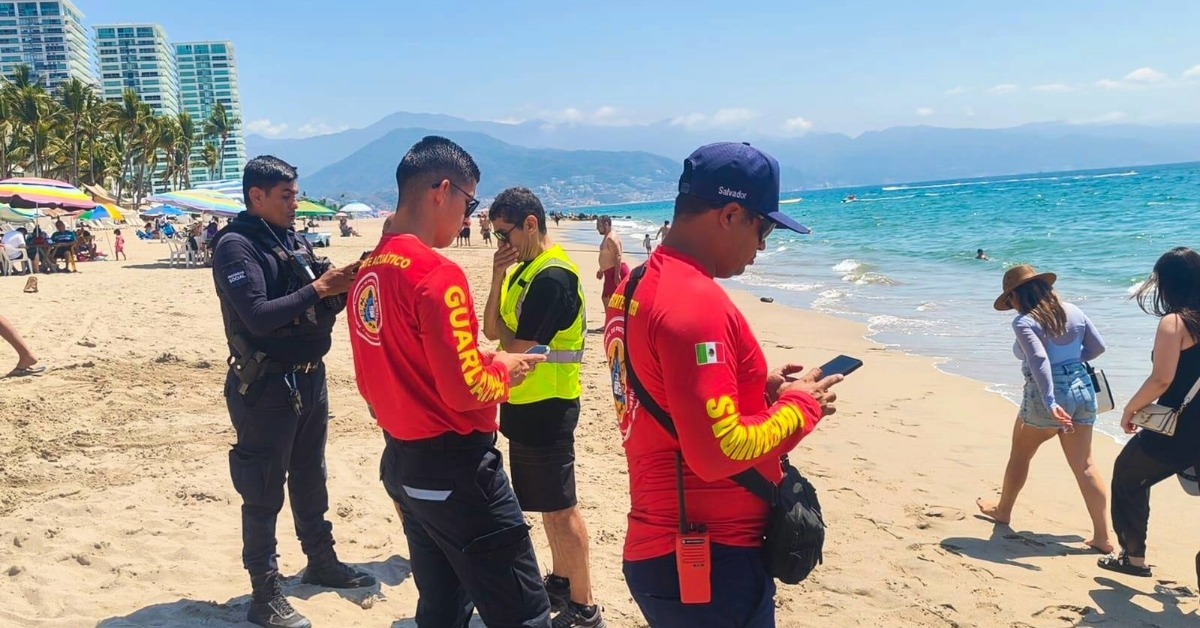
Thursday’s fatal jump off Playa de Oro quickly became more than an accident report. A visitor from Guadalajara, identified as José Fernando, died after his parachute apparently failed to open during a jump off Puerto Vallarta. Rescue crews reached the area after the fall was reported around midafternoon. They found him in the water offshore, without signs of life.
By evening, the case had been handed over to state prosecutors. That shift matters. Once prosecutors step in, the focus changes from response to accountability. The question is no longer only how a tourist died. It is also whether a paid high-risk activity was operating with the safeguards that travelers are told to expect.
What investigators now need to answer
The first task is simple in theory and difficult in practice. Investigators need to determine what failed. Was there a problem with the parachute system, the jump sequence, the pre-jump inspection, or a condition during the flight itself? They will also need to review who supervised the jump, what instructions were given, and whether the operator followed required procedures before takeoff.
Those answers matter because public descriptions of these experiences usually focus on speed, views, and ease. They say far less about how risk is managed once a visitor boards the aircraft. In cases like this, investigators often examine the gap between the sales promise and the safety record. That is often where legal responsibility starts to take shape.
Why this matters beyond one accident
This death also comes at a sensitive moment for Puerto Vallarta. The city is entering the Semana Santa holiday period, when beaches, excursions, and emergency services all face heavier demand. Authorities began the seasonal safety operation the same day. That makes the case harder to dismiss as a private mishap. It touches a broader public promise that tourism here is not only attractive, but properly supervised.
Mexico already has a formal framework for adventure tourism. Operators are expected to be registered and to meet national safety rules. On paper, that sounds clear. In practice, oversight is only as strong as inspections, enforcement, and the willingness to stop unsafe activity before an accident happens. That is why this story is likely to remain important after the recovery itself. The investigation will determine not only what happened in the air, but whether warning signs existed on the ground.
For many international readers, Puerto Vallarta feels familiar and easy to navigate. That can create a false sense that every activity sold in a resort city carries the same level of control. This case is a reminder that there are layers of responsibility behind every high-risk excursion. The next step is not more speculation. It is a clear public account of what failed, who was responsible for safety checks, and whether authorities found any breach that could have prevented the death.
With information from Skydive Vallarta, SECTUR, Diario Oficial de la Federación
Deep Dive:
Jalisco tightens beach safety in Puerto Vallarta for Easter
Skydiver rescued after getting stuck in Puerto Vallarta palm tree
Tourist Flies Out of Control After Parasailing Cable Breaks in Puerto Vallarta