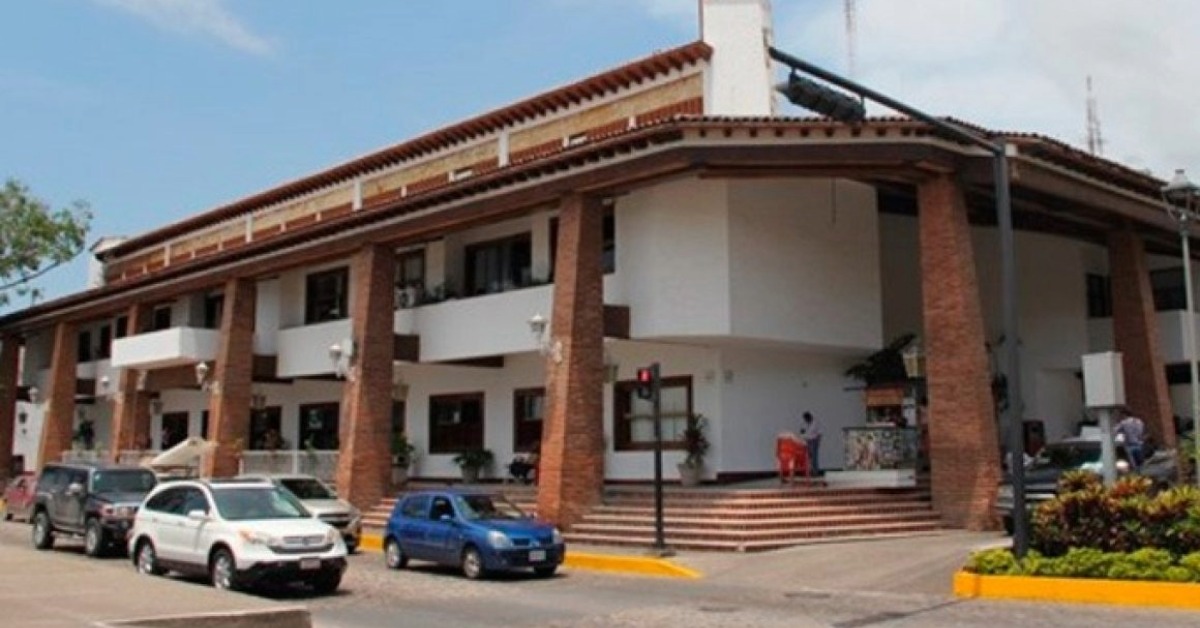
Puerto Vallarta’s latest financing push is bigger than one headline number. City Hall wants new borrowing for public works, Seapal Vallarta wants separate credit for water and sewer upgrades, and the city is also trying to rework existing debt. The issue now is not only whether the projects are needed. It is also about how the package is structured, what Congress must approve, and what the final terms could mean for future budgets in a fast-growing city.
A bigger financing package than one number suggests
Puerto Vallarta is not seeking a single loan. It is pursuing three financial moves simultaneously. The municipal government wants about 181 million pesos for 21 public works projects. Seapal Vallarta, the city’s public water and sewer utility, wants about 144.5 million pesos for 14 hydraulic works. On top of that, the city wants to refinance about 312.5 million pesos in existing debt. None of it is final yet because the package still requires action in the Jalisco Congress.
The two new borrowing requests are not identical. The city’s proposed financing would run for up to 15 years. The Seapal request would run for up to 10 years. That difference matters because the borrowing is tied to different project types and different repayment windows. It also means readers should not think of the package as a single debt decision with a single purpose and a single timeline.
Why refinancing is a separate question
The refinancing request is not the same as requesting new money for new construction. In simple terms, refinancing means replacing older debt with new terms. Governments do this to change payment schedules, interest costs, or loan length. That can ease short-term pressure, but it does not erase the obligation. In Puerto Vallarta’s case, the refinancing proposal covers three existing municipal loans, while the city also seeks room for new borrowing.
The official filing also allows the municipality to back the plan with part of its federal revenue participations. That matters because those transfers are part of the money local governments rely on each year. The documents reviewed for this case do not lock in a final lender or final rate. They set borrowing ceilings and outline a process to seek competing offers from financial institutions. That means the real long-term cost will only become clear if Congress approves the package and final terms are signed.
What the money is supposed to fund
On the city side, the project list centers on visible infrastructure. It includes works on Avenida México, sections of Avenida Federación, Parque Lineal Ixtapa, a pedestrian bridge in Pitillal, and paving or street upgrades in several neighborhoods. For residents, these are the kinds of projects that can be seen and measured. They also speak to a broader problem in Puerto Vallarta, where growth has put more pressure on roads, crossings, and urban mobility.
The Seapal portion is less visible at first glance, but it may matter just as much in daily life. The list includes water line replacements in Mismaloya and El Coapinole, a new tank in Ramblases, works in Brisas Ixtapa, and rehabilitation at wastewater plants in Las Palmas and North I. In a city that depends on both residents and visitors, water, drainage, and sanitation projects often shape service reliability long before they become a political issue.
How the request reached Congress
This borrowing effort did not begin this month. Puerto Vallarta’s city council first approved the financing route in February 2025. The package was later modified in January 2026. It now appears in the review process of the Commission of Finance and Budget in the Jalisco Congress. That step is important because local approval alone is not enough for this type of borrowing. Under Mexico’s fiscal discipline rules, state lawmakers must authorize the maximum amounts after reviewing payment capacity.
For readers trying to judge the issue, the main question is not only whether the projects are needed. It is whether the borrowing terms are reasonable, how long the city would remain committed, and whether the promised works arrive on time. Puerto Vallarta is seeking room to spend on infrastructure now while also restructuring part of its old debt. The outcome in Congress will determine whether that plan moves from paper to financing contracts.