A federal strike meant to end one of Mexico’s most wanted hunts instead set off a chain reaction across Jalisco. Within hours, burned vehicles and blocked highways began cutting off key corridors, while shopping districts and public transport in Puerto Vallarta shifted into shutdown mode. Online footage put a familiar landmark—Costco—at the center of the panic, but early details stayed murky and fast-changing. With Guadalajara on the clock as a 2026 World Cup host, the day’s images raised a sharper question: what happens next, and how quickly can normal life resume?
Operation in Tapalpa and an immediate backlash
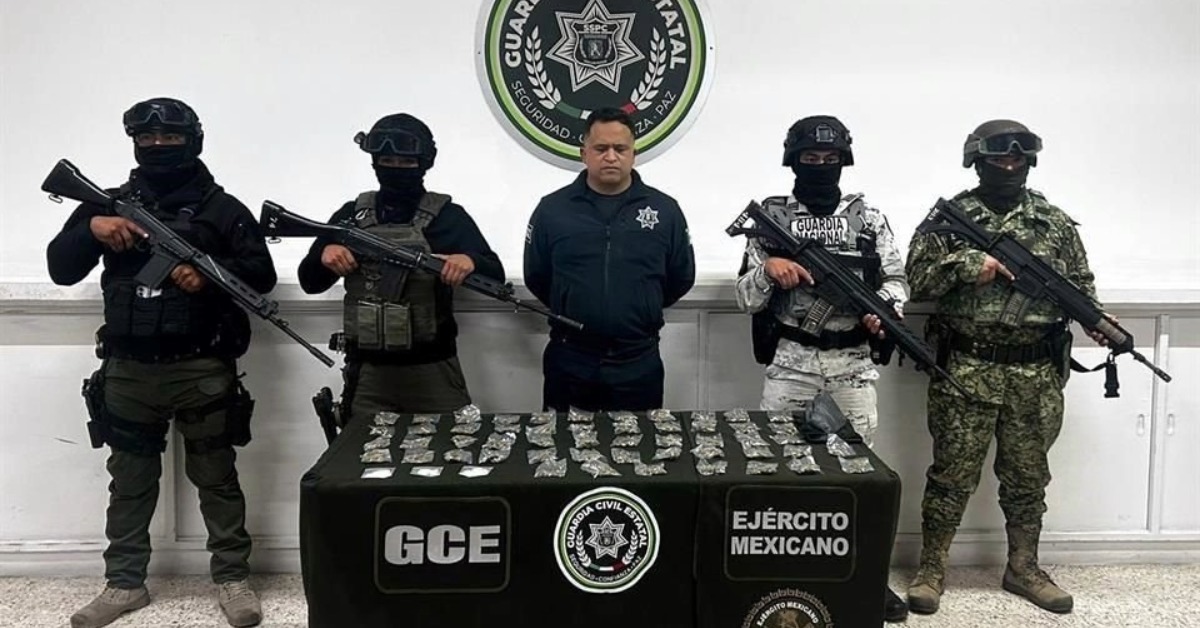
Mexico’s Defense Department said federal forces carried out an operation in Tapalpa, Jalisco, that ended with the death of Nemesio Rubén Oseguera Cervantes, known as “El Mencho,” identified by authorities as the leader of the CJNG. The government’s account described an armed confrontation, injuries during the operation, and a subsequent death during transfer, with the formal identification process left to the corresponding authorities.
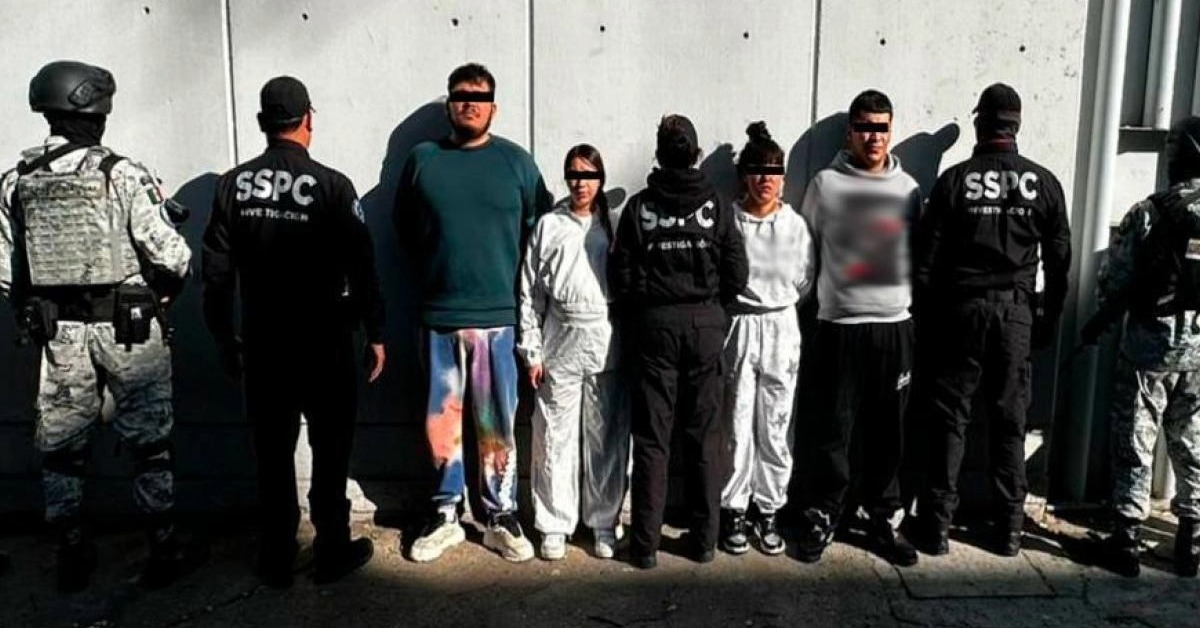
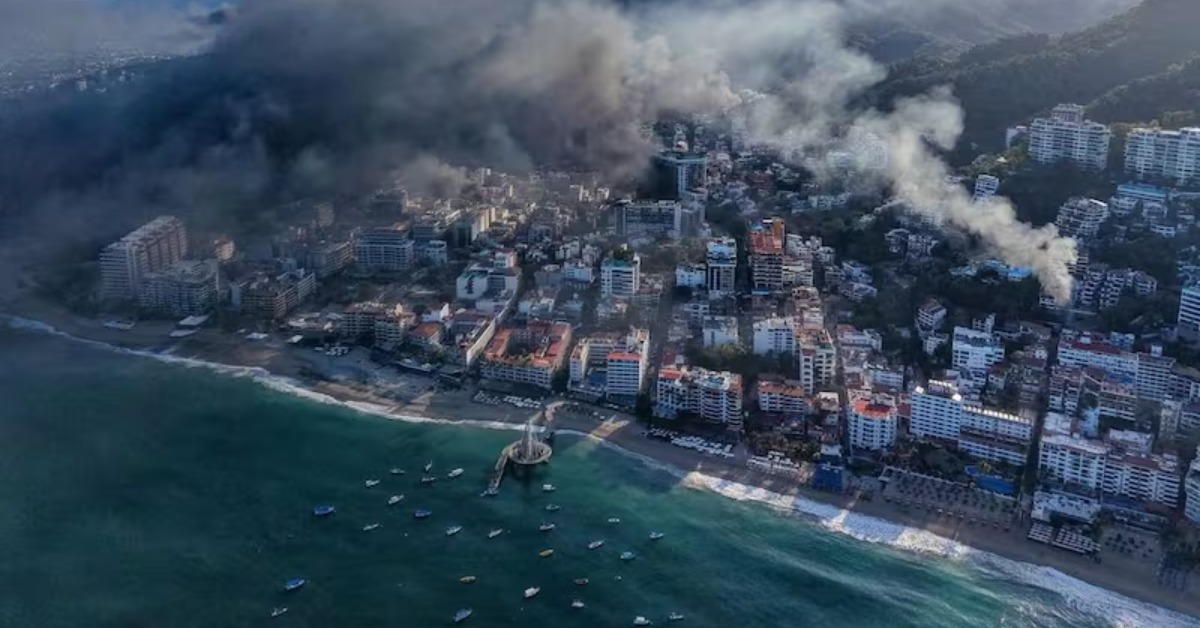
What followed was fast, visible, and designed for disruption. Authorities in Jalisco and other areas reported roadblocks, burned vehicles, and scattered fires that affected major routes and commercial zones. The pattern created immediate uncertainty for residents trying to move around normally and for travelers crossing the region by road.
Puerto Vallarta travel shuts down as reports spread
Puerto Vallarta quickly became one of the most closely watched pressure points because of its tourism footprint and transport links. The airport operator said international operations and most domestic flights were canceled on Sunday, with aviation authorities also reporting diversions tied to the security situation. Airlines, including major North American carriers, halted or canceled service to the destination as a precaution.
On the ground, the day’s disruptions spilled into daily routines: reports of blockades, transit interruptions, and temporary closures in commercial areas circulated throughout the morning. One of the most widely shared claims involved a fire at or near the Costco in the Fluvial Vallarta area. Early images and video prompted alarm, but public information in the first hours did not clearly establish the full extent of damage, whether the fire was limited to the exterior or parking area, or how quickly operations could safely resume.
For expats and visitors, the practical impact was immediate: flights became uncertain, road travel carried heightened risk, and reliable updates moved quickly from “trip planning” to “safety decision.”
Guadalajara faces a World Cup stress test
Guadalajara’s role as a 2026 FIFA World Cup host city turned the day’s violence into more than a local security story. Even a short-lived shock has consequences when a city is expected to welcome global visitors on a fixed schedule. The images of blocked avenues, burned vehicles, and disrupted transport sharpen questions that organizers and authorities will need to answer publicly: how the city hardens key corridors, prevents paralysis in commercial districts, and restores normal activity quickly after high-impact operations.
The near-term challenge is stabilizing the streets. The longer-term challenge is credibility—demonstrating that major events can be protected even when criminal groups seek to sow chaos.
What to watch in the next 24 hours
The most important signals will be official clarity and operational normalization: whether authorities provide a more detailed timeline of the operation and its aftermath, whether transportation systems restart on predictable schedules, and whether commercial areas reopen with confidence. For travelers, the decisive factor will be airline and airport guidance, because even brief suspensions can create multi-day backlogs. For residents, it will be whether road conditions and public safety messaging shift from emergency posture back to routine advisories.