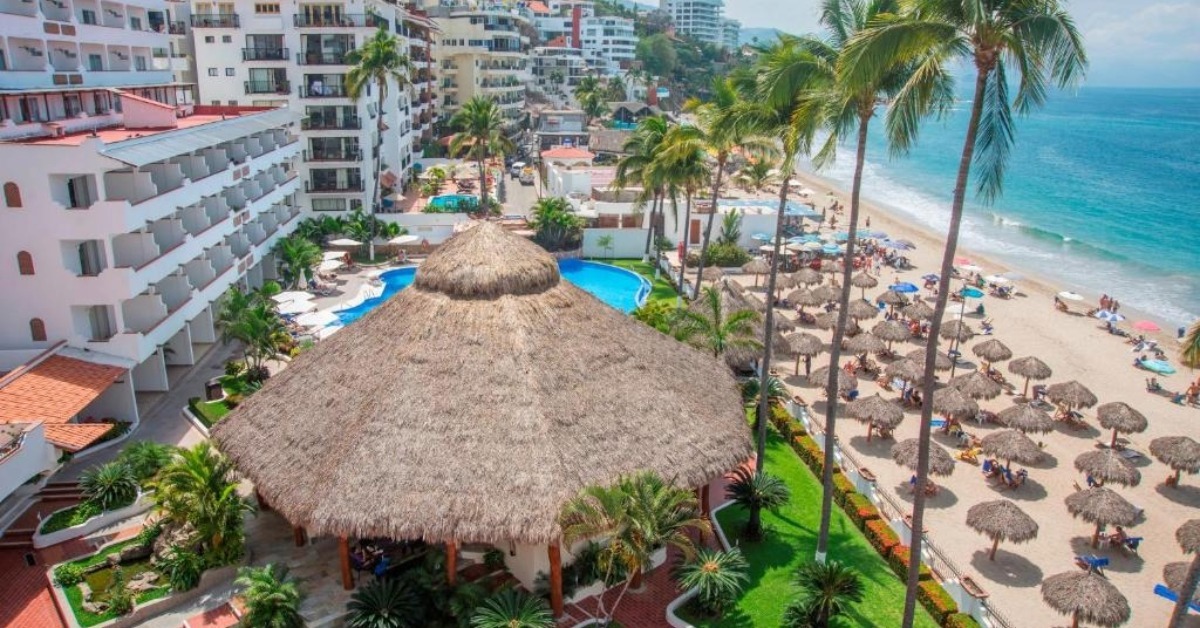
Puerto Vallarta’s tourism sector is not moving in one direction after the February violence. City officials say hotels have avoided major cancellations, but short-term rentals have been hit more directly. That distinction matters for a destination that depends on both traditional resorts and flexible online bookings. With Canadian travelers still reserving trips and March events ahead, the city is now entering a critical period that will show whether demand is stabilizing or simply pausing before another setback.
A split is opening inside Puerto Vallarta tourism
Puerto Vallarta officials are pushing back against the idea that the city suffered a broad tourism collapse after the February 22 violence. Their message is more specific. They say hotels have not reported mass cancellations, even as some reservations made through digital rental platforms were pulled back. That creates a more divided picture of the market than the first reaction suggested. Hotels appear to be holding their ground, helped by package travelers, established operators, and visitors with firmer plans. The weaker point is the short-term rental segment, where cancellations are easier, and commitments are looser. For a destination like Puerto Vallarta, that difference matters. It shows that travelers are still coming, but some are becoming more cautious about how they book and how long they commit. Officials estimate hotel occupancy closed February at roughly 82 percent and place March at roughly 70 to 75 percent, a softer level but not a collapse.
Why rentals may feel pressure before hotels
The gap between hotels and Airbnb-style bookings also says something about how travelers respond to bad headlines. A hotel stay often comes with airline packages, deposits, and fixed plans. A rental booking can be changed quickly, especially when travelers are comparing several beach destinations at once. That makes the short-term rental market a faster reflection of uncertainty. In Puerto Vallarta, officials say that is where some of the disruption has appeared. For local owners and managers, that matters because the city’s tourism economy is no longer built only around resorts. It also depends on independent hosts, smaller property investors, neighborhood services, and the broader local spending that accompanies those stays. The city is therefore dealing with two realities at once. One part of the market is proving more resilient. Another remains exposed to shifts in perception. That makes the current moment less about whether tourism stopped and more about which parts of the local economy are carrying the shock.
March will show whether confidence is returning evenly
The next few weeks will reveal whether Puerto Vallarta can move from damage control to a broader recovery. Officials say the Canadian market continues to book, which is important for the destination’s late-winter business. Airport operations also recovered quickly after the disruption, and major tourism players are still set to participate in upcoming March meetings and promotions. Those are useful signs, but they do not settle the question. The key issue now is whether confidence returns across the full tourism chain, not only in the hotel sector. If hotels remain steady while short-term rentals lag, the city may still look strong in headline occupancy numbers, while many smaller operators feel a weaker season. That is why March matters more than the days that follow the violence. Puerto Vallarta does not need to prove it can stay open. It needs to show that confidence is returning across the different ways travelers choose to visit the city.