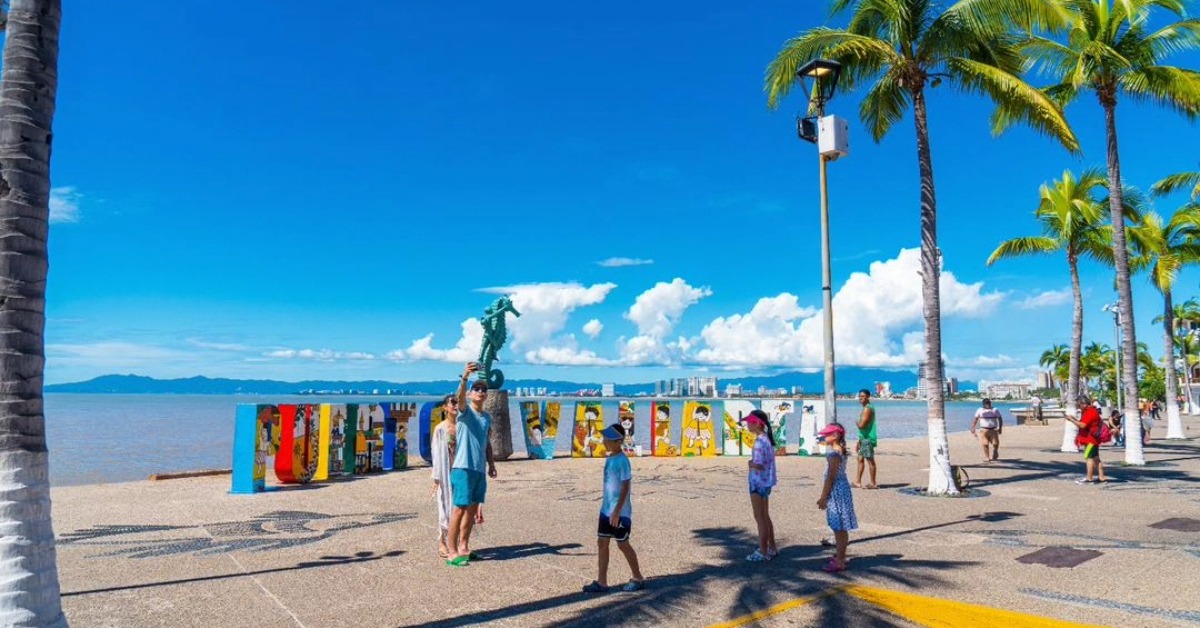
Puerto Vallarta is open, but officials say the damage to the winter season is real. After late-February violence shook Jalisco, hotel occupancy fell, flights were canceled, and some cruise calls disappeared from the calendar. Now the city is betting on domestic travel, trade promotion, and the steady return of air and sea arrivals. The bigger question is not whether the destination is working again. It is whether foreign visitors will believe that in time for the next booking cycle.
A high season that ended too soon
Puerto Vallarta’s high season usually runs from October through late March. The city depends on winter travelers from the United States and Canada, and March weekends usually keep hotels busy.
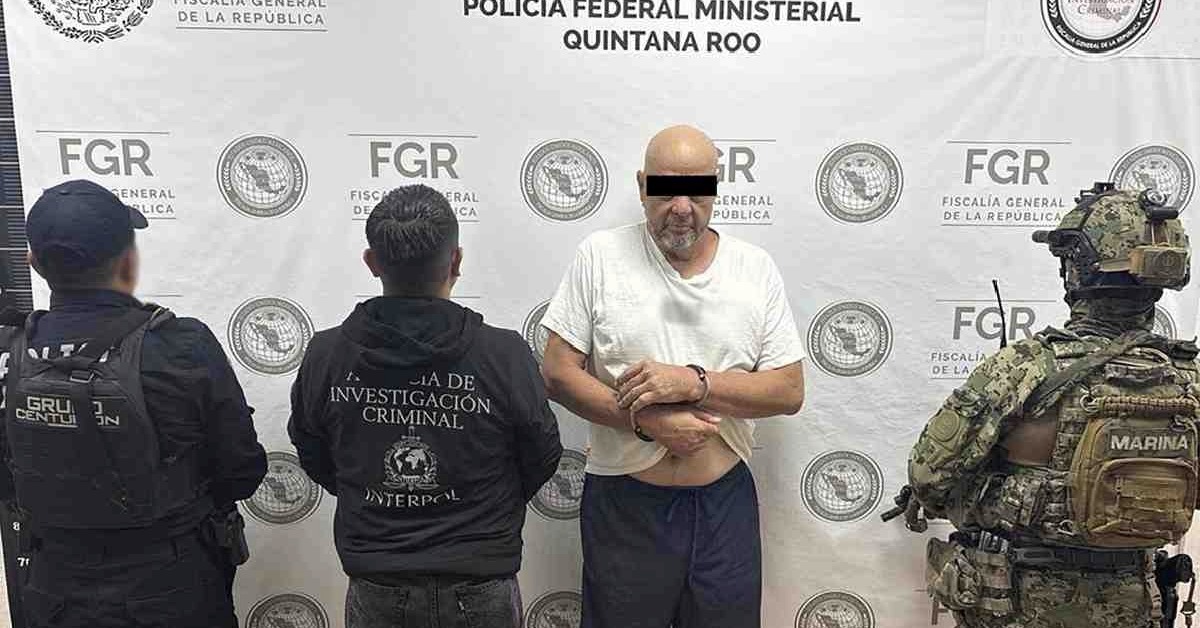
This year, that pattern broke on Feb. 22. After authorities killed CJNG leader Nemesio Oseguera Cervantes, known as El Mencho, violence spread across Jalisco. Roadblocks, burned vehicles, and travel alerts disrupted movement in and around Puerto Vallarta.
The timing was costly. Local tourism officials and hotel executives say the high season effectively ended that weekend, almost a month early. One hotel executive said occupancy fell to about 45 percent, far below the level usually seen on March weekends. Tourism activity never stopped, but the city lost momentum when winter demand should have been strongest.
Why foreign travelers matter so much
The damage was not only operational. It was also psychological. The U.S. mission in Mexico issued shelter-in-place alerts for Puerto Vallarta and other cities in Jalisco as the unrest unfolded. Those alerts were later lifted, but the signal had already reached travelers, advisers, and families abroad.
Puerto Vallarta is especially exposed to that kind of shock because of who fills the city in winter. Grupo Aeroportuario del Pacífico says the airport handled 6.95 million passengers in 2025. Of those, 3.82 million were international and 3.12 million were domestic. That mix helps explain why officials are focusing on confidence as much as security. Domestic tourists often return faster after a scare. Foreign travelers usually book earlier and respond more strongly to official alerts.
Flights and cruises showed the damage
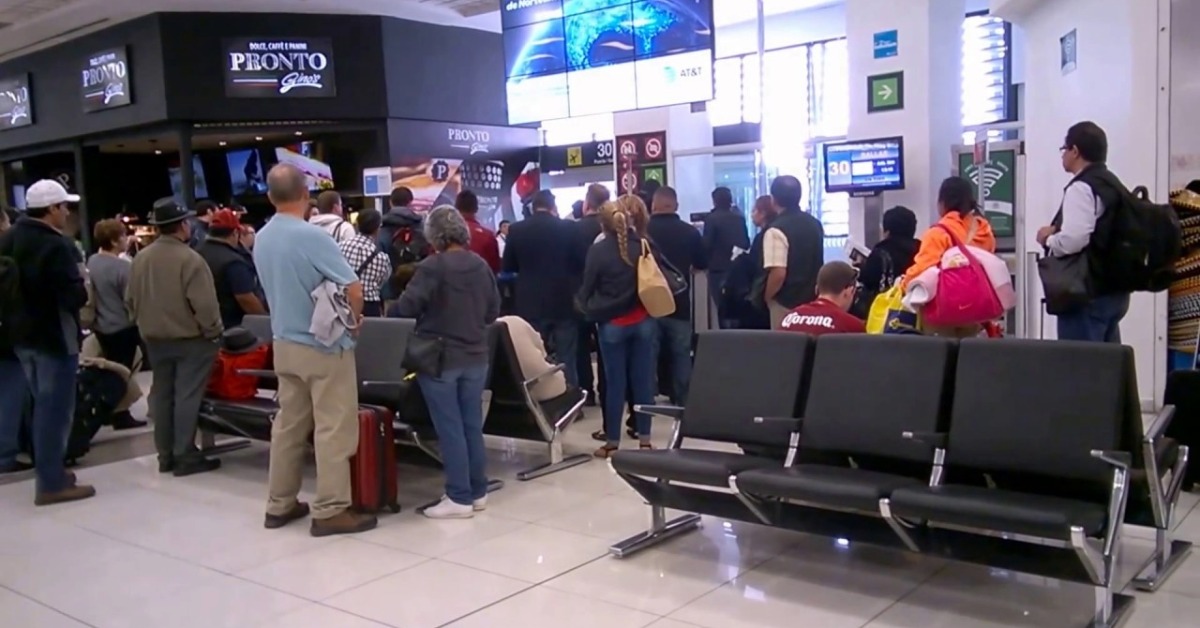
The airport stayed open, and GAP said security inside the terminal was not compromised. Even so, the disruption was severe. Puerto Vallarta airport recorded 87 cancellations on Feb. 22 and 47 more on Feb. 23. For international visitors, that mattered as much as the violence itself. A destination can be operating, yet still look unstable from afar.
The cruise business showed the same pattern. Tourism officials said 14 cruise arrivals had been planned for March. By March 9, the official ASIPONA Puerto Vallarta calendar showed 11 arrivals. Ships began returning, including the Norwegian Bliss, but the smaller calendar still reflected caution after the February unrest. In a city that uses cruise calls as a public measure of normality, missing arrivals sends its own message.
The recovery effort is already under way
Officials and business leaders are working on two fronts. The first is practical. Security presence has been reinforced. Air and port operations continue. The destination is also leaning on the domestic market to fill the short-term gap. That is one reason so much attention has shifted to holiday weekends and the coming Holy Week travel period.
The second front is reputational. Tourism industry leaders say the federal government and private sector brought in outside crisis-management support. The goal is to communicate quickly with key markets such as the United States and Canada. Puerto Vallarta also hosted the Gala Puerto Vallarta–Riviera Nayarit 2026 this month. The trade event brings hotels, wholesalers, and tour operators together to lock in future business. The message is clear: the city is not waiting for confidence to repair itself.
Perception may recover slower than operations
That is the harder part of the story. Flights can resume quickly. Cruise schedules can be refilled. Hotels can reopen every room. But tourism depends on how safe a place feels to people who are still deciding where to book.
Some U.S. tour operators say Puerto Vallarta is recovering more slowly than Mexico as a whole. They also say some travelers who changed their plans for Mexico shifted to Caribbean destinations instead. That does not mean the setback will last. Puerto Vallarta still has a strong airlift, repeat Canadian winter visitors, and one of the strongest brands on Mexico’s Pacific coast. Officials are also hoping the 2026 World Cup in Guadalajara will generate additional spillover demand.
What the city cannot recover is the time already lost. The last days of February and the first part of March are gone. What it can still recover is the next booking cycle. That is why the real battle is no longer whether Puerto Vallarta is open. It is whether future visitors decide the February violence was a serious but brief interruption, not a reason to abandon the destination.