Jalisco’s push for more flights to Puerto Vallarta is not only about tourism growth. It is also about how easy the city remains to reach for repeat visitors, seasonal residents, and travelers who want fewer connections. After a February marked by disruption, the route talks in Rio take on a more practical meaning. The real question is no longer whether officials met with airlines. It is whether Puerto Vallarta can turn that effort into stronger year-round access.
Why better access matters now
Jalisco’s pitch in Rio was about more than adding names to a route map. For Puerto Vallarta, stronger air access is tied to how easy it is to reach the city year-round. Officials used Routes Americas 2026 to meet carriers from North America, Europe, and Latin America. They were not selling only a beach break. They were selling reliability, convenience, and a wider travel funnel for one of Mexico’s busiest coastal airports. That matters for tourists, as well as for seasonal residents, second-home owners, and repeat visitors who build travel plans around direct service. When a destination depends heavily on air arrivals, each extra frequency can widen the market. It can also reduce friction for travelers who would otherwise connect through another city. Stronger access can shape weekend trips, longer winter stays, and shoulder-season returns. Seen from that angle, Jalisco’s route push is less about aviation branding. It is about protecting Puerto Vallarta’s place as an easy-entry Pacific destination.
What February showed about Puerto Vallarta
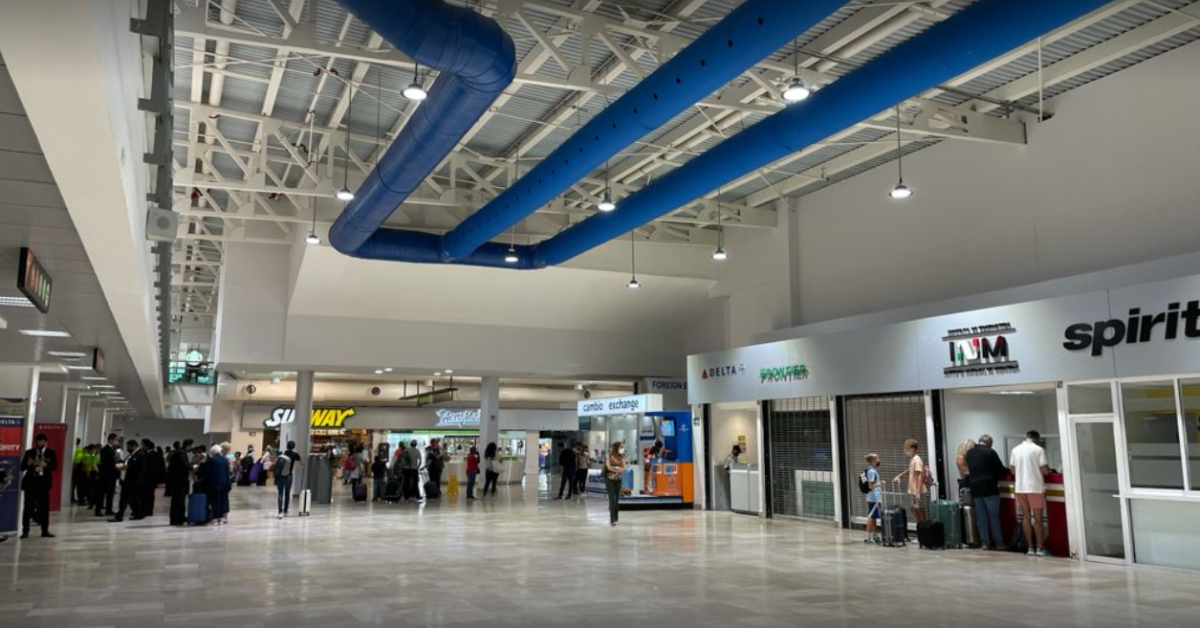
That context matters more after February. Puerto Vallarta airport already handles a large international flow, and recent figures show both its strength and its exposure. The terminal closed 2025 with record passenger totals, then opened 2026 with another solid January. February then turned softer after two disrupted days, which led to 141 canceled flights. A weaker month does not change the airport’s role in the region. It does, however, show why route depth matters. More carriers and more frequencies can give airlines room to recover schedules faster. They can also help spread demand across markets rather than relying too heavily on a narrow set of gateways. For residents and frequent visitors, that usually means better odds of finding a direct seat, fewer awkward connections, and more flexible travel windows during peak periods. For a city built around visitor access, transportation is part of the product. The easier Puerto Vallarta is to reach, the stronger its position becomes.
The next sign will be real schedules
The important caveat is that none of these talks equals a confirmed launch. Meetings in Rio were a sales effort, not a route announcement. The next real milestone will be scheduled filings, published start dates, and tickets put on sale. Even so, the strategy fits where Puerto Vallarta stands now. The airport already has scale, yet Jalisco still sees room to diversify who comes and how they arrive. That matters if officials want steadier demand beyond winter peaks and stronger links to markets outside the usual North American base. It also matters for people who live part-time in the bay and plan their year around simple air access. From this angle, the story is not only about chasing more visitors. It is about making Puerto Vallarta easier to enter, easier to return to, and less vulnerable when service gets disrupted. That is a different kind of growth story, and one that readers can feel directly.
With information from NTR Guadalajara, Routes Americas, Vallarta Daily