A leaked audio has pushed an uncomfortable question back into the spotlight: what happens when the agency brought in to clean up Mexico’s ports ends up accused of looking the other way. A new analysis links Navy-controlled port customs to “huachicol fiscal,” the tax-and-paperwork side of fuel smuggling that can move millions of liters at a time. Prosecutors say a case is already open, but the debate is shifting toward accountability higher up the chain—and whether the ports’ new guardians also need guarding.
A leaked audio and a killing that raised the stakes
An analysis published Sunday, February 22, argues that a corruption network has been able to move illegal fuel imports through ports now under Navy control, and that the public has only seen fragments of what the author believes is a larger picture. The central point is not only the alleged smuggling itself, but the possibility that decision-makers may have tried to contain the fallout internally rather than trigger a full investigation.
The analysis builds around an audio recording that surfaced publicly in recent days, described as a meeting between a senior Navy officer and the Navy secretary of the previous administration. In that conversation, the officer lays out allegations of corruption involving port- and customs-linked positions, and the secretary discusses options that the author interprets as either fully exposing the scheme or trying to shut it down quietly through personnel changes. The analysis argues that the latter approach, if accurate, would amount to a failure to report suspected crimes and could be interpreted as concealment.
What turns the story from an internal scandal into a national security and rule-of-law question is what happened next. The officer who raised the alarm, Fernando Rubén Guerrero Alcántar, was reassigned and later killed. The analysis does not present conclusive evidence about motive, but it argues the timing is serious enough that investigators should treat the killing as potentially connected to the corruption allegations and any effort to keep them from spreading.
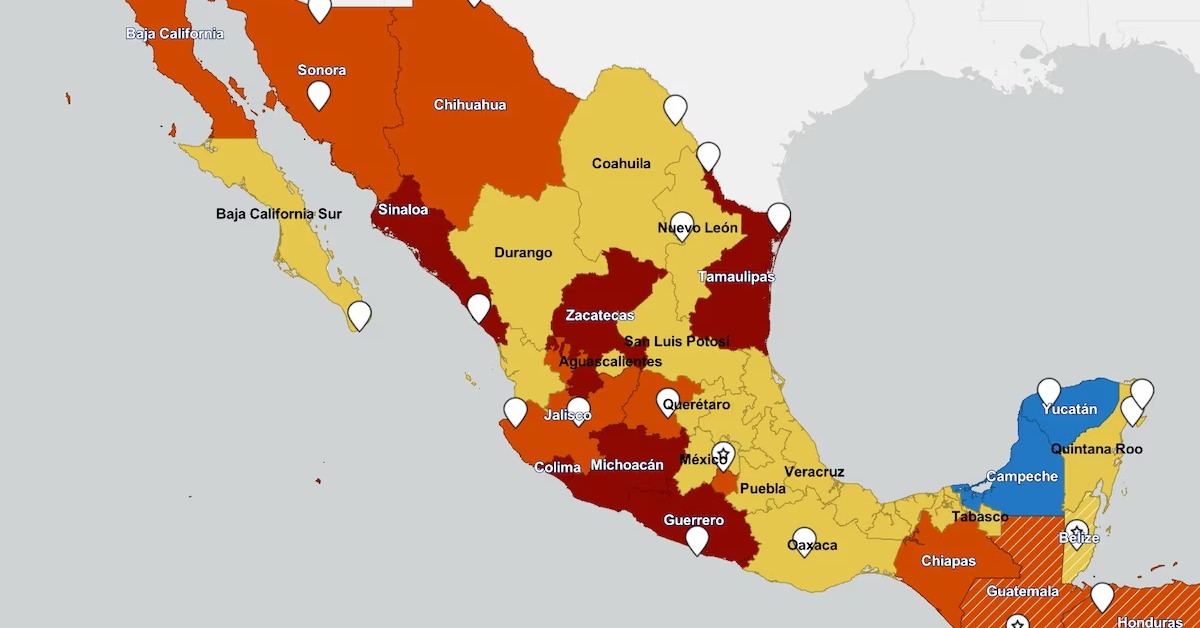
The author also notes that reports and investigations have repeatedly pointed to irregularities across multiple ports, including Tampico, Altamira, Manzanillo, Lázaro Cárdenas, Veracruz, Ensenada, Guaymas, Tuxpan, Topolobampo, Mazatlán, and Salina Cruz. The implication is that the problem is not confined to a single terminal or group, but reflects vulnerabilities that can be exploited wherever oversight is weak and decision-making is concentrated.
How fuel smuggling can hide in paperwork
In Mexico, “huachicol” is often associated with fuel theft from pipelines—illegal taps, hidden storage, and roadside sales. That crime remains widespread, and Pemex has reported thousands of illegal pipeline taps in a single year. But the current controversy centers on a different pathway: “huachicol fiscal,” a label commonly used for schemes that avoid taxes and controls on fuel imports, movement, or declaration.
The mechanics matter because they explain why ports become a pressure point. Maritime shipments can arrive with documentation that is difficult to verify quickly, and fuel can be reclassified or under-declared, shifting the tax burden from the importer to the public. Industry specialists have described several recurring tactics: declaring fuel under a different tariff category, reporting lower volumes than what is actually unloaded, using falsified documentation, or moving product with little to no formal record. Any of these methods can reduce or erase the taxes and duties that would normally be paid, creating a pricing advantage for illegal products while draining public revenue.
This is where the story becomes relevant for everyday residents and foreign residents alike, even if they never go near a port. When taxes are avoided, the gap is absorbed somewhere else—through weaker public finances, uneven enforcement, and distorted market pricing. Estimates from analysts and industry consultants put potential annual losses in the tens of billions of pesos, and some analyses suggest the practice can account for a substantial share of national gasoline and diesel sales in a given year. Those figures are contested in the public debate, but they underline why the federal government treats the issue as more than routine smuggling.
Why Navy control is central to the case
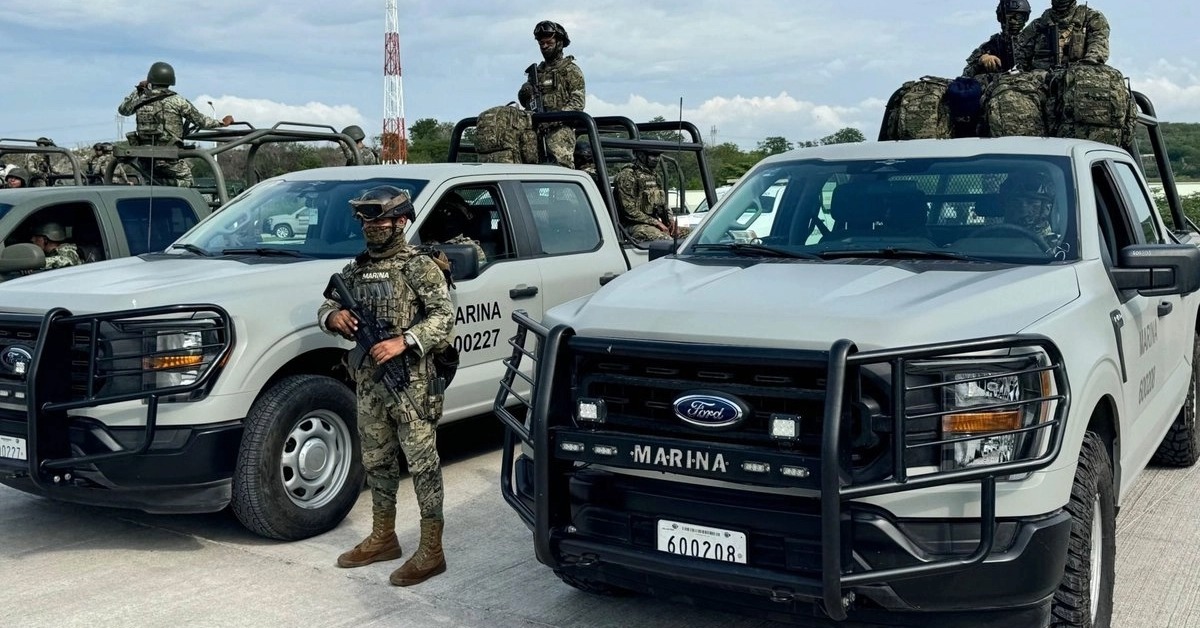
The Navy’s role is at the center of the controversy because it was expanded specifically to reduce corruption and criminal control in ports. Reforms published in December 2020 shifted major port and maritime administrative powers to the Navy, and the transition took effect in mid-2021. The legal changes aimed to consolidate authority and improve coordination at ports and in maritime security, under the premise that a single command structure could respond faster and close gaps that criminal networks exploit. In 2025, Mexico’s Supreme Court upheld the validity of those reforms.
That history cuts both ways. On the one hand, it explains why the federal government can argue that it has already built a structural response to port corruption. On the other hand, it frames the political and institutional risks: if a network operates within the very structure meant to stop it, the failure is not just operational; it is design-related. Concentrating authority can also concentrate opportunities for abuse if oversight, audits, and whistleblower protections are weak.
In recent public remarks, President Claudia Sheinbaum has said investigators still have arrests pending in the broader “huachicol fiscal” case and that the Attorney General’s Office continues to work the file. She has also stated there is no investigative line targeting the former Navy secretary, even as questions continue about what he knew and what actions were taken after the alleged warning.
For expats living in Mexico, this is not only a political story. It touches the reliability of fuel supply chains, the credibility of enforcement in strategic infrastructure, and the kinds of security dynamics that can spill into day-to-day life in port cities. If the government responds with tighter inspections, more aggressive customs controls, or high-profile prosecutions, it could affect logistics timelines and transportation patterns. If it does not, the story becomes another test of whether major corruption cases reach decision-makers or stop at the operational level.
What to watch next
The immediate question is whether prosecutors will broaden their inquiries beyond alleged operators at specific ports to the chain of command that managed them. A second question is whether investigators will treat the killing of the officer who raised the alarm as potentially linked to the alleged smuggling network, rather than as an isolated act of violence. A third is structural: whether Mexico adds stronger civilian oversight and transparent auditing mechanisms for port operations now housed within a military institution.
Until those questions are answered, the public will continue to work with partial information—leaks, court moves, and political statements—rather than a full account of how a fuel-smuggling scheme could thrive inside a system that was supposed to prevent exactly that.