Quintana Roo’s reef-restoration drive is moving into a much bigger phase this year. Hotel-backed funding and marine science teams are expanding coral planting, education, and research in Cancún. That comes after recent bleaching pressure in the Caribbean. The headline number is the money: total investment tied to the program is expected to approach 8 million pesos in 2026. The bigger issue is what that spending is meant to protect, from reef habitat and fisheries to beaches and the local tourism economy.
A bigger reef push
Quintana Roo’s reef restoration program is expected to bring cumulative investment close to 8 million pesos in 2026. The work is led by Oceanus A.C. with backing from RIU Hotels and support from environmental authorities. Partners say the project will continue to expand in reef areas off Cancún. Those areas include Punta Nizuc and El Bajito, two sites that have been central to earlier restoration work.
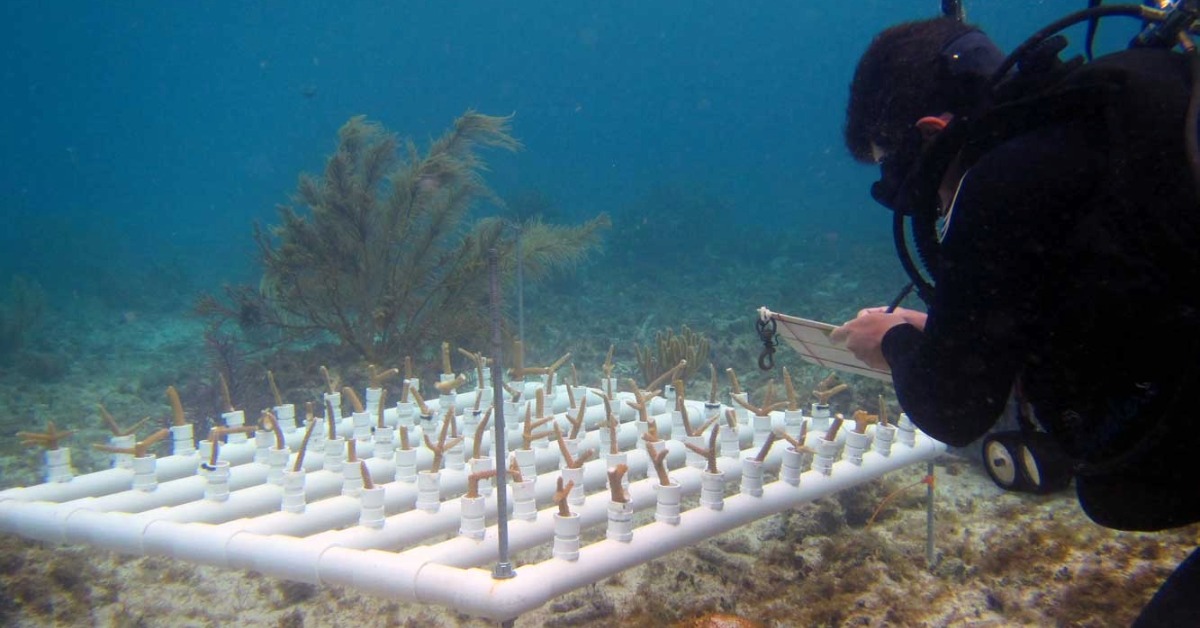
Oceanus says it plans to cultivate 5,000 corals this year in Quintana Roo and the Gulf of Mexico. It has also described a new research and education center in Cancún, which is expected to begin operating this year. Project figures tied to 2026 include about 2.5 million pesos for cultivation work and about 3 million pesos for the center. Taken together with prior spending, the broader initiative is on track to reach the headline figure.
Why the reefs matter
That matters because the state’s coral reefs do more than support diving and snorkeling. Reefs help reduce wave energy during storms. They also support fisheries and the marine habitats that help keep beaches alive. Across the Mesoamerican Reef, millions of people depend directly on reef resources and reef-linked coastal economies. In Quintana Roo, that includes communities and businesses tied to tourism.
The urgency has grown following recent years of coral-bleaching pressure in the region. Project leaders say reefs in 2023 and 2024 faced major heat stress. That not only affects color. It can slow growth, weaken coral, and raise the risk of disease. Restoration cannot solve ocean warming on its own. But it can rebuild damaged sites and help protect coral strains that show stronger resilience.
What comes next
There are also signs that the work can deliver local results. Oceanus says its Cancún restoration program began in 2019. Earlier nursery work reported survival above 90 percent, while hotel-industry partners have cited strong recovery in monitored sites. Other program updates have indicated that thousands of coral colonies have been planted in the Mexican Caribbean. Those numbers matter because restoration is labor-intensive and must continue long after transplanting.
For readers in Quintana Roo, this is not just an environmental story. It is also about coastal protection, beaches, fisheries, and the long-term health of the tourism economy. The 2026 funding figure draws attention. The harder question is whether the program can continue to scale as ocean heat remains a threat. That answer will depend on sustained financing, scientific monitoring, and protection of the sites once restoration teams leave the water.
With information from SIPSE Novedades, La Jornada Maya, Quintana Roo Hoy, Oceanus A.C. Programa de Restauración de Arrecifes de Coral