New well exploration in San José del Cabo is starting to deliver measurable results, but the real test comes next. Water officials say early pumping tests show usable quality and higher flows than recent attempts elsewhere in the municipality. Now the focus shifts to drilling in the La Palma area and proving that the water can be moved into the network without new bottlenecks. How much supply could be added, and how soon might it affect tandeos and water-truck demand?
Early tests from Pozo 11 and Pozo 8
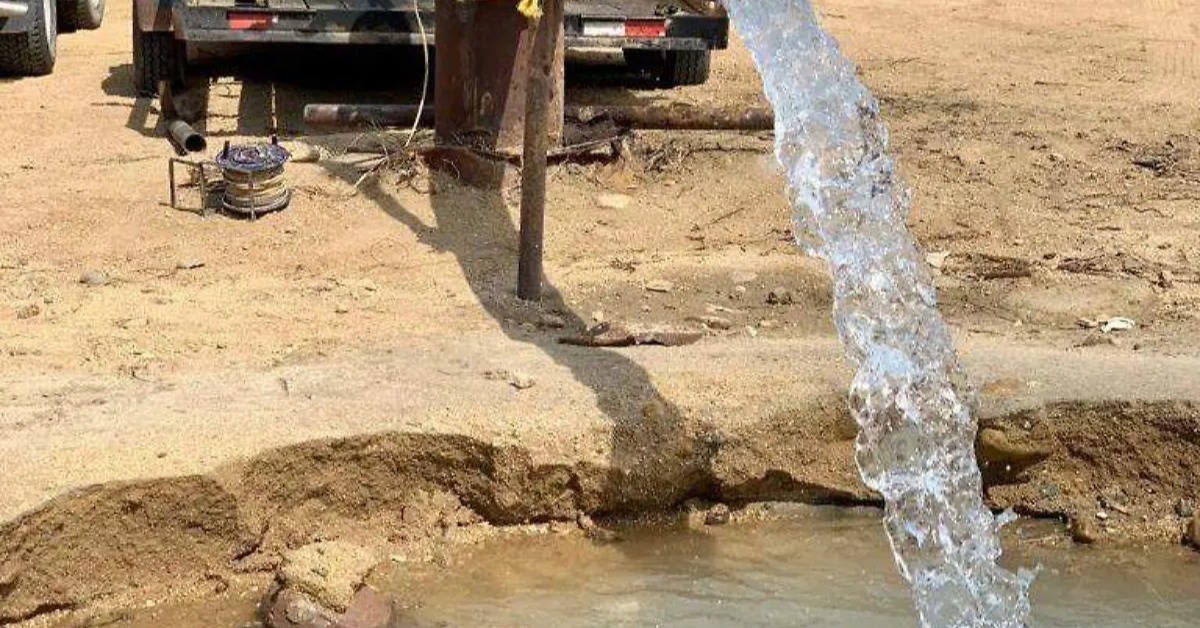
Early well tests in San José del Cabo are showing usable new supply. The effort follows a Conagua authorization issued in 2024 to explore five sites. Two of those sites are in San José del Cabo. The municipal operator, OOMSAPAS Los Cabos, says San José has produced the best results so far. A pumping test, known as an aforo, at Pozo 11 measured an estimated 70 litros por segundo (LPS). Officials also reported a solid yield at Pozo 8. They said initial checks show water quality suitable for drinking, with standard lab work still required. If confirmed, the wells would add lower-cost groundwater to a system that also uses desalination and potabilization. The operator says the aim is to stabilize service and reduce pressure on tanker deliveries. The update was shared in late February and early March as drilling crews continued work. The full plan also includes two sites in Cabo San Lucas and one in the tourist corridor. Recent tests there have produced smaller flows, making San José the current focus.
Next target is La Palma drilling
The next drilling is planned near La Palma in the Santa Anita area of San José del Cabo. Officials say they have permits from Conagua for exploratory drilling beneath the La Palma dam. The goal is to confirm whether that zone can deliver a steady caudal. The operator says any groundwater found there would be routed based on network capacity and local pressure. San José del Cabo has become the priority because its aquifer is described as less stressed than that of Cabo San Lucas. By contrast, exploration in Cabo San Lucas in 2025 found water, but at under 10 LPS, officials said. The 2024 authorization set a target of up to 20 LPS of new extraction in San José del Cabo. The same plan aimed for up to 60 LPS in Cabo San Lucas, plus one site in the tourist corridor. Those figures guide permitting, but real output depends on what each well produces. If La Palma performs well, it could add flexibility for moving water toward higher-demand areas.
From test result to tap water
An aforo result is a snapshot, not a guarantee of daily supply. A well can test strongly and still decline under sustained pumping. OOMSAPAS Los Cabos still has to complete longer pumping tests and set operating limits. Officials also have to confirm water quality through routine lab work. Even usable groundwater may need disinfection, blending, or additional treatment. Hardware matters too. A productive well needs a pump, power, controls, and a secure site. It also needs pipelines that can carry flow into storage tanks and pressure zones. That is where many projects slow down. In Los Cabos, water cuts can reflect distribution limits, not just raw supply. Officials have said some extractions require extra treatment, which is why the operator is planning new potabilizers. They have also described plans to expand desalination plant No. 1 as another supply backstop. For wells, the practical question is simple: can the new flow reach homes at consistent pressure?
What residents may notice next
If Pozo 11 holds near 70 LPS in regular operation, the volume is significant. At full-time pumping, that rate equals about 6 million liters a day. Actual delivery would be lower after downtime and system losses. Still, any new source can reduce the need for tandeos and emergency trucking in some sectors. For many foreign residents, the impact is practical. It can mean fewer days of empty rooftop tanks and fewer purchases from water trucks. It can also support steadier service for hotels, restaurants, and essential services during peak demand. Officials have framed the findings as early results, not a final solution. The remaining wells still need to be drilled, tested, and connected to the network. Results have also been uneven between San José del Cabo and Cabo San Lucas. That makes the next round at La Palma important. It will show whether the current gains can be repeated and turned into a reliable daily supply.