An astronomy program that usually moves through Guanajuato is heading to one of San Miguel de Allende’s best-known natural spaces. The University of Guanajuato plans to bring its Noche de Estrellas to Charco del Ingenio, mixing children’s science activities, a public talk, and guided skywatching. The event stands out because it places public science inside a protected botanical reserve, opens the site after dark, and gives the city a local story tied to education, conservation, and community programming.
A science night outside the usual venues
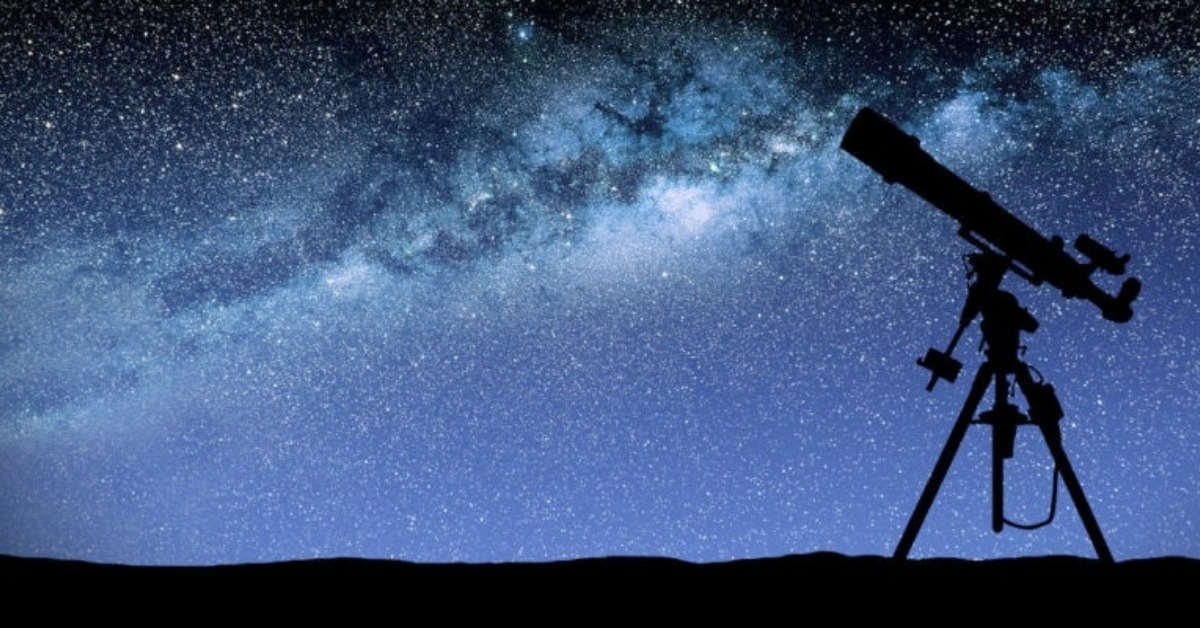
The University of Guanajuato is scheduled to hold its Noche de Estrellas program at Charco del Ingenio on Friday, March 13. Organizers said the event will begin at 5 p.m. with science activities and games aimed at children. At 8 p.m., astronomer César Caretta is set to give the talk Las constelaciones y sus mitos. The evening will then continue with telescope observation from the Plaza de los Cuatro Vientos. Organizers also said around 20 university participants will be involved in the program.
The event matters because it moves science outreach into a site better known for conservation, walking trails, and daytime visits. It will also be one of the few times Charco del Ingenio opens at night, giving attendees a different way to experience the reserve. Organizers have presented the program as both a learning opportunity and a public invitation to see the garden from another angle. They have also said the event could return in future years if the response is strong enough.
Why the venue fits the story
The setting is not incidental. Charco del Ingenio is a 67-hectare botanical garden and reserve beside San Miguel de Allende. It holds federal conservation status and already runs environmental education, science, and cultural activities throughout the year. That makes it a strong fit for a university event built around observation, public learning, and place-based experience. The venue gives the program more weight than a standard talk in a classroom or civic hall.
The observation point also adds meaning. The Plaza de los Cuatro Vientos is one of the garden’s main panoramic and ceremonial spaces. According to the reserve’s own description, the plaza carries astronomical symbolism and recalls the 1991 solar eclipse linked to the garden’s founding. For residents, part-time residents, and visitors who know the reserve mainly as a daytime stop, that context gives the event a stronger local identity and makes the night feel tied to the site itself.
Part of a wider university outreach effort
The San Miguel program also fits a broader pattern from the university. The Department of Astronomy at the University of Guanajuato, directed by Dr. César Augusto Caretta, has spent years taking public observation nights to communities and heritage sites across the state. In earlier outreach events, the department used the same mix of telescopes, talks, and child-friendly activities to bring science to general audiences. That history gives the San Miguel event more credibility and suggests it is part of an established outreach effort rather than a one-time appearance.
Taken on its own, this is a softer city story. Still, it stands out because it is clearly local, tied to a named site, and backed by institutions with a public education mission. It also shows how San Miguel de Allende continues to generate programming outside its usual culture and tourism lanes. In this case, the focus is not a festival, a gallery, or a civic ceremony. It is a night of astronomy in one of the city’s most recognizable natural spaces.
With information from Periódico Correo, El Charco del Ingenio