San Miguel de Allende is already known for restaurants, wine-country day trips, and a dining scene that draws travelers from abroad. Now craft beer is moving into that mix in a more visible way. A new Guanajuato gastronomy push named the city among the state’s rising beer destinations, but the bigger story is wider than one mention. State tourism policy, local breweries, and visitor demand are starting to align around a broader food-and-drink offering. That could give San Miguel another reason to hold visitor attention.
Craft beer enters a bigger tourism plan
A recent gastronomy push in Guanajuato placed San Miguel de Allende among the cities where craft beer bars and local labels are becoming part of the tourism offer. On its face, that is a modest development. The larger story is that the state is widening its food-and-drink pitch. Craft beer is being folded into a tourism strategy that already leans on wine, mezcal, tequila, and regional cooking.
For San Miguel de Allende, the timing matters. State tourism officials recently described the city as a key axis of Guanajuato’s enogastronomy plan. They also reported that San Miguel closed 2025 with 2.19 million visitors and 8.564 billion pesos in tourism-related economic activity. When a destination at that scale adds another beverage category, it becomes more than a menu change. It becomes part of how the city is presented to travelers.
Why this matters in San Miguel de Allende
San Miguel already has a deep dining market. Its official tourism platform says visitors can choose from more than 300 restaurants, bars, and terraces. That matters because beer in San Miguel has to do more than fill a glass. It has to connect with the place. Local labels help do that. They give restaurants and bars a product tied to the city itself, not only to national distribution.
This also matches how many visitors now travel. Food and drink are no longer side activities for many travelers. A brewery stop can sit beside a church visit, a gallery walk, a rooftop dinner, or a vineyard day trip. In San Miguel de Allende, that matters because the city already attracts visitors who plan around culture and dining. Craft beer does not replace the nearby wine store. It adds another local product.
The state is giving the category more visibility
The shift is not only market-driven. Recent state messaging has repeatedly grouped craft beer with Guanajuato’s wine, mezcal, tequila, and contemporary cuisine offerings. Earlier this month, the state said beer tastings would be part of its presence at a major food festival in Mexico City. In separate remarks about San Miguel’s restaurant sector, officials again placed craft beer inside the enogastronomy strategy they are using to promote Guanajuato in 2026.
That matters for smaller operators. Official promotion can move a product from a side option to a tourism experience. When the state builds campaigns and festival programming around food and drink, beer gains visibility with visitors who may not have come looking for it. For San Miguel, that can help draw attention beyond fine dining and wine-country branding, without working against either.
The local names are already there
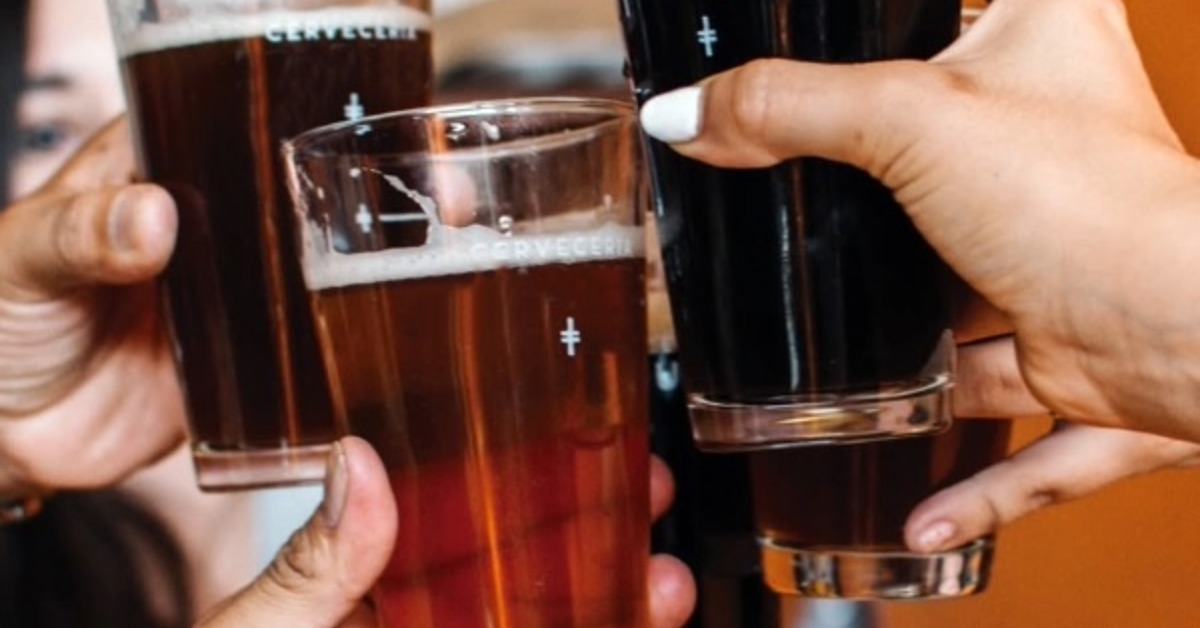
San Miguel already has names that fit this strategy. Dos Aves says it was established in 2012 and is the city’s first craft brewery. Cervecería Allende says its first tap room opened in San Miguel, where visitors can drink draft beer close to where it is made and pair it with food. Those details show that the city is not starting from zero. The infrastructure is already there.
That does not mean San Miguel is becoming a beer destination on its own. The city’s tourism identity remains broader than any single drink category. But beer now fits more neatly into the local visitor economy. It can serve residents, weekend visitors, and longer-stay travelers looking for a local product with a clear point of origin. For restaurants, it creates more pairing options. For tourism officials, it adds another rooted story to the broader food narrative.
What comes next
The next question is whether this remains mostly a branding theme or becomes a more visible visitor circuit. The clearest signs would be more brewery tours, more pairings on menus, stronger placement at gastronomy events, and tighter links with hotels or walking tours. None of that is guaranteed. But the pieces are in place. San Miguel de Allende already has strong visitor traffic, a large restaurant scene, established beer brands, and active state promotion of food tourism.
For readers, the takeaway is simple. The craft beer story is not really about one drink. It is about how Guanajuato is expanding the definition of its tourism economy and how San Miguel de Allende continues to absorb new parts of that strategy. Wine may still lead the conversation. But beer is now clearly inside it.