Guanajuato’s appearance at Sabor es Polanco was about more than festival visibility. By placing San Miguel de Allende inside a broader pitch built on restaurants, vineyards, and regional products, the state signaled where it wants future tourism growth to come from. For readers who know San Miguel mainly for its colonial streets and arts scene, the move adds another layer. Officials are now treating the city’s food and wine economy as part of its public identity.
A bigger stage for San Miguel
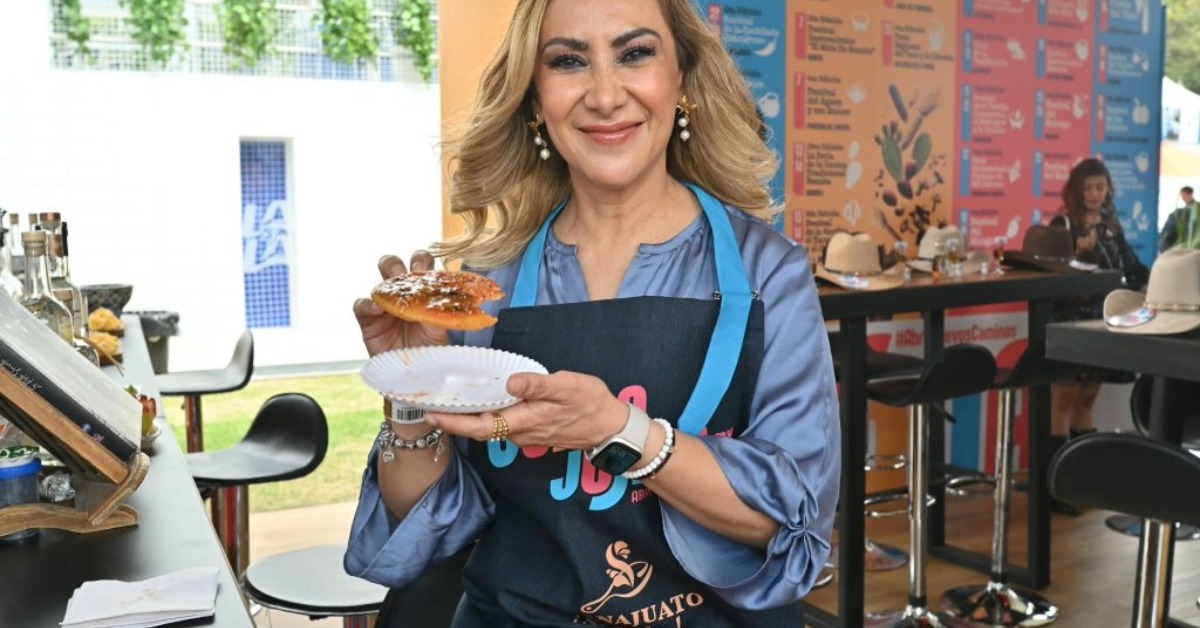
Guanajuato used this year’s Sabor es Polanco festival in Mexico City to spotlight San Miguel de Allende. It did so as part of a broader premium culinary offer. The state delegation mixed traditional cooking, contemporary chefs, wine producers, and distillers. San Miguel appeared in two important ways. Chef Raymundo Gutiérrez was presented as carrying a contemporary proposal with a presence in Dolores Hidalgo and San Miguel de Allende. State officials also highlighted wine regions that included San Miguel de Allende alongside Dolores Hidalgo, Comonfort, San Felipe, and León.
That matters because the story was not just about one city at a food festival. Guanajuato framed the event as a way to sell an integrated tourism identity built around gastronomy, wine, and regional products. In that message, San Miguel was not a side note. It was one of the places used to turn the state’s culinary image into a bookable destination.
Why Sabor es Polanco matters
For readers outside Mexico, Sabor es Polanco is not a neighborhood food fair. It is one of the country’s best-known gourmet events. It draws a crowd interested in premium dining, wine, and branded culinary experiences. Organizers promoted the 2026 edition at Campo Marte as a weekend gathering with Guanajuato as the invited state. State officials described it as a strategic showcase aimed at a national and international audience with high spending power.
That setting helps explain why San Miguel featured so clearly in the state’s pitch. A city already known abroad for heritage tourism gains something different in this kind of venue. It can be marketed not only for its churches, galleries, and boutique hotels. It can also be sold for the quality of its tables, vineyards, and curated experiences. For Guanajuato, that is a useful message. It asks travelers to treat food and drink as a reason to choose the state.
How San Miguel fits the state’s strategy
The festival appearance did not happen in isolation. Late last year, state tourism officials met with the restaurant chamber in San Miguel de Allende. They described the city as a key part of the central tourism trio with Dolores Hidalgo and Guanajuato Capital. In that meeting, officials said San Miguel had received about 1.56 million visitors through September 2025. They also linked the city to rising demand for local products, wine, and more tailored visitor experiences.
The wine piece is especially important. Guanajuato’s official wine route places San Miguel among the state’s core vineyard destinations. The route includes projects in and around the city, such as Dos Búhos, Viñedos San Lucas, San José La Vista, and Toyan. Local tourism promotion also leans heavily on food. San Miguel’s tourism platform markets the city through restaurants, bars, terraces, and vineyard outings. That shows the culinary image is no longer informal. It is now part of the destination’s organized sales pitch.
More than a luxury label
There is also a second layer to the story. Guanajuato did not present only polished restaurants and premium bottles in Polanco. The state delegation also included traditional cooks from Celaya and Comonfort. It added workshops tied to rooted food practices. That mix is important. It lets officials market a higher-end version of Guanajuato tourism without saying the state’s food identity begins and ends with fine dining.
San Miguel itself is moving in a similar direction. The city’s tourism promotion in recent months has highlighted vineyard visits, country restaurants, and smaller food events. A recent local dessert festival, backed by tourism officials and private partners, featured more than 20 local exhibitors in front of residents and visitors. That does not erase the luxury branding that often defines San Miguel in outside coverage. But it does suggest that local officials want the food story to include smaller producers and neighborhood businesses as well.
What this means for San Miguel
The immediate significance of Guanajuato’s appearance at Sabor es Polanco is symbolic. It places San Miguel de Allende within a state-backed narrative that links heritage, hospitality, wine, and dining into a single package. For international readers, that helps explain why the city keeps showing up in conversations about Mexican food travel. It is no longer being sold only as an arts and architecture destination.
The larger question is what happens after the festival attention fades. If the strategy works, San Miguel could attract more visitors seeking winery stops, chef-driven meals, and food events. If the benefits stay at the top end, the branding may remain mostly aspirational. Either way, the signal from Polanco was clear. Guanajuato wants San Miguel de Allende to be seen as one of the state’s leading addresses for food and wine tourism.