
A passenger train could soon redraw how people reach San Miguel de Allende. Before any tracks arrive, the mayor is already pushing back. In recent comments, Mauricio Trejo framed the rail plan as an “access point” for “immigrants” and a challenge for a tourism-first city. Supporters see faster trips to Querétaro and San Luis Potosí. Others want to know a basic detail: will the train stop, or just pass by? Federal officials have offered clues, but few specifics.
What the mayor said
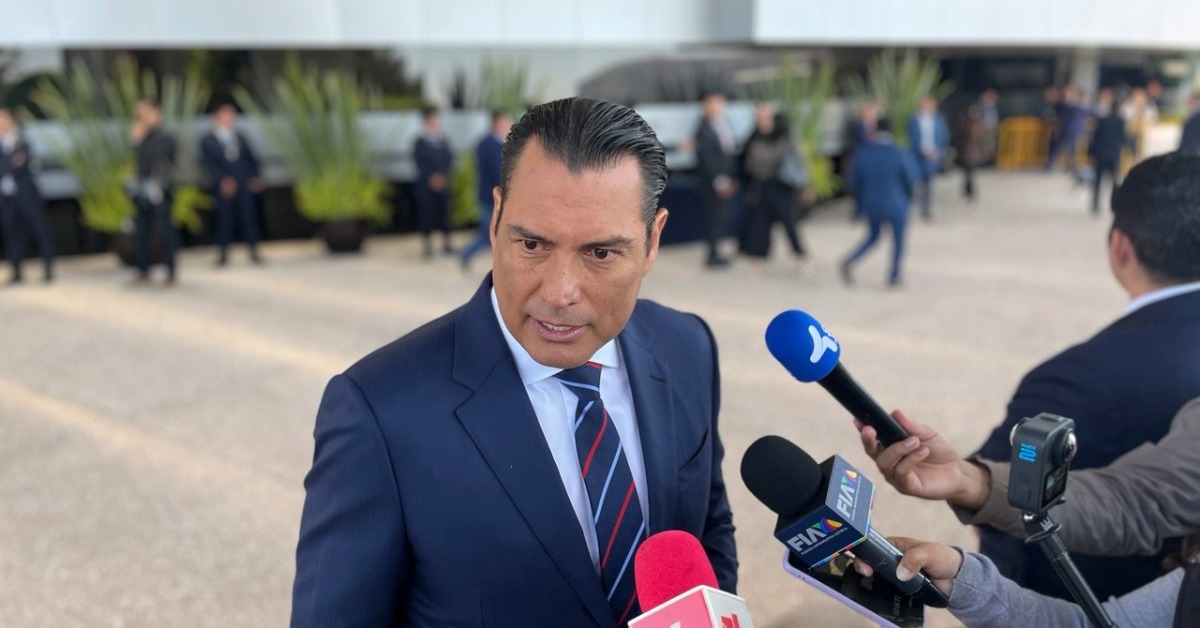
Mayor Mauricio Trejo Pureco is criticizing a proposed passenger rail route linked to San Miguel de Allende. He says the project could change who arrives and how the city earns money. In comments reported in late February and on March 3, 2026, Trejo cited the city’s growth limits. He said San Miguel is a UNESCO World Heritage site and cannot expand like larger cities. Trejo said the city is aiming for cultural tourism and “high-end” visitors. He called that strategy economics and pure mathematics. He warned the train could be another access point for people he called “immigrants”. He suggested newcomers would be unwelcome unless they matched the city’s target economic profile, wealthy travelers.
What is known about the rail plan
Federal officials are advancing several passenger rail projects in central Mexico. One segment already under construction in the Bajío is the Querétaro–Irapuato line, with an intermediate stop in Celaya. During a February 20, 2026, briefing, rail regulators also described a preliminary alignment for Querétaro–San Luis Potosí service. In that draft, the route would cross Guanajuato through Comonfort, San Miguel de Allende, and San Luis de la Paz. So far, authorities have not published station sites for those municipalities. They have also not confirmed whether San Miguel would get a stop or only a pass-through. Some planning notes indicate an existing freight corridor that runs parallel to but avoids several town centers. That leaves open where passengers would board and how they would reach the historic core. After the federal presentation, Trejo posted that the train would pass through San Miguel. He said details would come later, but the announcement has already raised practical questions for residents and visitors.
Why it matters for residents and expats
Local officials say San Miguel’s economy depends on tourism for about 84% of its activity. A new rail link could increase day trips and weekend visits from nearby cities. Supporters also point to work and school travel, as well as fewer long drives. For many expats, the change could mean easier trips to Querétaro and onward connections. It could also support visits to airports, medical care, and services in Mexico City. At the same time, higher arrival volumes can strain local roads and housing. They can also add pressure on the water supply and day-to-day city services. If any station sits far from the centro, last-mile transport will shape the impact. Trejo is tying those pressures to a wider discussion of migration and public safety. Census-based estimates show the municipality has received foreign migrants in recent years. The largest share in those estimates comes from the United States. That context draws attention to language about “immigrants” in a city with many international residents.
What happens next
Key details are still missing, and those gaps are driving the dispute. Federal planners need to confirm whether the line will stop in San Miguel and, if so, where. Any station plan will require coordination on land use, traffic, and heritage protection. The state government has said the final alignment is not yet defined. It has also been said that additional municipalities are still being considered. Trejo has indicated he would seek a meeting if a stop becomes likely. He is asking for coordination with the National Migration Institute, the Guardia Nacional, and local police. Rail regulators are also moving ahead on the Querétaro–Irapuato segment, including station work. That buildout could set expectations for operations, security, and last-mile access. Public consultation will also matter as details move from drafts to decisions. Until there is a published route map, station plan, and timeline, local debate will rely on fragments. For residents and expats, the next signal to watch is a confirmed station location and operating plan.