Three dates are about to stand out on San Miguel de Allende’s calendar. City council has approved new local civic holidays tied to two hometown figures and a moment the city says helped shape Mexico’s early self-government. What happens on those days, and who actually gets time off, will depend on the next steps with education authorities and municipal labor rules. Here’s what the city approved, why the dates were chosen, and what residents and visitors should expect in 2026.
What the council approved
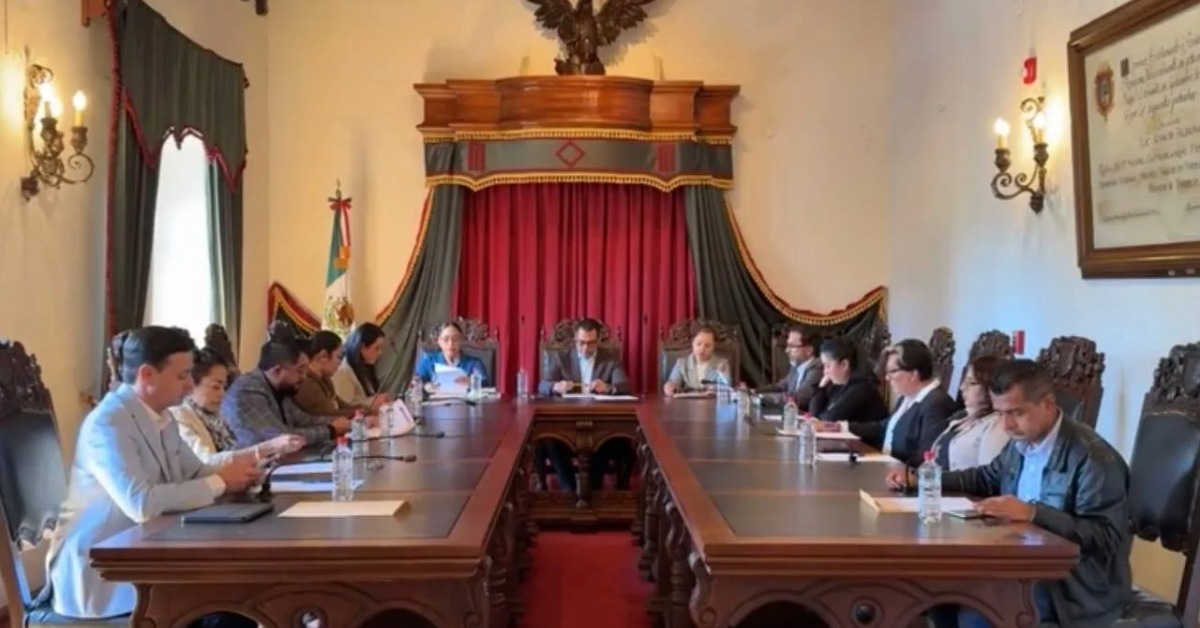
San Miguel de Allende’s city council approved three new local civic holidays. The city would observe days off on January 21, June 22, and September 17. These are municipal dates, separate from Mexico’s federal holiday calendar. The measure creates municipal “days of asueto” tied to local commemorations. Council members voted unanimously. The vote took place on February 25, 2026. The proposal was introduced by council member Diana Lino Baena. She said the dates should help residents attend civic and cultural events in 2026. Many ceremonies happen during normal working hours. The approval also starts a formal process. The agreement will be sent to state and federal education authorities. That notice is key if schools later align their calendars. The municipality must also update its internal labor regulations. Officials said the city will modify its Reglamento Interior del Trabajo to reflect the dates. That step would define the days as non-working for city employees. Private employers would decide on their own policies. Until the rule changes are completed, the reach of the new holidays may vary by institution.
Why these dates were chosen
Each new holiday points to a specific chapter of San Miguel de Allende’s past. January 21 marks the birth of Ignacio Allende, born in 1769 in San Miguel el Grande. Allende later became a central figure in the 1810 independence movement. June 22 recognizes the birth of Ignacio Ramírez “El Nigromante”, born in 1818. Ramírez is remembered for his role in liberal politics and public debate. September 17 highlights the installation of an independent Ayuntamiento in 1810. Local officials describe it as the first such municipal government in independent-era Mexico. The 1810 council was led by Ignacio Aldama, according to the city’s historical account. These dates also fit a broader 2026 milestone. San Miguel is marking 200 years since it was elevated to a city and renamed in 1826. State lawmakers plan a solemn bicentennial session in San Miguel on March 11, 2026. The council’s stated goal is simple: make it easier to show up. In a packed tourism calendar, the city wants civic dates that residents can actually attend.
What it could mean day to day
For residents, the change is most visible in municipal services. Once the labor rules are updated, city offices are expected to close on those dates. That can affect permits, payments, and scheduled appointments. Essential services may keep limited coverage, depending on local planning. Schools are a separate question. The city plans to notify education authorities before any school calendar shift. Until that happens, parents should not assume classes will be suspended. If you rely on in-person paperwork, a buffer day can prevent last-minute delays. For visitors, the new holidays are less about paperwork and more about the street scene. Expect more public ceremonies and larger crowds around the historic center. Traffic controls are also more likely during official events. Hotels and tour operators may highlight bicentennial programming on those dates. For expats living in town, the dates can be useful planning markers. They signal when civic celebrations may overlap with daily routines and business hours.
What happens next
The next steps are administrative, but they will set the real impact. The municipality must complete the legal process to amend its Reglamento Interior del Trabajo. That change governs working days for city employees. Officials also said the agreement will be sent to the state Secretaría de Educación and the federal SEP. Those offices control school calendar decisions and related guidance. A local holiday can be widely observed, or narrowly applied, depending on that alignment. Residents should watch for official notices that confirm office closures and service hours. Clear guidance also helps employers plan staffing and customer expectations. For a city promoting a year of bicentennial activities, predictability matters. It reduces confusion and keeps events accessible beyond a small civic audience. In 2026, that clarity may be as important as the ceremonies themselves. For newcomers, the dates also offer a quick map of local identity. They show which figures and moments the city wants to highlight in public life.