San Miguel de Allende is about to move from anniversary celebrations to a stage shared with the state’s top institutions. A formal session of the Guanajuato congress will put the city at the center of a bicentennial commemoration tied to its elevation to city status in 1826. On the surface, it is a ceremonial event. But the session also carries a message about local influence, state recognition, and how San Miguel is choosing to frame its place in Guanajuato today.
A bicentennial in the state spotlight
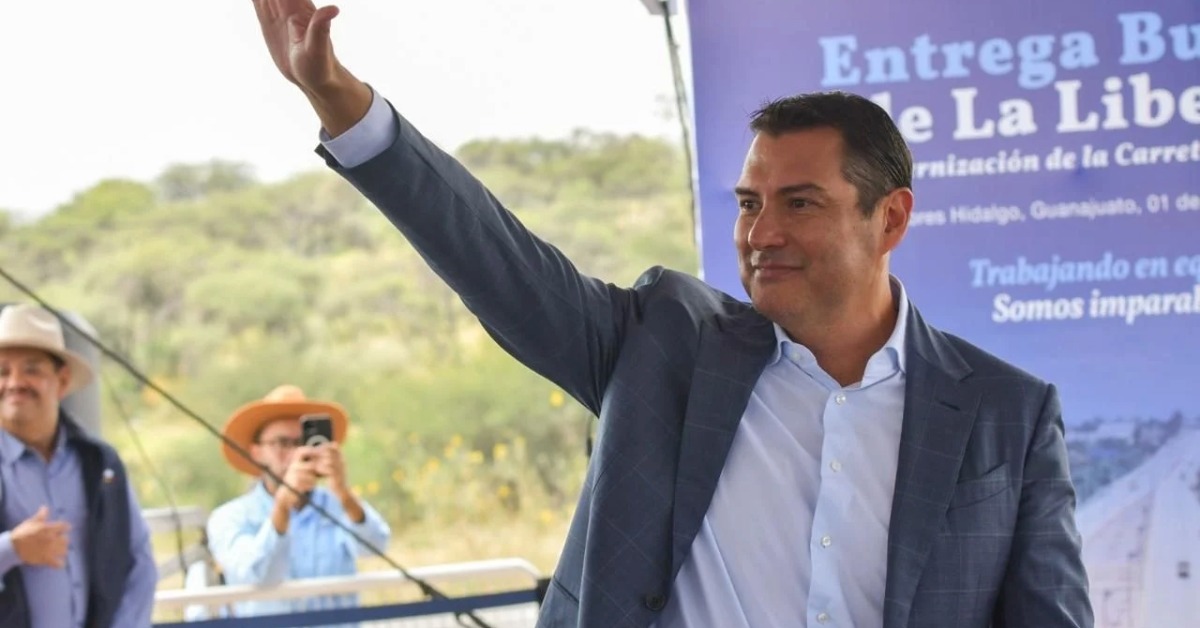
On Wednesday, San Miguel de Allende is scheduled to host a solemn session of the Guanajuato state congress. The event forms part of the bicentennial, marking its elevation to city status. It puts the city at the center of a formal state ceremony. This is not just another stop in a local anniversary program. Municipal authorities have presented it as civic recognition with institutional weight. The date behind the commemoration is March 8, 1826. That was when the former Villa de San Miguel el Grande received city status. It also adopted the name San Miguel de Allende. The session is planned for the historic center. That setting ties the original decision to the city’s public life today. Mayor Mauricio Trejo is expected to receive representatives of the executive, legislative, and judicial branches. Their presence turns a historical anniversary into a broader display of state attention. It also gives the city a rare statewide stage during a milestone year.
That matters because the event is being framed as more than a tribute to local history. It also serves as a public statement about San Miguel de Allende’s place in Guanajuato today. The city’s image is often shaped by tourism, culture, and its status as a heritage site. This session shifts attention back to its civic role. In practical terms, the ceremony connects the past to current institutions. It reminds residents that the city’s identity was shaped by both political acts and its built environment. That distinction matters. It gives the anniversary a clearer public meaning. For readers who follow local affairs closely, the session is more relevant than a standard ceremony. The message is simple. San Miguel is being recognized for its history, but also for its continuing weight inside the state’s institutional life. That is the point local leaders are trying to underline. It is also why the setting matters.
More than a ceremonial visit
The timing adds another layer. The session falls within a wider bicentennial program launched this month under the theme of 200 years of achievements. City officials have paired the anniversary with cultural events and public activities. The congressional session stands apart from those events. It brings state power directly into the civic celebration. That gives local officials a chance to project access, coordination, and visibility. It also gives lawmakers a prominent setting for a formal act tied to Guanajuato’s history. For a city that often makes news through tourism rankings and cultural coverage, that shift matters. The focus moves back to public institutions. That may be the strongest angle in the story. The ceremony is about memory, but it is also about position. It shows how San Miguel wants this anniversary to be understood in the state arena. That framing broadens the event beyond local ceremony and protocol. It also gives the bicentennial a sharper political edge.
For expat readers and other residents, the meaning goes beyond protocol. Public ceremonies like this show how a city chooses to define itself. That is especially relevant during rapid growth and rising international attention. A bicentennial session will not solve local pressures on its own. It will not settle debates about growth, identity, or public space. Still, it shows that San Miguel wants this milestone read in official terms. The setting, the date, and the expected presence of the three branches reinforce that point. What happens after the speeches will matter most. If the anniversary deepens public memory and civic participation, the session will carry real value. If not, it may be remembered as a polished event with limited effect. Either way, San Miguel de Allende is trying to make its bicentennial a civic and political moment, not only a festive one. That is why this formal session matters beyond a single day.
With information from Gobierno Municipal de San Miguel de Allende, Congreso del Estado de Guanajuato