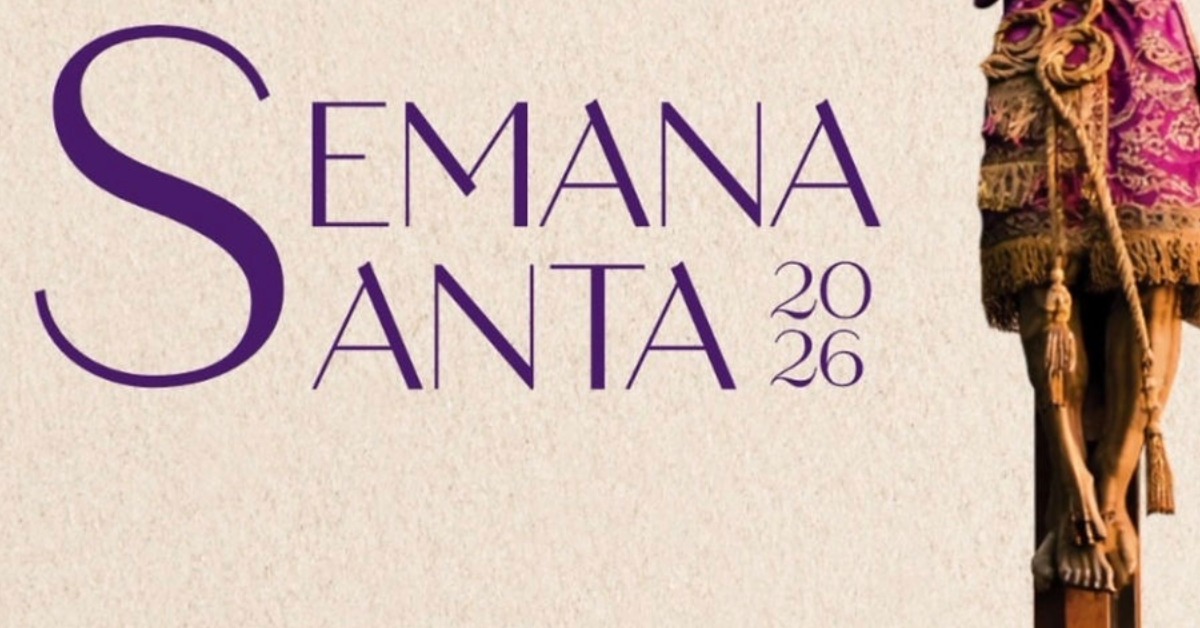
In San Miguel de Allende, Holy Week preparations are not confined to the historic center. In the neighborhoods of San Luis Rey and Santa Cecilia, residents are still filling roles for a community Passion play that has lasted 27 years. The volunteer calls to something larger than casting. It shows how neighborhood traditions are built through rehearsal, church life, and local commitment, even in a city better known abroad for its postcard streets and major religious processions.
A neighborhood tradition still looking for people
Organizers in San Luis Rey and Santa Cecilia are still seeking volunteers for this year’s Viacrucis Viviente in San Miguel de Allende. The neighborhood Passion play reaches its 27th edition in 2026. Several roles are still open, including Roman soldiers, apostles, and other biblical characters. Rehearsals are already underway at the Templo de Santa Cecilia, which also serves as the starting point for the route.
The tradition began in 1999, when residents from both colonias set out to preserve a shared religious custom and strengthen ties between neighbors. That origin still shapes the event today. This is a community staging built by people from the area, many of whom return each year to act, organize, prepare costumes, or help coordinate the stations of the route. The open call for volunteers is part of that same model. The production depends on local participation, not a fixed cast hired from outside.
Why the volunteer call matters
One coordinator said the work goes far beyond learning lines. The weeks before Semana Santa also involve route planning, costume work, scene direction, and the practical task of keeping a large volunteer effort moving. The same organizer once played Jesus for five editions and now helps lead rehearsals and document the event. That detail says a lot about how these traditions survive. Roles change over time, but the commitment stays in the neighborhood.
For readers new to Mexico, a Via Crucis viviente is a live reenactment of the Passion of Christ. In places like San Miguel, it is both a religious observance and a neighborhood project. People not only attend it. They help build it. That is why a volunteer appeal can be meaningful local news. It shows how much of Holy Week still rests on parish networks, family involvement, and residents willing to give time to something that is both public and deeply personal.
How it fits into San Miguel’s Holy Week
The wider calendar in San Miguel shows how dense this season can be. Official tourism listings already include the 203rd visit of the Señor de la Columna on March 22, with a procession from Atotonilco to San Juan de Dios. They also list Viernes de Dolores on March 27, Jueves Santo observances on April 2, and the Santo Entierro procession on April 3. Seen in that setting, the San Luis Rey and Santa Cecilia Passion play is part of a larger city rhythm, not an isolated neighborhood custom.
That wider context matters for international readers. Holy Week in San Miguel de Allende is not limited to the city’s most photographed parts. Some of its most durable traditions live in neighborhood churches, side streets, and volunteer groups that may be less visible to visitors but remain central to local life. These observances can shape traffic, evening activity, and the tone of public space. They also give a clearer sense of how faith, tradition, and community still overlap in everyday Mexico.
Anyone interested in joining the production can go directly to rehearsals at Santa Cecilia. Organizers are meeting on Tuesdays from 8 to 10 p.m. and Thursdays from 7 to 10 p.m. In practical terms, that means there is still time for more residents to step in before the season reaches its busiest days. In cultural terms, it means this long-running Passion play is still being sustained the same way it began: through neighbors showing up.