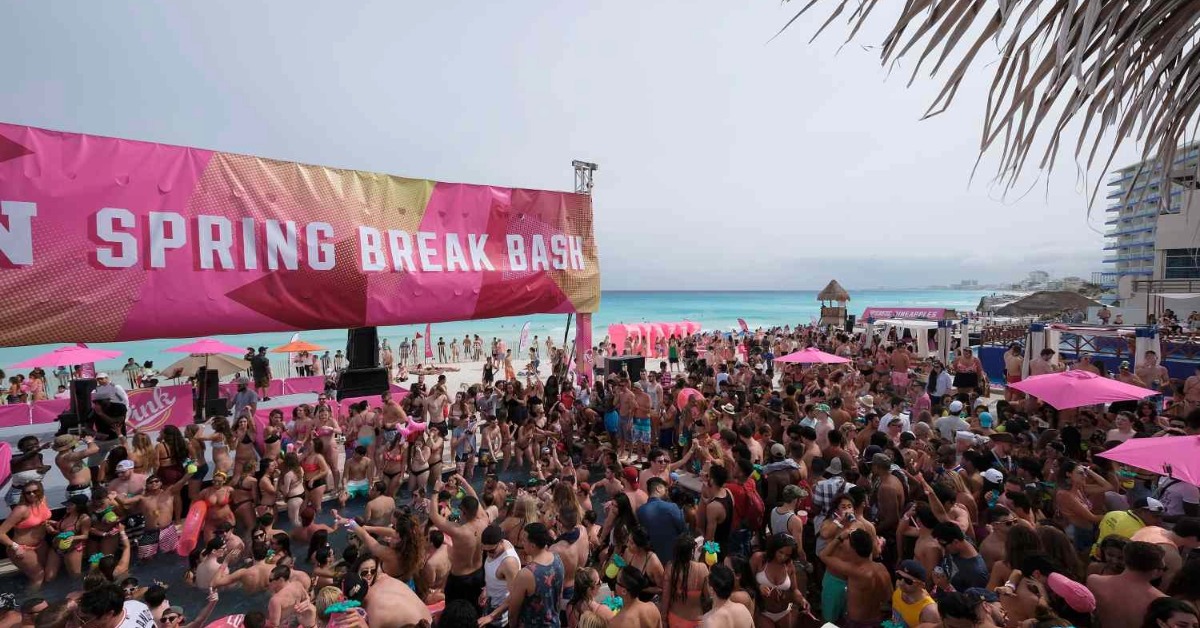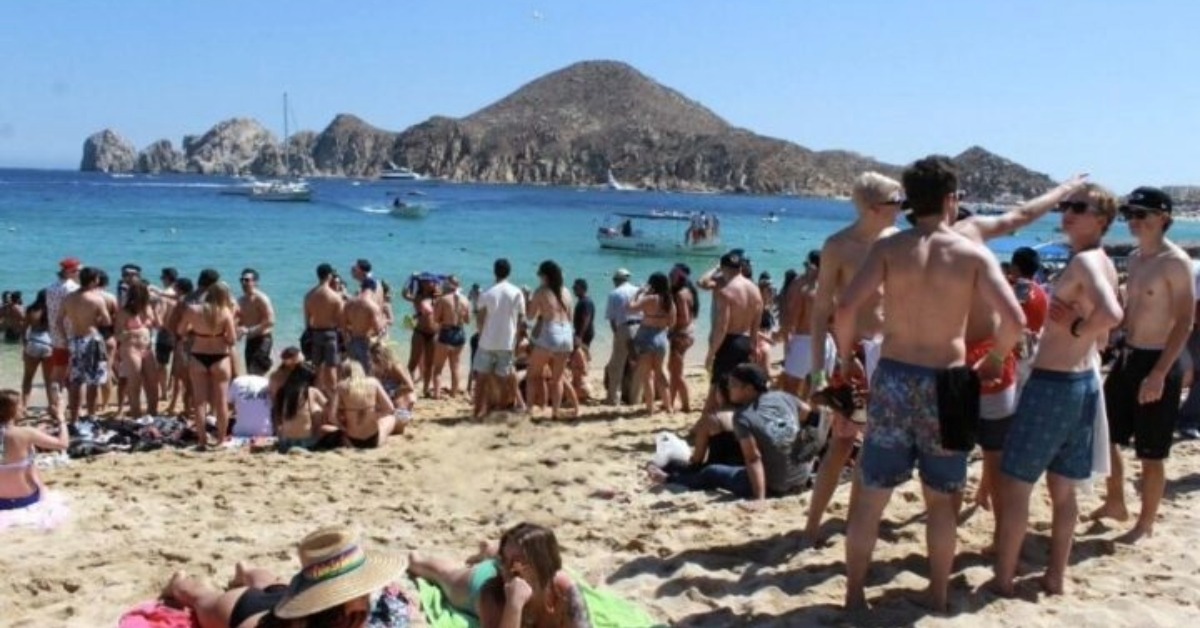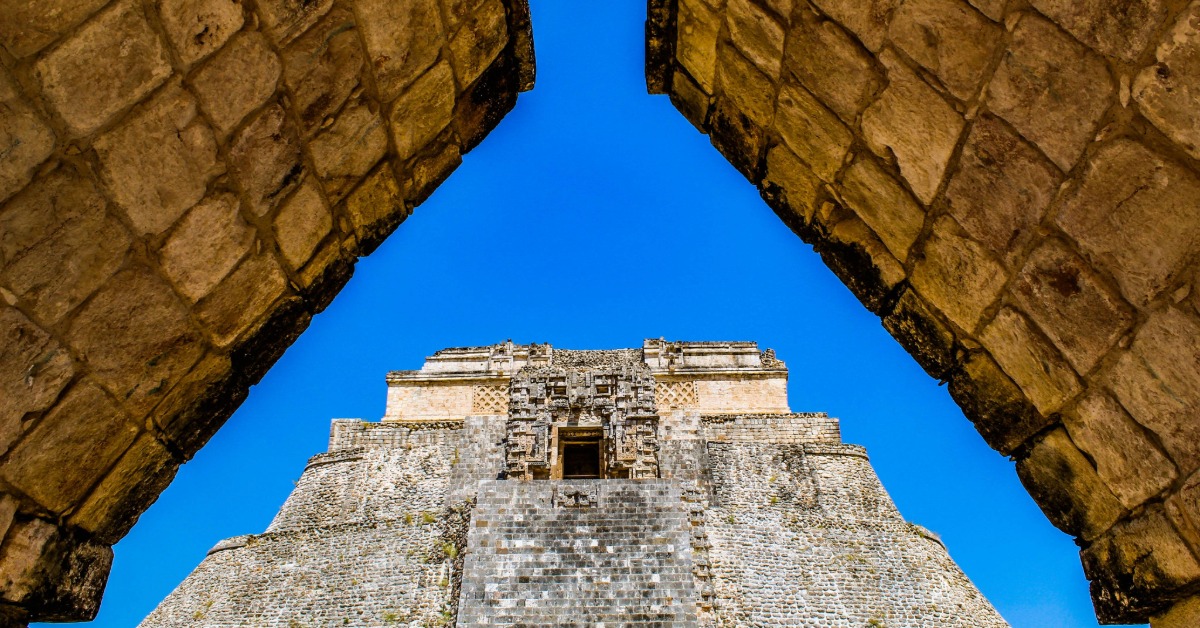
Mexico’s president is trying to send a clear message to foreign visitors: the country is open, protected, and ready to receive them. But the statement lands in a more complicated reality. Tourism is growing, official numbers are strong, and holiday security operations are underway. At the same time, travel risk in Mexico still depends heavily on where you go. Here is what the government said, what the latest data shows, and what travelers should actually take from it.
What Sheinbaum said
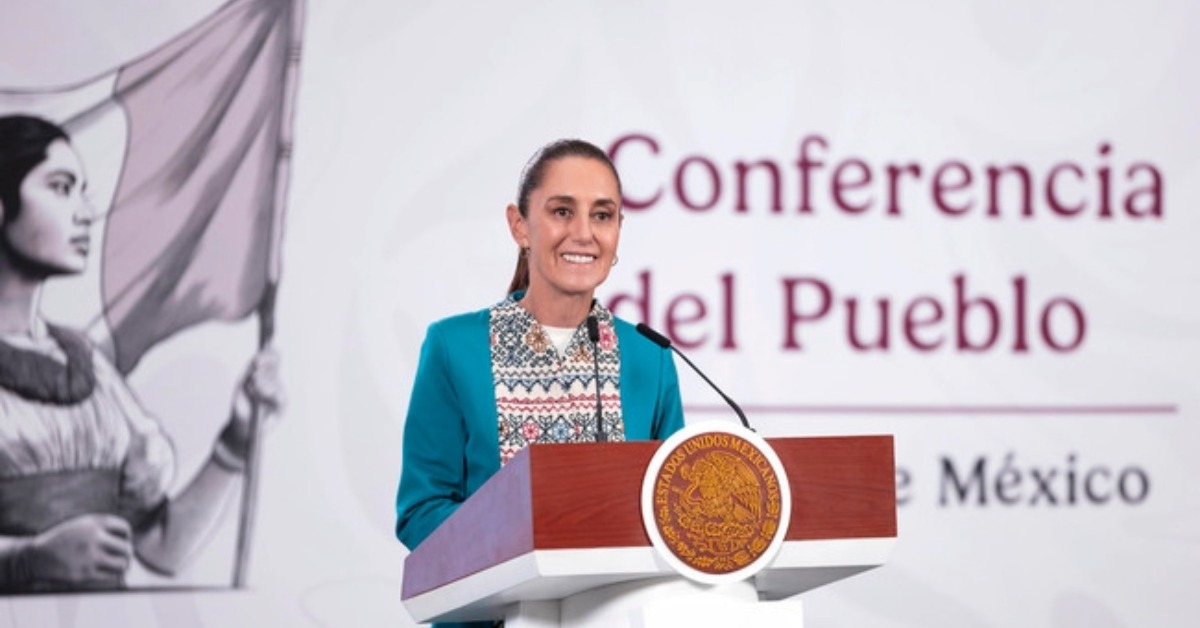
President Claudia Sheinbaum said tourists can visit Mexico safely and that her government has special measures in place to protect visitors. The remarks were part of a broader message aimed at countering perceptions of insecurity and reinforcing confidence in Mexico as a destination.
The statement was not framed as a narrow tourism update. It was also political. The government used it to argue that security concerns should not define the country in the eyes of foreign travelers. That matters because official safety messaging often shapes travel decisions long before a visitor compares hotels, books a flight, or chooses a city.
Sheinbaum also tied the message to Mexico’s preparations for the FIFA World Cup 2026 and to the country’s effort to present itself as organized, accessible, and ready to meet major international demand. In that sense, the comment was about more than spring travel. It was about image, confidence, and long-term positioning.
Why the government is emphasizing tourism now
The timing is important. The comments came just before the Semana Santa travel period, one of the busiest stretches of the year for domestic and international movement. Tourism authorities have already announced seasonal support measures, including expanded roadside assistance through Ángeles Verdes and a broader Semana Santa Segura 2026 operation.
That helps explain why the government chose to pair a safety message with fresh tourism numbers. A reassurance campaign carries more weight when officials can point to visible operations on the ground. It also matters because Mexico is entering a period of repeated international exposure, with holiday travel, summer demand, and World Cup planning all overlapping.
For many readers abroad, the message is simple: Mexico wants travelers to keep coming. For residents and repeat visitors, the deeper question is whether the message matches conditions on the ground. The answer is more nuanced than either the government’s critics or defenders usually admit.
What the numbers actually show
On the data, the government does have a case to make. Official figures for January 2026 showed strong inbound travel. Mexico reported 8.84 million international visitors for the month, the highest January figure on record. Within that total, the country received 4.29 million international tourists, meaning travelers who stayed at least one night.
That distinction matters. In tourism statistics, international visitors are the wider category. It includes people who enter the country for tourism purposes but may not stay overnight. International tourists are the narrower group that actually spend a night in Mexico. The difference is important because headlines can make total visitor numbers sound larger than the overnight tourism market alone.
The revenue figures were also positive. The government highlighted about $3.477 billion in tourism-related foreign currency income in January, up from the same month a year earlier. That gives officials more than a talking point. It gives them measurable proof that demand for Mexico remains strong even as security concerns continue to shape global coverage.
The part the government message does not erase
Still, saying travelers can come safely is not the same as saying all destinations carry the same level of risk. They do not. That is the key context international readers need.
Foreign travel advisories continue to treat Mexico as a country with highly uneven security conditions. The current U.S. advisory keeps Mexico overall at Exercise Increased Caution, but it does not stop there. It assigns different warning levels by state. Some places, including Yucatán and Campeche, sit at the lowest advisory level. Others remain under much stricter warnings. Tourist-heavy areas such as Quintana Roo and Mexico City are still open to travel, but visitors are told to stay alert, especially after dark and outside the most heavily patrolled zones.
That does not mean the government’s message is false. It means the message is broad, while travel decisions are always local. A person spending four days in Mérida faces a different risk picture than someone driving long distances through a conflict-prone corridor. A beachfront resort stay is not the same as late-night movement through unfamiliar urban areas.
This is where official reassurance often loses precision. Safety in Mexico is real for millions of daily trips, flights, hotel stays, and tourism experiences. But it is also conditional. It depends on destination, route, transport, timing, and behavior. That is the context many international readers need in order to interpret a headline like this one correctly.
What travelers should actually take from this
The practical reading of Sheinbaum’s message is not that every concern has disappeared. It is that the federal government believes the country remains broadly viable and attractive for tourism, and wants to protect that image with stronger public reassurance.
For travelers, the smarter takeaway is more specific. Treat Mexico as a country of very different local realities, not a single safety category. Check the advisory level for the exact state you plan to visit. Pay attention to local conditions, not just national headlines. Avoid unnecessary intercity travel at night. Use regulated or app-based transportation where possible. Stay in well-traveled areas after dark. Those habits matter more than any national slogan.
For expats already living in Mexico, none of this will come as a surprise. Many know from experience that the country can feel normal, welcoming, and orderly in one place while conditions are very different a few hours away. That gap between national image and local reality has always shaped how Mexico is discussed abroad.
The government is trying to narrow that gap in the public conversation by pointing to growth, protection measures, and international readiness. The strategy may help reassure hesitant visitors. But the strongest case for travel to Mexico still rests on something more concrete than rhetoric: informed planning, destination-level awareness, and a clear understanding of what the numbers do and do not say.