Sea lions are turning up on beaches and nearshore waters across multiple municipalities on Sinaloa’s coast. Some are dead. Some are alive but exhausted. At least two cases involved fishing-gear entanglement. Authorities say the pattern appears broader than one town and may reflect changing conditions at sea. But the most important facts are still missing: consistent post-mortem work, standardized reporting, and clear public guidance on what to do when the next animal appears.
What authorities say is happening in Sinaloa
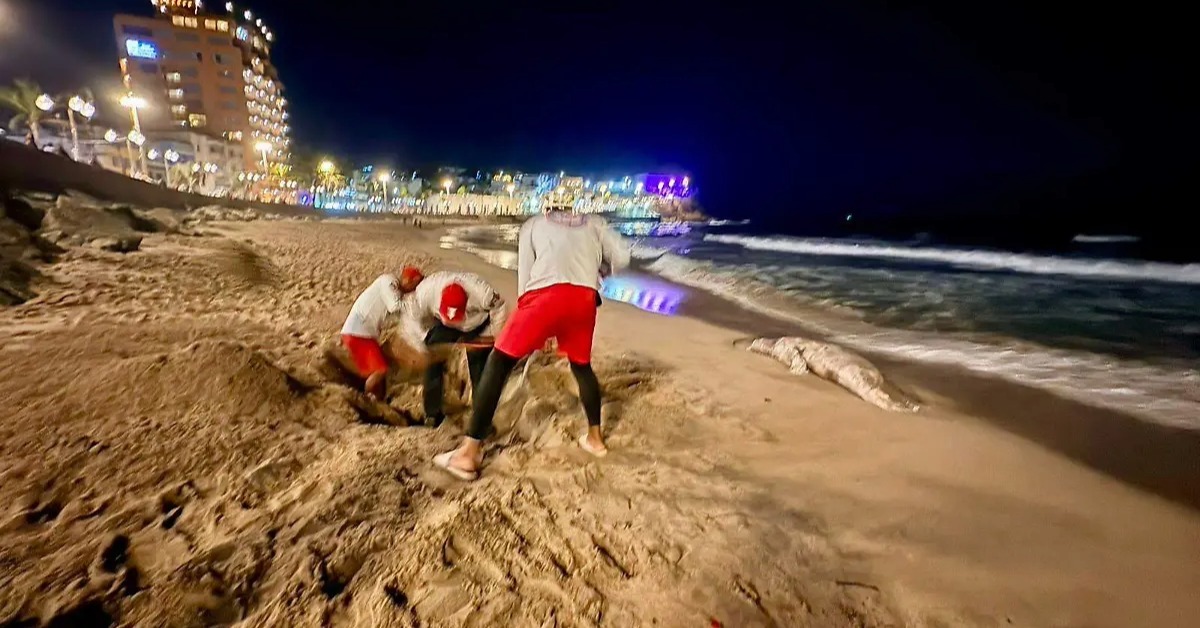
Local and federal responders have documented a cluster of sea lion incidents along the coast since early January, with reports from Mazatlán, Ahome, and El Rosario, as well as sightings farther north and south. In the best-documented cases, a dead sea lion was found at Olas Altas on January 3, and another was reported dead on January 17, with neither case yielding a confirmed cause of death. A separate death was reported on January 23 at Playa El Maviri.
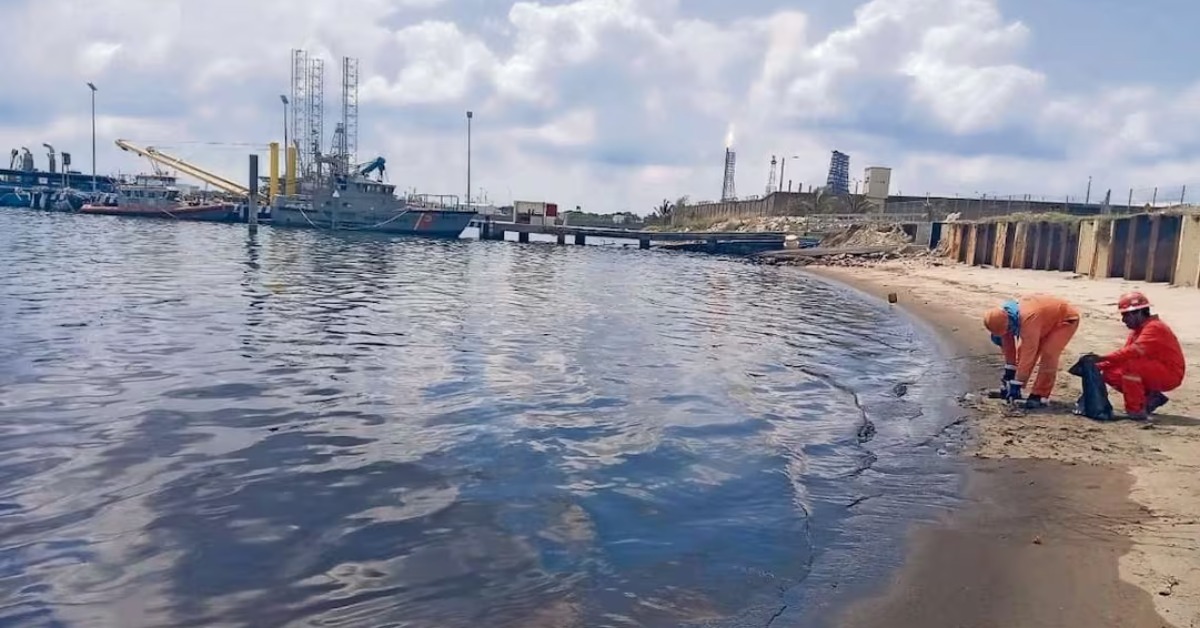
Two incidents underscore direct human-linked risk. In the port area of Topolobampo, an animal was documented with a fishing net around its neck and later died during or after rescue efforts. In early February, another sea lion was reported ashore at Playa El Caimanero with net remnants lodged in its mouth; responders removed the material and returned it to the water.
How Mexico’s stranding protocol shapes the response
Mexico’s national framework for stranded marine mammals treats these events as both a conservation issue and a public-safety issue. The protocol (published in the Federal Register) defines a stranding as one or more marine mammals reaching land alive or dead, or remaining in shallow water unable to return or needing veterinary attention. It assigns coordination authority to the Procuraduría Federal de Protección al Ambiente, including receiving reports, organizing a response, and coordinating the investigation of likely causes. The same document frames causes in two broad buckets: natural drivers (such as disease or adverse environmental conditions) and human-linked drivers (including damage from fishing gear, pollution events, or vessel collisions).
Operationally, the protocol is explicit about the first minutes on-scene, where many well-meaning mistakes occur. It says stranded animals should not be moved or pushed back into the water before evaluation, and public access around the animal should be controlled. It also highlights basic safety: avoid unnecessary touching, keep away from the animal’s head and mouth, and avoid exposure to body fluids. Importantly for bystanders, the protocol emphasizes that high-quality reporting matters, calling for precise location, time, observed condition, and photos or video when safe to obtain.
Why strandings can spike
Officials in Sinaloa have not released a confirmed cause for the cluster described in late February coverage, and the federal delegate Marco Moreno León said technical analysis is needed before attributing the behavior to any single factor. That caution is consistent with marine-mammal science. Strandings can rise for multiple reasons at once, including shifts in prey distribution, disease, toxins, and direct human injury.
Two drivers stand out as recurring explanations in the wider literature—without proving either is responsible in this case. First, harmful algal blooms and associated toxins can sicken top predators. A recent systematic review of California sea lion health literature identifies domoic acid intoxication as the leading cause of sea lion strandings in the record it synthesized, and notes neurological effects that can impair navigation and behavior. Second, warm-water anomalies can disrupt food webs and concentrate young animals closer to shore, where they are more likely to strand. A case analysis shared by Centro de Investigación en Alimentación y Desarrollo linked increased marine-mammal mortality in the Gulf of California during an El Niño period to reduced prey availability, with juveniles described as especially vulnerable.
Entanglement and human-wildlife contact risks
Several of the recent Sinaloa incidents involve entanglement, which turns a wildlife-health question into a marine-debris and fisheries-management question. Field research in the Gulf of California has documented entanglement of California sea lions in fishing gear, with nets as the primary gear type implicated and lines or ropes also involved. Separate peer-reviewed work on sea lion interactions with artisanal fisheries in the same gulf reports measurable levels of enmalle (entanglement), linking risk to overlap between feeding areas and gillnet activity. The takeaway for the current Sinaloa cluster is straightforward: even a single net strand around the neck or mouth can drive exhaustion, infection risk, and death, and the animal is capable of injuring a person during attempted help.
Public-contact rules are not just about the animal’s welfare; they also reduce human injury and disease risk. The national protocol warns against close handling and highlights exposure risks from bites and contact with bodily fluids. Guidance echoed in recent public-facing advisories emphasizes avoiding feeding, avoiding harassment (including throwing sand or water), and controlling pets to prevent attacks and disease transmission. For expat residents, the practical point is that a “resting” sea lion on a beach can look deceptively calm. The safer assumption is to maintain distance, let trained staff assess the situation, and avoid actions that force the animal back into the surf.
What’s missing and what to watch next
The most consequential gap in the current Sinaloa discussion is verification. Multiple reports note that the cause of death was not determined in several carcass findings, and officials and local specialists have pointed to the need for stronger technical follow-up. In a high-visibility entanglement case near Topolobampo, authorities indicated necropsy plans after the animal died, which—if completed and summarized publicly—could clarify whether trauma, infection, or broader environmental stress played a role. The national protocol explicitly anticipates this kind of work: it includes cause identification and coordinated support from other agencies and technical experts, and it specifies the kind of structured information needed from first reports onward.
Capacity constraints are also part of the story. One February report notes that local federal offices may lack in-house veterinary specialists, relying instead on coordination with academic partners and institutions such as Gran Acuario Mazatlán. That reliance is not inherently negative, but it increases the importance of clear activation thresholds and communication, especially in tourist zones. On the monitoring side, a local report said Centro de Investigaciones Oceánicas and the aquarium publicly reaffirmed readiness to support authorities and urged the public not to approach or attempt to move animals. The next “signal” to watch is whether agencies publish consolidated counts, post-mortem findings, or environmental screening results rather than isolated incident updates.