A subtle shift is happening in how people explore Mexico. While the beaches remain a staple, a new trend is pulling travelers toward the heart of the Maya world. Recent data reveals a sudden spike in independent travel to ancient ruins, driven by a desire for a deeper connection. What is sparking this change in the south, and why are more visitors opting for the driver’s seat over the tour bus? This growing movement is reshaping the local tourism landscape.
A Shift Toward Cultural Exploration
The Ministry of Tourism recently reported a notable increase in travel to the country’s interior. While coastal regions still draw large crowds, archaeological zones are seeing a distinct rise in foot traffic. This trend reflects a broader move toward cultural travel among international visitors and residents. People are looking for experiences that go beyond the typical resort stay. They want to engage with history and explore the unique landscapes of Southern Mexico.
This shift is particularly evident during holiday periods. During the March 2026 long weekend, hotel occupancy across the country rose steadily. However, the most striking data involves how people are moving between destinations. Rather than staying in one place, travelers are moving across state lines to visit multiple historical landmarks. This behavior suggests that the modern traveler values variety and educational experiences during their downtime.
Flexibility Drives the Rental Market
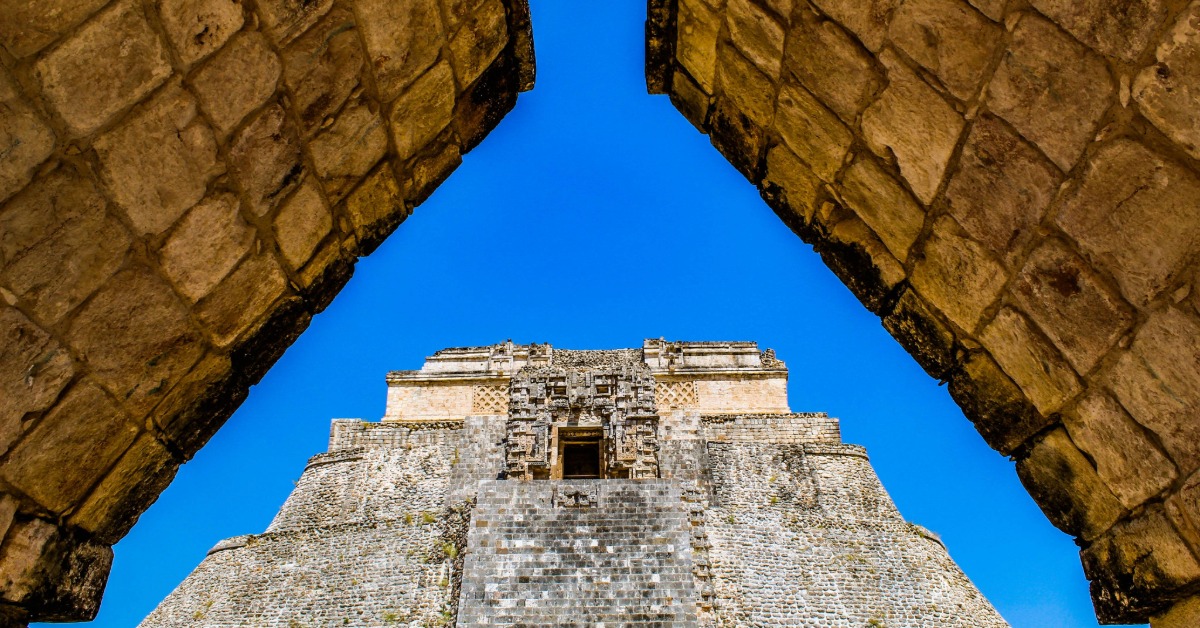
The surge in vehicle rentals is a direct result of this desire for autonomy. Many travelers now prefer the freedom of a personal car over rigid tour schedules. This is especially true for those visiting sites like Palenque or Uxmal, which are located further from major urban hubs. Having a car allows visitors to arrive early and beat the crowds. It also provides the chance to discover smaller, less-frequented ruins along the way.
For the expat community, this independence is a key part of the appeal. Living in Mexico often inspires a deeper curiosity about the region’s diverse heritage. Renting a vehicle makes it easier to plan custom itineraries that include “Pueblos Mágicos” and local markets. This trend has led rental agencies in cities like Mérida and Cancún to expand their fleets to meet the demand for reliable, long-distance transportation.
The Role of the Spring Equinox
The timing of this surge coincides with the Spring Equinox, a major event for Mexico’s historical sites. Every year, thousands of people flock to places like Chichén Itzá to witness unique solar alignments. In 2026, the interest in these celestial events has reached new heights. The Ministry of Tourism noted that the influx of visitors was not limited to the most famous landmarks. Smaller sites across the Yucatan Peninsula also saw record numbers.
Authorities have responded by improving road signage and safety measures on routes leading to these zones. The goal is to ensure that the increase in independent travel remains sustainable and safe. As more people take to the roads, local economies in rural areas are benefiting from the extra traffic. Small businesses, from roadside diners to artisanal craft shops, are seeing more customers than in previous years.
Impact on Southern Hubs
The rise in cultural inland travel is transforming the South’s economy. While the Caribbean coast remains a powerhouse, inland cities are becoming vital tourism nodes. Places like Mérida are serving as base camps for travelers heading into the jungle or toward the coast. This diversification helps distribute the economic benefits of tourism more evenly across the region. It also reduces the pressure on overcrowded beach destinations.
As we look toward the rest of 2026, this trend shows no signs of slowing down. The combination of better infrastructure and a growing appreciation for history is a powerful draw. Travelers are no longer content with just a sunbed and a pool. They want to see the stones, hear the stories, and drive the roads that lead to the heart of the Maya civilization. This new era of exploration is just beginning.
With information from Mundo Ejecutivo, Secretaría de Turismo (Sectur)