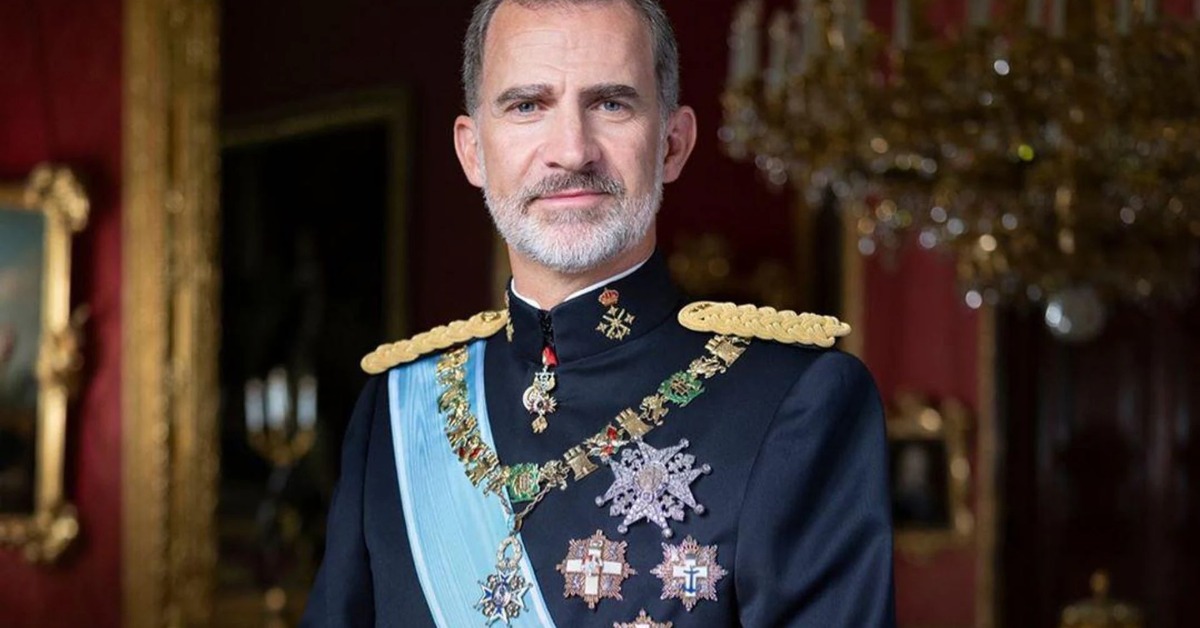
A few words from Madrid carried immediate weight in Mexico. King Felipe VI said the conquest brought “much abuse,” a notable shift after years of royal silence. But he did not apologize, and that distinction matters. The remark came during a visit to an exhibition on Indigenous Mexico, turning a cultural event into a diplomatic signal. For international readers, the story is not only about history. It is about how history still shapes relations between states, public memory, and present-day politics.
Spain’s King Felipe VI said Monday that the conquest of the Americas involved “much abuse.” That brief phrase revived one of the most sensitive disputes in Mexico-Spain relations. He made the remark in Madrid during a visit to “La mitad del mundo. La mujer en el México indígena,” a binational exhibition focused on Indigenous history and the role of women in those societies.
The king also said some episodes cannot inspire pride when seen through today’s values. He added that they should still be studied in historical context and with rigor. That balance was familiar. What was new was the speaker. For years, Mexico’s grievance centered on the lack of a direct answer from the Spanish monarch. Monday’s wording was not a formal apology, but it was a direct acknowledgment from the Crown that serious abuses occurred.
Why this matters in Mexico
To many readers outside Mexico, this may sound like a distant dispute about the past. In Mexico, it is not. The debate touches historical memory, Indigenous recognition, public commemoration, and the language states use to describe old violence. It also points to a larger question. Should former colonial powers only contextualize conquest, or should they apologize for it?
That is why a museum visit in Madrid quickly became political news in Mexico. The remark struck at the precise point that Mexican leaders have pressed since 2019. Mexico has argued that the conquest was not only a founding encounter. It was also a process marked by domination, dispossession, and abuse. In diplomacy, the difference between regret, acknowledgment, and apology is not minor. Each term carries a different political weight.
How the dispute escalated
In 2019, President Andrés Manuel López Obrador asked the Spanish Crown and the Vatican to publicly recognize and apologize for abuses committed during the conquest. Spain rejected the idea of judging history by present-day standards. The king did not send the direct reply Mexico wanted. Over time, that silence became part of the dispute itself.
The issue resurfaced in 2024, when Claudia Sheinbaum did not invite Felipe VI to her inauguration. Mexico said there had still been no formal response to the 2019 letter. Spain called the exclusion unacceptable and chose not to send any representative to the ceremony. What might have remained a symbolic historical dispute became an active diplomatic problem.
A cultural opening, but not a final settlement
Recent months had already hinted at movement. During the opening phase of the same Mexico-focused exhibition in Madrid last year, Spain’s foreign minister acknowledged pain and injustice toward Mexico’s Indigenous peoples. Sheinbaum described that as a first step. Felipe VI’s new remarks go further in one clear way. This time, the language came from the monarch himself, not only from the government.
The setting also mattered. The exhibition was organized by Spanish and Mexican institutions and presented as a binational effort. Its stated aim was to reinforce ties by recognizing the historical importance of Indigenous cultures and the central role of women in them. That gave Felipe’s comments extra weight. A cultural bridge suddenly became a diplomatic message.
Even so, the king stopped short of the formula Mexico has demanded. He did not ask forgiveness. He did not offer a state apology. Instead, he recognized abuse, stressed historical context, and said the past should be studied with objectivity. That may soften the tone of the relationship. It does not automatically settle the argument.
The near-term impact may be more symbolic than practical. Diplomatic language often changes before protocol or policy does. Still, words from a head of state matter because they can reset a conversation. Until now, Spain’s royal position had been defined as much by silence as by policy.
For many in Mexico, the deeper issue is not only what happened five centuries ago. It is also who gets to name that history today. It is about whether public institutions recognize Indigenous peoples as central to the nation’s past and present. That is why “much abuse” matters. The phrase may mark a shift in tone, while leaving the central demand for a formal apology unresolved.