Mexico’s Supreme Court has stripped Grupo Xcaret of the legal protection that allowed it to continue using Maya symbols and imagery in tourism promotion while a broader case moved forward. The ruling does not end the dispute, but it does force the company to pull those elements from ads and online promotion for now. For readers outside Mexico, the decision is also a window into a larger question: who controls Indigenous cultural heritage when it becomes part of a major tourism business?
What the court decided
Mexico’s Supreme Court ruled against Grupo Xcaret in a 7-2 vote. It said the company can no longer keep using Maya cultural elements in its advertising under a court-ordered suspension. In practical terms, Xcaret must remove those elements from its publicity and website while the larger legal fight continues. The decision reversed an injunction granted by a lower court in 2025.
This point matters because the ruling was not the final judgment in the full case. The justices were deciding a narrower question. Could Xcaret continue to benefit from temporary court protection while the dispute moved forward? The majority said no. The company loses that interim protection now. The underlying case still has to be resolved on the merits.
The court’s reasoning was direct. The justices said the public interest in protecting Indigenous cultural heritage outweighs a company’s commercial interest in keeping the material in circulation. They also said the harm Xcaret described was mainly economic. In the court’s view, that did not outweigh the state’s duty to protect cultural heritage held collectively by Indigenous communities.
Why the dispute began
The conflict goes back to 2022. A complaint was filed before Mexico’s copyright authority, INDAUTOR, over Xcaret’s use of Maya cultural expressions in tourism promotion and related commercial activity. The dispute later became more complicated. An agreement was reached with the Gran Consejo Maya de Quintana Roo, and that body withdrew from the administrative complaint. Even so, other Maya community members continued to challenge the company’s use of those elements.
That history is one reason the case drew so much attention. Xcaret’s position has been that it was not acting without authorization. The company relied on its agreement with the Gran Consejo Maya. It argued that this supported its right to keep using the material while the courts reviewed the larger dispute. Some justices accepted that this raised a serious legal question. The majority did not.
For the majority, the central issue was not whether one council had signed a contract. It was whether that contract could stand in for the consent of the Maya people as a whole. The court said it could not. The justices said Maya cultural heritage belongs to the people and communities that hold it. It is not owned by a private company. It also cannot be treated as if one body alone could dispose of it for everyone.
Why this matters beyond Xcaret
For international readers, this is where the case becomes bigger than one tourism company. Mexico has a federal law that protects the collective cultural heritage of Indigenous and Afro-Mexican peoples and communities. That law says the heritage of a people or community is reserved for that people or community. It also says third parties cannot use it unless they have free, prior, and informed consent.
The law also treats this protection as a matter of public interest. That phrase is important in Mexican courts. It means judges are not only weighing a private business dispute. They are also weighing the state’s duty to protect something the law considers socially important. In this ruling, the Supreme Court said that duty outweighed the company’s argument that taking down the material would damage its business.
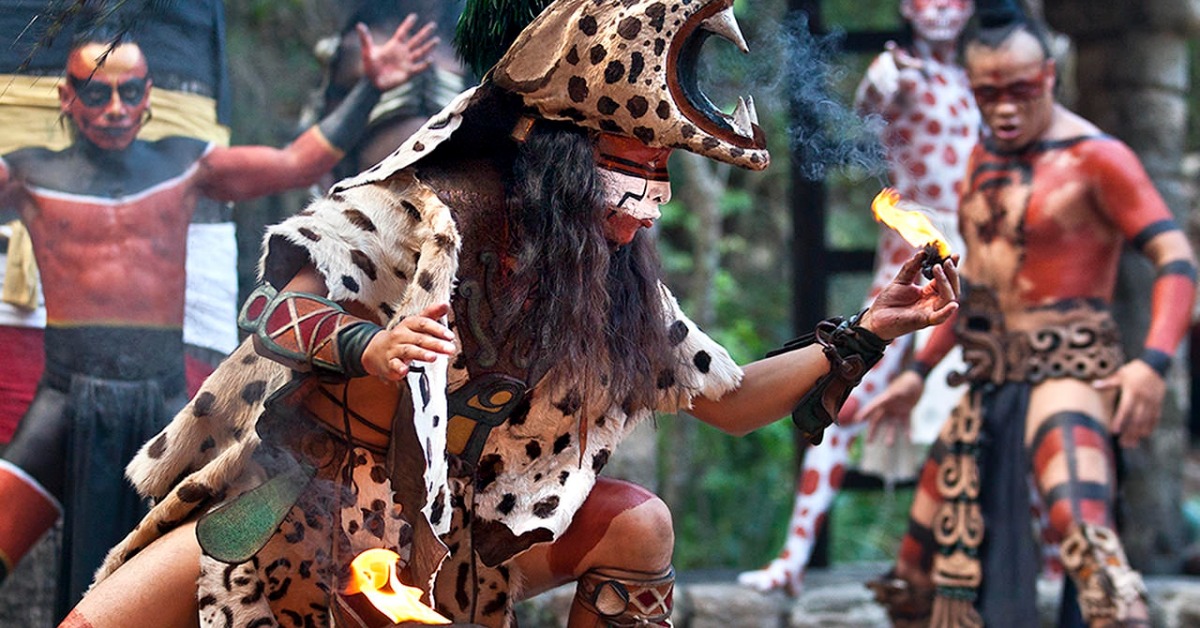
The decision also sends a broader message. Indigenous heritage is not being treated as generic national imagery that any company can package for tourism. The ruling points toward a stricter line between broad cultural branding and the use of specific living expressions tied to identifiable peoples and communities. That does not mean all cultural references in tourism will now be banned. It does mean companies face a clearer warning when branding crosses into protected community heritage.
What the court did not decide
It is also important to keep the limits of the ruling in view. In Mexican legal terms, the Supreme Court fight centered on a suspension in an amparo case. That is roughly comparable to an injunction in a constitutional dispute. The court did not issue a final merits ruling that permanently settles every claim against Xcaret. It revoked the suspension that had allowed the company to keep using the material during the litigation. The main case still has to run its course.
Still, temporary rulings matter. In disputes like this, they often shape what happens on the ground for months or longer. By denying the suspension, the court restored the weight of the precautionary measures that authorities had previously tried to enforce. In plain terms, Xcaret cannot continue doing now what the lower court had allowed it to do.
That gives the decision wider importance for tourism, branding, and Indigenous rights in Mexico. Resort operators, developers, and event businesses often rely on Indigenous identity, rituals, symbols, and language in marketing. The ruling suggests these are not simply creative assets. They may be legally protected elements of a people’s cultural patrimony. Their use can require a level of consent that goes beyond a normal commercial deal.
What happens next
Xcaret is expected to comply with the ruling while the broader case continues. The next stage will look more closely at the merits. It will address whether the company’s past and present uses violated the law and what remedies may apply. The decision could later become an important reference point for other cases involving tourism, entertainment, fashion, and branding.
For now, the immediate takeaway is clear. Xcaret lost the court protection that had let it keep Maya imagery in circulation during the case. The Supreme Court said the balance should favor the protection of Indigenous cultural heritage. It also said the communities tied to that heritage must have the decisive voice over how it is used.
For readers who follow Mexico through the lens of travel and lifestyle, the case is a reminder that tourism here often sits atop deeper legal and historical questions. The image of “Maya culture” has long been used to sell destinations in southeastern Mexico. The court is now saying those images are not just promotional shorthand. They are part of a living heritage with rights-holders who must be heard.
With information from Supreme Court Move Puts Xcaret Maya Branding at Risk, Suprema Corte de Justicia de la Nación, Cámara de Diputados