You can have the right document and still lose the morning. In Mexico, the difference is often a missing photocopy, a mismatched code, or an address proof that is “too old.” This guide breaks down the paper logic behind copia simple, why CURP and RFC show up in unexpected places, and how to build a small document system that travels well. Once you see the pattern, most errands become predictable, even when the rules feel inconsistent.
Why photocopies are a system requirement
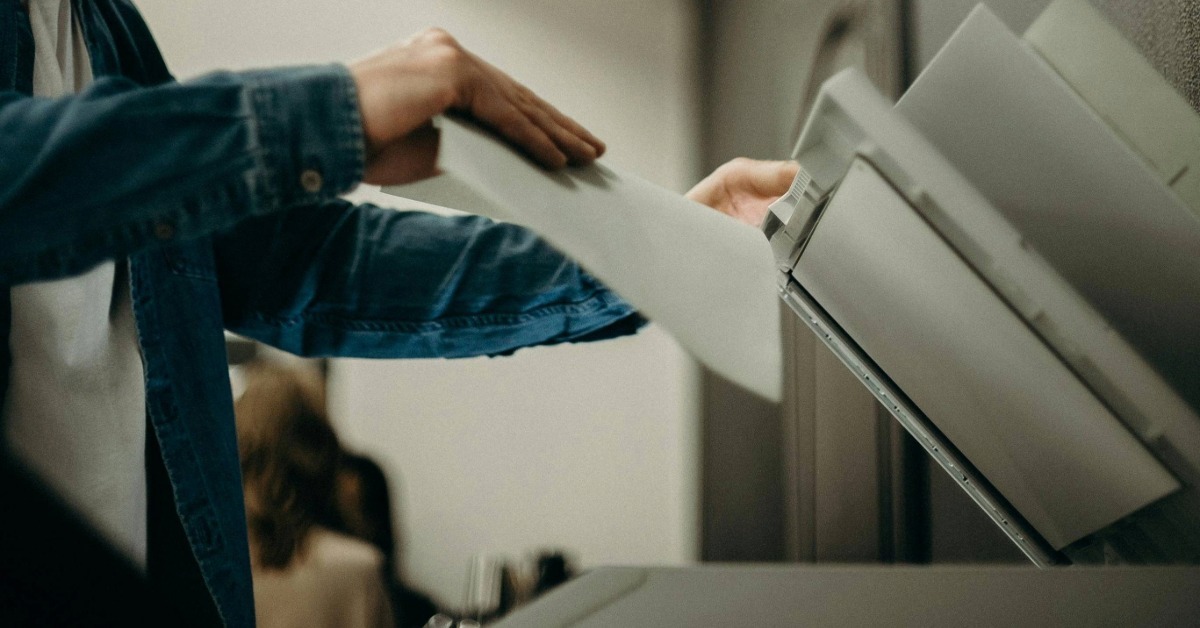
Mexico’s paperwork culture is not only a habit. It is also built into federal procedure. Under the Ley Federal de Procedimiento Administrativo, a standard rule applies unless a specific rule says otherwise. Trámites are presented in original, and the supporting documents are attached as a copia simple. If you want an acuse de recibo, the rule expects one more copy for that stamp. This is why a clerk can accept your passport, then immediately ask for a photocopy. They are assembling an expediente, and the file needs a clean set of papers that stays behind. Even offices with scanners often keep the paper flow, because the copy can be stamped, filed, and referenced fast. The takeaway is to plan for paper as the default, and treat digital files as support. When a requirement seems arbitrary, it often stems from “original plus copy” rules that agencies use to reduce disputes over what was submitted.
You see this rule written plainly in immigration processes. The Instituto Nacional de Migración (INM) states a general requirement for its procedures: submit documents in original, with attachments in copia simple. It also notes the extra-copy pattern when you want a receipt copy stamped as proof of delivery. For common status changes, the agency expects your passport (or travel document) in its original form, along with a copy, as part of the base file. In practice, the clerk checks the original and keeps the copy. This helps explain why the same photocopy request shows up at unrelated counters. For many offices, “copy” means an ordinary photocopy, not a notarized copy. A copia certificada is different. It is a copy that a notary certifies for limited legal uses. Knowing which one is being requested matters because certified copies take time and cost money. When the form says “copia simple,” assume a standard photocopy unless the office tells you otherwise.
CURP is the identity key many offices expect
In everyday errands, CURP shows up as often as your name. It is a population identifier used across many databases. Mexican consular guidance describes CURP as a key that registers people who live in Mexico. That includes nationals and foreigners. The code is 18 characters. Most characters are built from identity documents, and the final characters are assigned by the Registro Nacional de Población (RENAPO). That structure matters because offices use CURP to reduce name matches. It also links your records across agencies. The tax authority provides a service that validates CURP through RENAPO. The instructions include printing the search result when you need a paper copy. That printout also helps when a form requires the full code. It reduces transcription errors at the counter. If your name varies across documents, ask how to record it. Small differences can surface later, when you register for taxes or update a file. Keep a current copy in your document folder.
CURP is not a photo identification. It is a matching key. Most offices still ask for a separate identity document, such as a passport or a resident card. They often keep a copia simple in the file. This is consistent with the “original plus copy” approach described in federal administrative rules. If a clerk asks for “CURP,” clarify whether they want the number, a printed page, or both. The answer changes by counter, and sometimes by staff member. If you are building a paper set for appointments, treat the CURP printout like a cover sheet. It is quick to replace, and it limits extra handling of originals. Also, keep the code in a secure note so you can enter it into online forms without having to guess. When a system rejects your CURP, the record may need to be reviewed. In that case, verification with the relevant registry matters more than more photocopies. The printout is an easy reset.
RFC and the documents that travel with it
After CURP, the second code that appears in daily life is RFC. RFC is the tax identifier used by the Servicio de Administración Tributaria (SAT). For individuals, the RFC is 13 characters. For companies, it is 12 characters. The structure includes letters linked to names, a date segment, and a three-character homoclave. SAT describes the homoclave as characters assigned to avoid duplicates in the register. You do not need to be running a business to encounter RFC requests. It can appear in leasing workflows, invoicing, employment onboarding, and some banking processes. When a counter asks for “your RFC,” clarify which paper they want. Sometimes they want only the code. Often, they want a document that proves it, such as the Cédula de Identificación Fiscal (CIF). SAT provides an online process to generate the CIF. It describes the CIF as a way to certify your RFC with a QR code and key registry details.
If you need to register for an RFC, SAT treats the process as a formal file, not a simple lookup. For adults, SAT describes RFC enrollment as free. It links timing to when you have the obligation to register. One common category is “personas físicas sin obligaciones fiscales.” That shows an RFC can exist without ongoing filings. For foreigners, SAT lists a valid documento migratorio as the identity base for registration. It also requires a comprobante de domicilio as an original document. SAT publishes accepted proofs and recency rules. Those rules are flexible in one way that matters for many renters. For individuals, SAT states that some address proofs can be in a third party’s name. Some document types have stricter limits or conditions. Once you have an RFC, SAT offers tools to retrieve supporting documents. It provides a service to generate a Constancia de Situación Fiscal with your CIF. SAT explains that the constancia contains more data than the CIF alone. If you already have a CURP, SAT also offers a service to consult your RFC through that CURP.
A document system that reduces repeat trips
Once you accept that many offices run on paper, the goal becomes consistency. Build a simple document system that separates what must stay safe from what must move. Keep your originals in one secure location and limit how often they leave the house. Create a second set that is designed for appointments. That set should include clear photocopies of the documents that are repeatedly requested, like your passport bio page, your resident card, and your latest CURP printout. Treat these as working copies, because they may be stamped, written on, or collected. Add a small “appointment packet” that you can refresh before each visit. Start with blank sheets and bring them to the shop or office that makes copies. This matters because you cannot predict which page will be requested. The federal rule for original + copia simple explains why, but the exact mix still varies. When you arrive with a prepared copy set, you reduce the chance of having to leave the line to find a copier.
Make the system work in both directions, paper to digital and digital to paper. Scan what you submit and what you receive, including stamped receipts and appointment confirmations. Name files in a way that matches how offices think, with the document type and date first. Keep the digital folder synced, but assume a counter may still ask for paper. This is where a small printer, a copy shop, or a friend’s printer can save a trip. Pay special attention to comprobante de domicilio. Many processes require it to be recent, and SAT publishes accepted document types with time limits. If your lease or utility bill is not in your name, keep the version SAT recognizes for individuals and a copy of the supporting agreement. Also, keep an up-to-date Constancia de Situación Fiscal file. SAT allows you to generate it online, and it packages key tax identity details in one document. When you treat documents as a living set, the bureaucracy becomes a series of repeatable steps, not a series of repeated surprises.