Thirty bodies in one month is already a major development. What makes this case harder to ignore is what comes next. Seventeen victims have already been identified, but families and search collectives say recovery is only one part of the job. They want faster forensic work, more personnel, and stronger urgency from the state. The discoveries in the Mexicali Valley also raise a larger question that appears again and again in Mexico: whether authorities are keeping pace with the scale of the disappearance crisis.
A month of grim discoveries
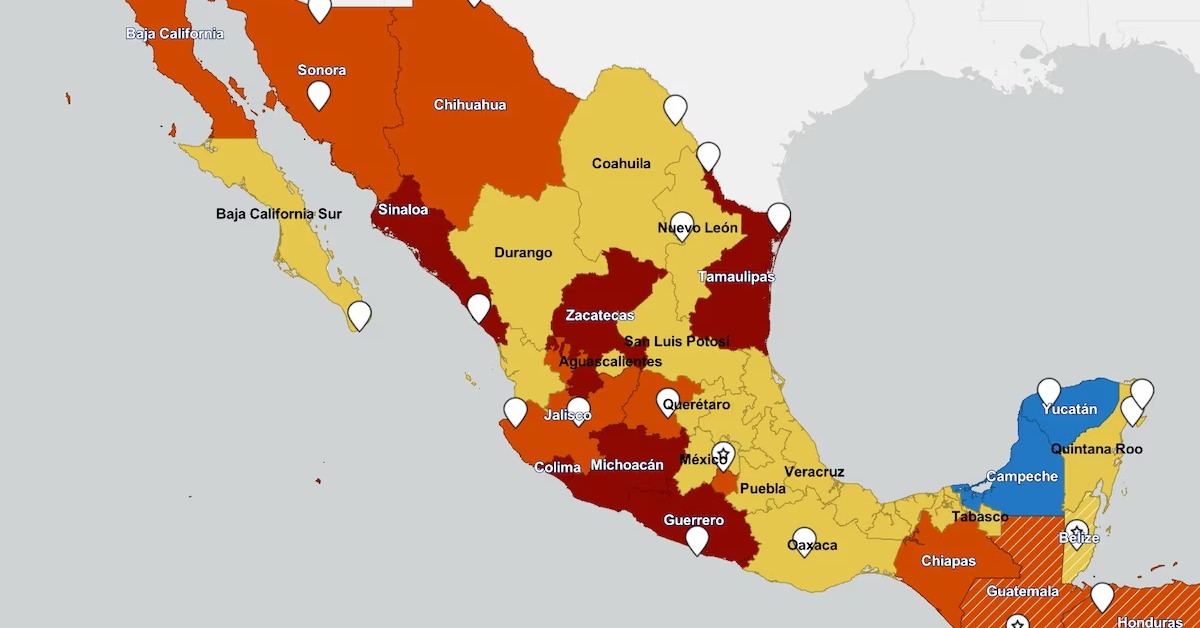
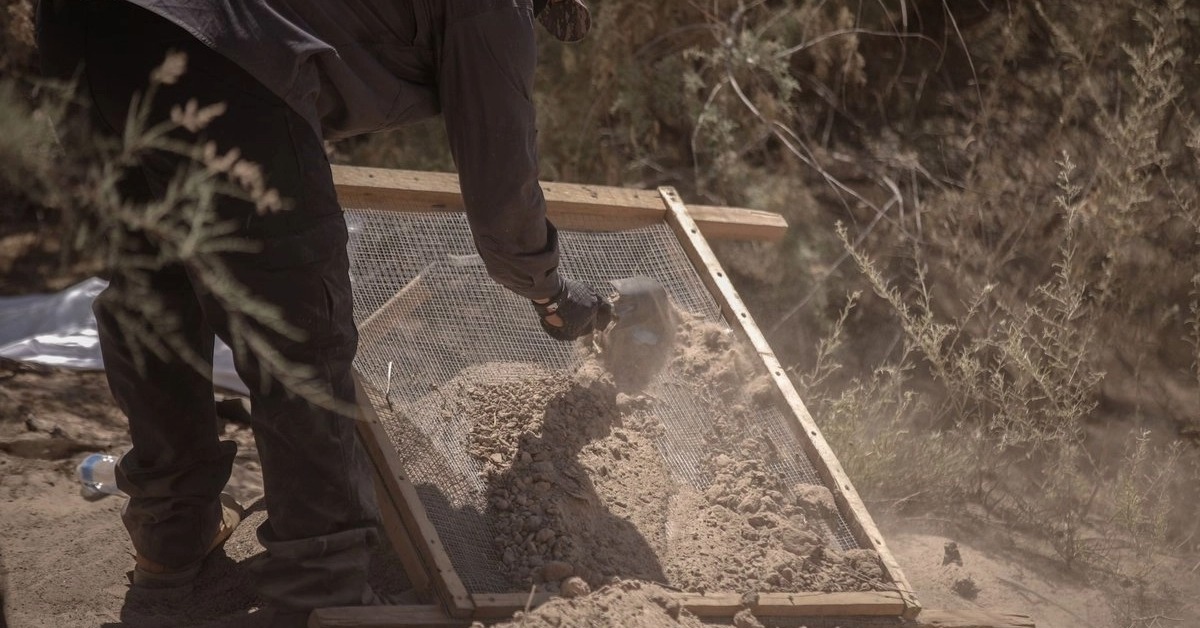
Authorities in Baja California say 30 bodies have been recovered over the past month from clandestine graves in the Mexicali Valley. So far, 17 bodies have been identified. That has given at least some families answers after long uncertainty and waiting. The figure is significant in its own right, but it also points to a deeper problem. Cases like this do not emerge from a single search day or from a single isolated crime scene. They usually reflect repeated fieldwork, forensic review, and the difficult task of matching remains to missing persons reports. That is why the identification number matters as much as the recovery count. Recovering remains is one stage of the process. Confirming who they were is another. For many relatives, identification is the first moment when grief and legal process finally meet. Until that happens, a discovery can bring more questions than closure, even when authorities present it as investigative progress.
Families say the response is still too limited
The strongest public criticism has come from search collectives. They argue that authorities still lack enough personnel, technology, and urgency to respond at the scale required. That complaint carries weight because these groups often do work that families believe the state should be leading more aggressively. In many parts of Mexico, relatives of the missing have become a driving force behind searches, public pressure, and demands for forensic follow-through. The Mexicali Valley case fits that pattern. The dispute is no longer only about how many bodies were found. It is also about whether the institutions responsible for searching, identifying, and investigating are moving fast enough. For families, each delay can mean more time without answers. It can also increase fears that evidence will weaken or cases will stall. When collectives speak openly about shortages, they are not only criticizing the procedure. They are questioning whether the state response matches the seriousness of the discoveries now being reported.
Why this matters beyond Baja California
For readers trying to understand public safety in Mexico, this case offers a clear example. Disappearances are often handled on two tracks at once. One track is official. It involves prosecutors, investigators, and forensic teams. The other is driven by families and citizen groups who push authorities to keep moving. The recovery of 30 bodies in the Mexicali Valley makes that tension visible again. It also shows why body counts, by themselves, never tell the full story. The next phase will matter just as much as the searches already completed. Families will be looking for more identifications, clearer timelines, and signs that investigations are advancing beyond recovery sites. They will also be watching to see whether the criticism over staffing and technology leads to any concrete response. Without that, the case risks becoming another grim update in a country where many families still depend on persistence, not speed, to get answers.