A set of public filings offers a clearer look at the business side of the Tren Maya brand. Behind the stations and new hotel openings, the numbers point to large gaps between ticket and room sales and the cost of running the network. In 2025, those gaps were covered by public transfers and trust funds, even as new marketing plans advanced. The question now is not only how many people ride or stay, but how quickly the system can move toward covering more of its own costs.
Financial statements for Tren Maya SA de CV and the Grupo Mundo Maya hotel business point to the same issue in 2025: costs exceeded sales. The rail operator reported 387.1 million pesos in service income through September. It also recorded 3.58 billion pesos in expenses and other losses for the same period. The hotel group reported a separate loss figure of 2.82 billion pesos for 2025. Taken together, the filings place the combined losses above 6.3 billion pesos. That picture arrives before either project reaches a stable demand level. Both brands form part of a government model that links passenger transport, lodging, and destination marketing in the southeast. They are also tied to the Defense Ministry, which holds key operational roles. In practice, taxes and transfers remain central to day-to-day operations. For residents and expats, the figures help explain why low introductory prices can coexist with large operating gaps. The question is how long that support will last.
Tren Maya revenue versus operating costs
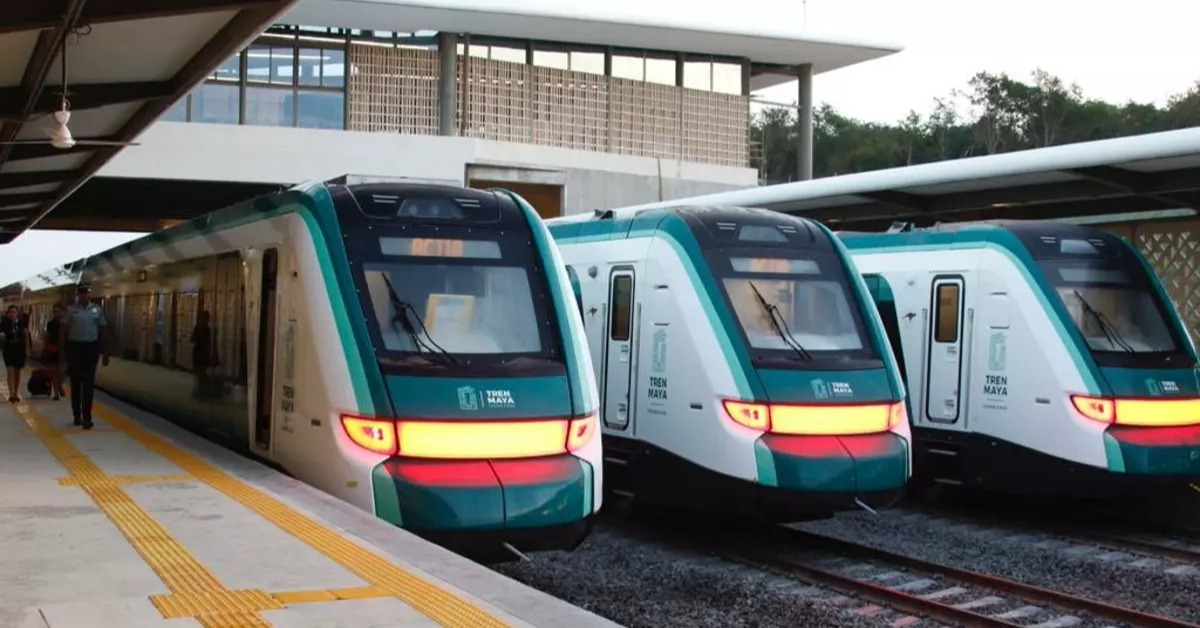
Through September 30, 2025, Tren Maya reported service revenue of 387,076,935 pesos. Passenger transport accounted for 353,602,256 pesos of that total. Tour packages added 16,050,022 pesos, with smaller amounts from rentals and royalties. Over the same period, the company recorded 3,579,087,720 pesos in gastos y otras pérdidas. Servicios generales made up about 2.35 billion pesos of that total. Personnel and supplies added roughly 715.7 million pesos. Depreciation was about 509.1 million pesos. The filings also show how the gap was covered. The company booked 1,176,785,375 pesos in transfers and subsidies. It also recorded 2,168,556,501 pesos as “other income” from a fideicomiso, plus interest earned inside that trust. If only service revenue is counted, it covers about 11% of recorded expenses. That reliance fits an operation still ramping up after passenger service began in December 2023. The notes add a technical point. The reported “ahorro/desahorro” is a budget result, not an operating profit from ticket sales. The notes also state that service revenue is recorded without VAT, which is also reflected elsewhere in cash-flow reporting.
Mundo Maya hotels and the missing performance data
The Grupo Mundo Maya brand encompasses seven hotels aligned with the Tren Maya tourism push. Its financial reporting for 2025 shows a loss of 2,819,703,399 pesos. Public materials do not yet provide a full breakdown by property. A separate report on registered guests for 2025 is expected later in the year. That delay makes it difficult to match the deficit to occupancy, room rates, staffing, or maintenance costs. The operator also manages other tourism assets, including parks and museums, under the same corporate umbrella. That structure can blur how cross-subsidies work between business lines. The hotels are designed to sit close to key archaeological zones and major stations. They aim to bundle transport, lodging, and tours into one product. For travelers, the concept can simplify logistics across Campeche, Yucatán, Quintana Roo, Chiapas, and Tabasco. For taxpayers, the financial results raise a narrower question. Can the hotels achieve cash-flow balance without long-term subsidies, or will they primarily serve as public-service infrastructure for tourism?
Promotion spending continues
Spending on promotion continued alongside the operating gaps. Official records for federal communication, social, and advertising budgets show Tren Maya assigned about 52.38 million pesos in 2025. The same records list about 154.32 million pesos for the corporate group that includes Grupo Mundo Maya. Those figures cover multiple campaigns, including several that use “Mundo Maya” branding. Separate procurement files show that the Defense Ministry approved direct-award contracts totaling 28.186 million pesos for related promotional activities. One contract line item set 16.728 million pesos for tourism fairs. The stated goal is to raise ticket sales in international markets. It also targets sales of branded products tied to the route. The itinerary includes Madrid’s FITUR and Mexico’s Tianguis Turístico. It also lists ITB China in Shanghai, Top Resa in Paris, and World Travel Market in London. The annexes instruct suppliers to use updated images. They also discourage material showing construction work or poor presentation. Even small marketing budgets draw attention when operating gaps are measured in billions of pesos.
What to watch as a traveler or resident
For people living in Mexico, the practical question is service quality and reliability. A rail system that depends on subsidies can still deliver value, but it requires continued budget support. If annual transfers tighten, operators may face pressure to raise fares, cut frequencies, or defer maintenance. The same logic applies to the Mundo Maya hotels, where staffing and upkeep shape the guest experience. The filings also point to a major revenue test ahead: cargo service. The rail company has described freight as a future line of business. If freight launches on schedule, it could shift the revenue mix away from pure tourism. Travelers can also watch for clearer public reporting. Occupancy figures, average room rates, and per-passenger operating costs would help explain the deficits. Quarterly statements will show whether service income rises faster than expenses. Until then, the projects read less like self-funding businesses and more like public infrastructure with a tourism label.