
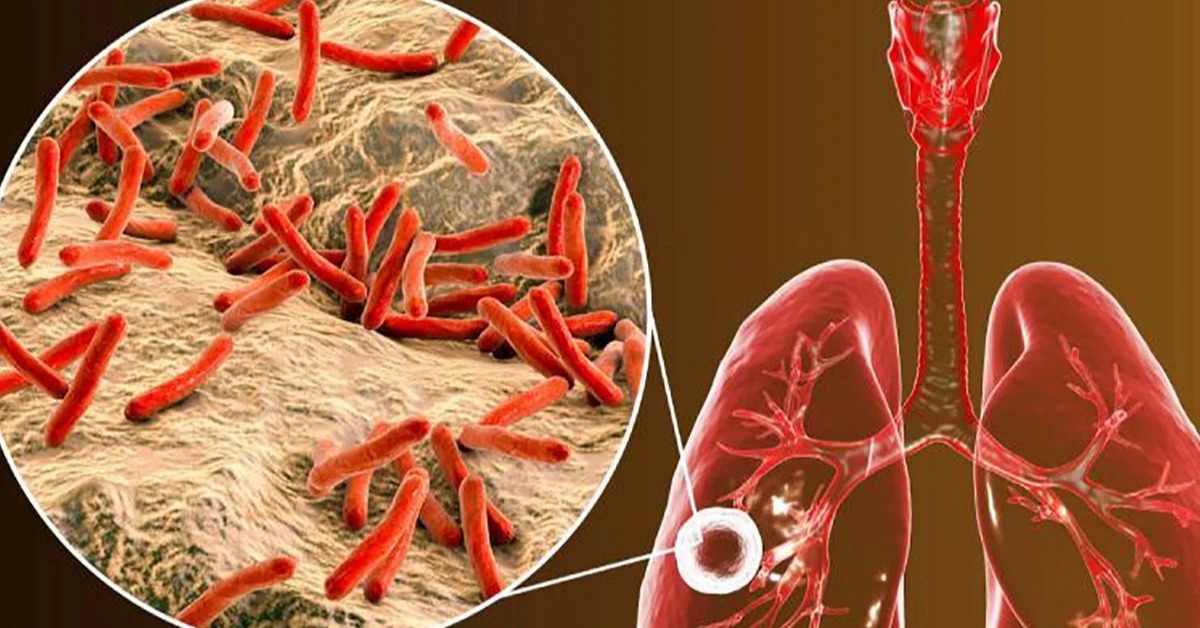
A state tally of 37 respiratory tuberculosis cases does not mean a crisis in Los Cabos, but it does put an old disease back on the public-health agenda. The figure is higher than the same period last year, and state health authorities have previously said confirmed positives were concentrated mainly in Los Cabos and La Paz. Here is what the new number actually measures: how tuberculosis spreads, the symptoms that should not be ignored, and why this remains a live issue in Baja California Sur.
A higher early-year count
Baja California Sur has recorded 37 cases of respiratory tuberculosis through March 7, according to the latest national epidemiological bulletin. That is higher than the 26 cases reported in the same period of 2025. The update comes on World Tuberculosis Day, observed each March 24. Separate categories in the same reporting also noted six cases of other forms of tuberculosis. It also recorded one case of tuberculous meningitis.
The figure is statewide, not a count for Los Cabos alone. It also does not, by itself, prove a local surge in one municipality. Still, the increase matters. Respiratory tuberculosis can spread from person to person. A higher early-year count tells public-health officials the disease remains active enough to warrant close monitoring.
Why Los Cabos readers should pay attention
State authorities had not yet published a municipality-by-municipality breakdown of the 2026 total. But Los Cabos is not outside this story. In a state health update released last year, officials said they carried out 800 laboratory tests in 2024. They also said most confirmed positives were in Los Cabos and La Paz. That does not prove the same pattern in 2026. It does show why readers in the southern part of the state should not treat this as a distant problem.
For residents, retirees, workers, and frequent visitors, the main point is practical. Tuberculosis is not spread through casual contact as many people assume. It spreads through the air when a person with active TB in the lungs or throat coughs, speaks, or sings. The risk is higher in enclosed spaces with poor ventilation. Repeated close contact also matters. Brief outdoor encounters are much less concerning.
What tuberculosis is and what symptoms matter
Tuberculosis is caused by the bacterium Mycobacterium tuberculosis. It usually affects the lungs, but it can also affect other parts of the body. That distinction matters because not every person infected with TB is contagious. People with inactive or latent TB do not feel sick and cannot spread the disease. People with active TB disease can become seriously ill. They may infect others if left untreated. It is not spread by handshakes, shared food, or toilet seats.
State and international health guidance point to a similar group of warning signs. A cough that lasts more than two weeks should not be brushed aside. Neither should chest pain, coughing up blood or phlegm, fever, night sweats, unusual fatigue, or unexplained weight loss. Health officials in Baja California Sur also urge faster evaluation for people with diabetes, HIV, other conditions that weaken the immune system, poor nutrition, or substance-use problems.
Treatment works, but it takes time
This is one reason the story deserves attention without causing panic. Tuberculosis is curable. Treatment usually requires several antibiotics taken daily for four to six months. Global health guidance warns against stopping early. That can help create drug-resistant forms of the disease. Mexican health authorities say treatment is available free of charge through public health units.
Early diagnosis also protects other people. The sooner someone is tested and starts treatment, the lower the chance of continued spread. That is why public-health teams focus so heavily on persistent cough, follow-up care, and contact tracing. A small number on a bulletin can still matter. Each untreated case may expose relatives, co-workers, or other close contacts over time.
Why an old disease still matters
The broader regional picture helps explain why this is still news in 2026. The Pan American Health Organization estimates that 350,000 people fell ill with tuberculosis in the Americas in 2024. It also estimates that about 77,000 were not diagnosed. The disease remains closely tied to poverty, overcrowding, malnutrition, and delayed access to care. TB persists not because it is mysterious, but because health systems still miss people or reach them too late.
For Los Cabos readers, the useful response is awareness, not alarm. The current count is a reminder that tuberculosis has not disappeared from Baja California Sur. Anyone with a cough that lingers should seek medical evaluation. That is even more important if fever, weight loss, or night sweats are also present. In a fast-growing state, that kind of early action remains one of the simplest ways to keep an old disease from moving quietly through households and workplaces.