Two names are back on Washington’s priority list. The reward for information is now $5 million each. United States prosecutors say the targets helped run a Sinaloa Cartel corridor tied to Tijuana. A newly unsealed indictment adds narcoterrorism-related counts to an older case. What happens next will likely play out in court filings and cross-border enforcement. For people living or traveling in Baja California, the announcement is a signal. It points to where investigators expect new leads, and where pressure may rise.
What the United States announced
United States authorities announced reward offers of up to $5 million each. The money is for information leading to an arrest or conviction. The targets are two brothers accused of running Sinaloa Cartel operations in Tijuana. Prosecutors tied the rewards to a federal case in the Southern District of California. They say the men helped keep a cross-border drug pipeline running. Officials highlighted the Tijuana plaza, a corridor linking Baja California to major ports of entry. The reward offers were issued through a State Department narcotics program. They were announced alongside investigators from the DEA and FBI. Officials said both men are still at large. The move also brings attention back to a case that began more than a decade ago. For people living in Mexico, timing often matters more than rhetoric. Higher rewards can mean investigators think targets remain reachable. They can also suggest that authorities believe useful tips may be circulating locally. For border communities, that usually translates into sustained investigative pressure near the corridor.
Who the targets are
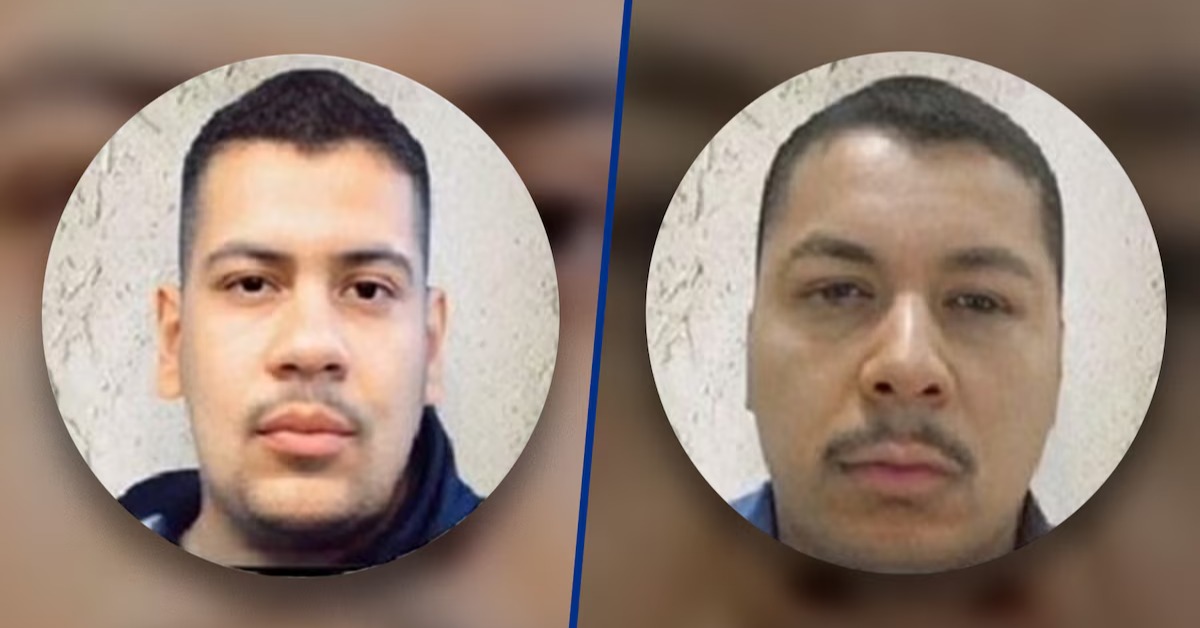
The targets are René Arzate-García, 42, known as La Rana, and his brother Alfonso Arzate-García, 52, known as Aquiles. United States prosecutors describe René as a Baja California–based plaza boss. They say he managed trafficking in Tijuana and nearby municipalities. They also say Alfonso worked with him to keep the corridor operating. Investigators link the brothers to the La Mayiza faction within the cartel. In filings, authorities allege the pair held long-term control over the Tijuana plaza. They describe violence, alliances, and corruption used to protect shipments and revenue. The brothers were first indicted in 2014. Officials say they have remained fugitives since then. That long gap is part of the story. It suggests that investigators believe the network that hid them is changing. It also explains why rewards are aimed at people with local access. For residents in Baja California, the focus is not abstract. It centers on a dense urban route that touches both countries every day.
What the updated case alleges
A superseding indictment unsealed on February 26, 2026, expands the case against René. It adds narcoterrorism and material support of terrorism allegations. It also includes major drug-trafficking and financial crimes. Prosecutors cite a continuing criminal enterprise, money laundering, and an international distribution conspiracy. They allege trafficking of fentanyl, cocaine, methamphetamine, and marijuana into the United States. They also allege drug proceeds were moved through transactions meant to hide ownership. The new filing updates a case that started with 2014 marijuana-import allegations. The change matters because it broadens the theory of how the operation worked. It also raises the potential consequences if prosecutors prove their claims. In practical terms, it signals a national-security framing for cartel cases. That framing can expand investigative tools and interagency coordination. It can also affect how quickly resources are assigned. In official statements, authorities referred to the Sinaloa Cartel as a foreign terrorist organization. That language shapes how conduct is described in court and in public messaging.
Why it matters in Baja California
In Baja California, announcements like this can have mixed effects. They can increase scrutiny on routes, intermediaries, and cash movement tied to Tijuana. They can also pressure local actors accused of helping fugitives stay hidden. Pressure can shift violence patterns, even when targets remain unseen. None of that guarantees immediate changes in daily life. Rewards are incentives, not verdicts. Still, they show the case is active, and investigators want new leads. For expats who live near the border, the takeaway is practical. Expect more enforcement messaging and more attention on crossing chokepoints. You may also see bursts of rumors on social platforms. Treat those claims cautiously until they are verified. If you travel through Tijuana, plan for possible short-term delays. If you work in cross-border trade, watch for compliance and banking scrutiny. The next real signals will be court filings, arrests, or sanctions. Those steps typically come with dates and documents, not street-level announcements.